
Jon and Amy: On our way to Rwanda – It’s fair to say that we were excited for our trip to Rwanda. After saying goodbye to our dog, Riggs, we made our way to Denver International Airport for the first leg of our trip. We took advantage of our Capital One lounge access and relaxed before boarding. Our first leg brought us to Minneaolis for a short stay before we endured the overnight flight to Schipol Airport outside of Amsterdam.
Both of us have flown through Schipol before, but this would be our first stay in the Netherlands. We book-ended our trip to Rwanda with a layover in Leiden having one day on the front end and two on the back. We selected the city due to its proximity to the airport and Amsterdam. Charming features and the lower cost of lodging were also factors.
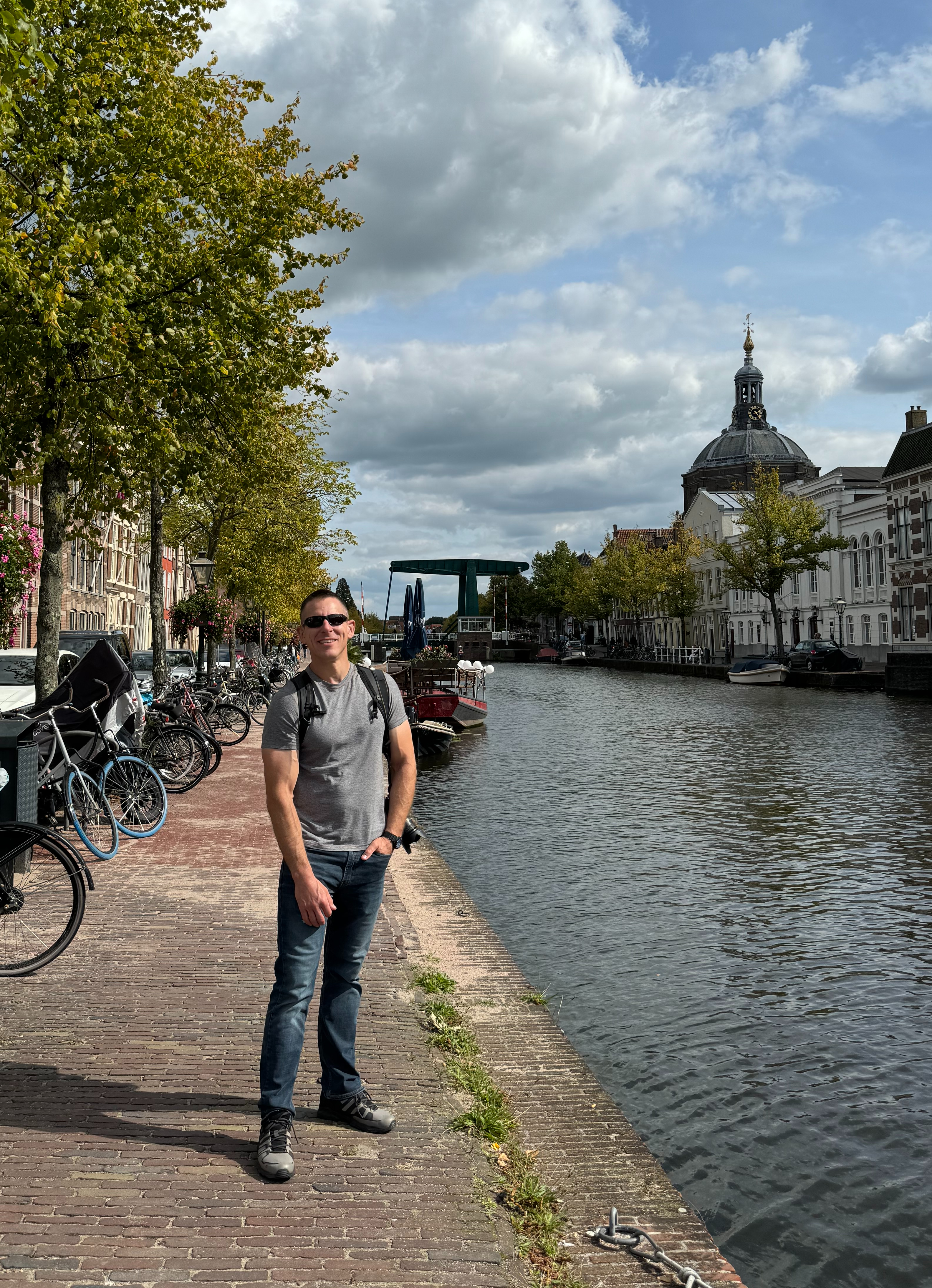
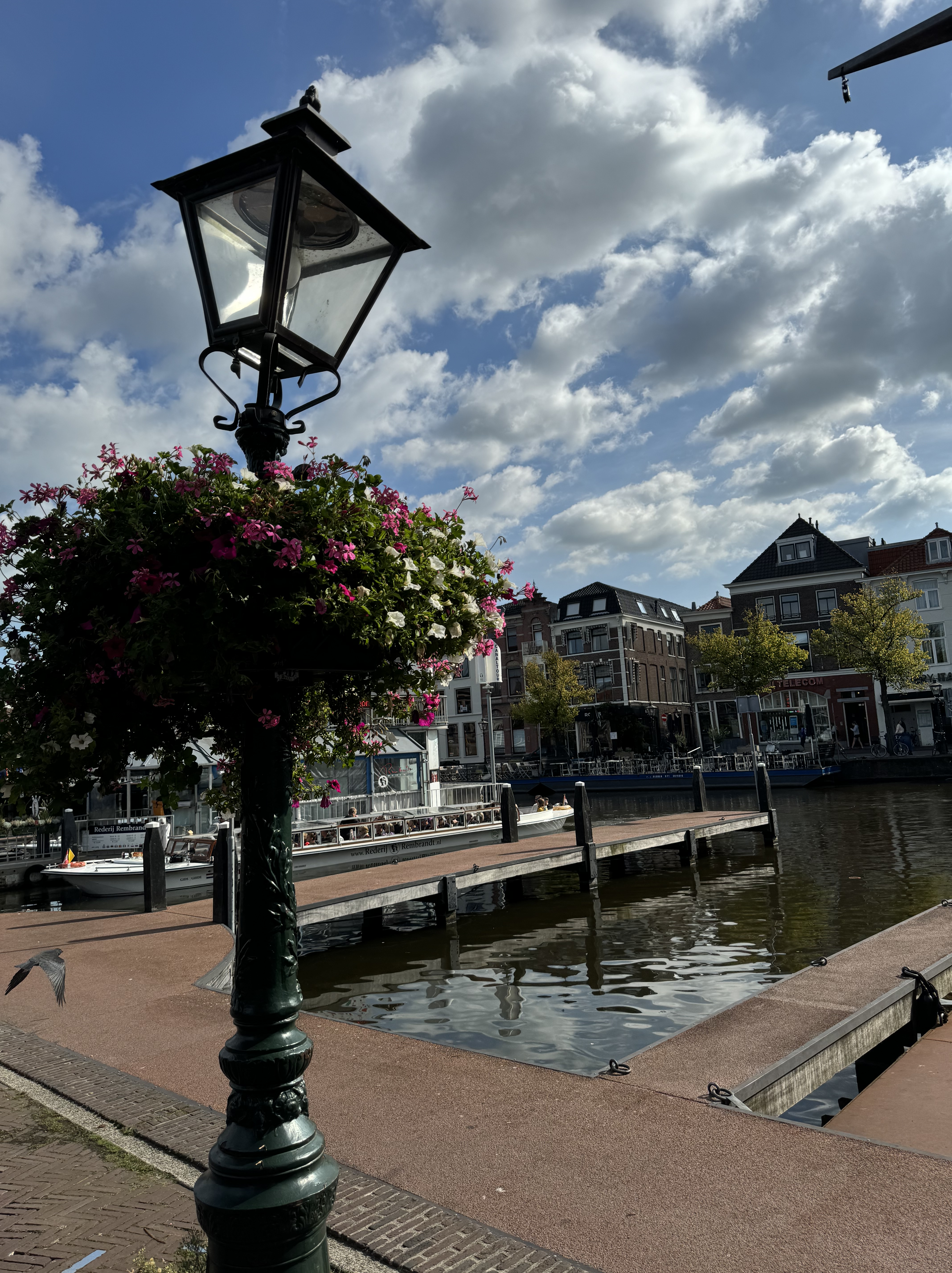
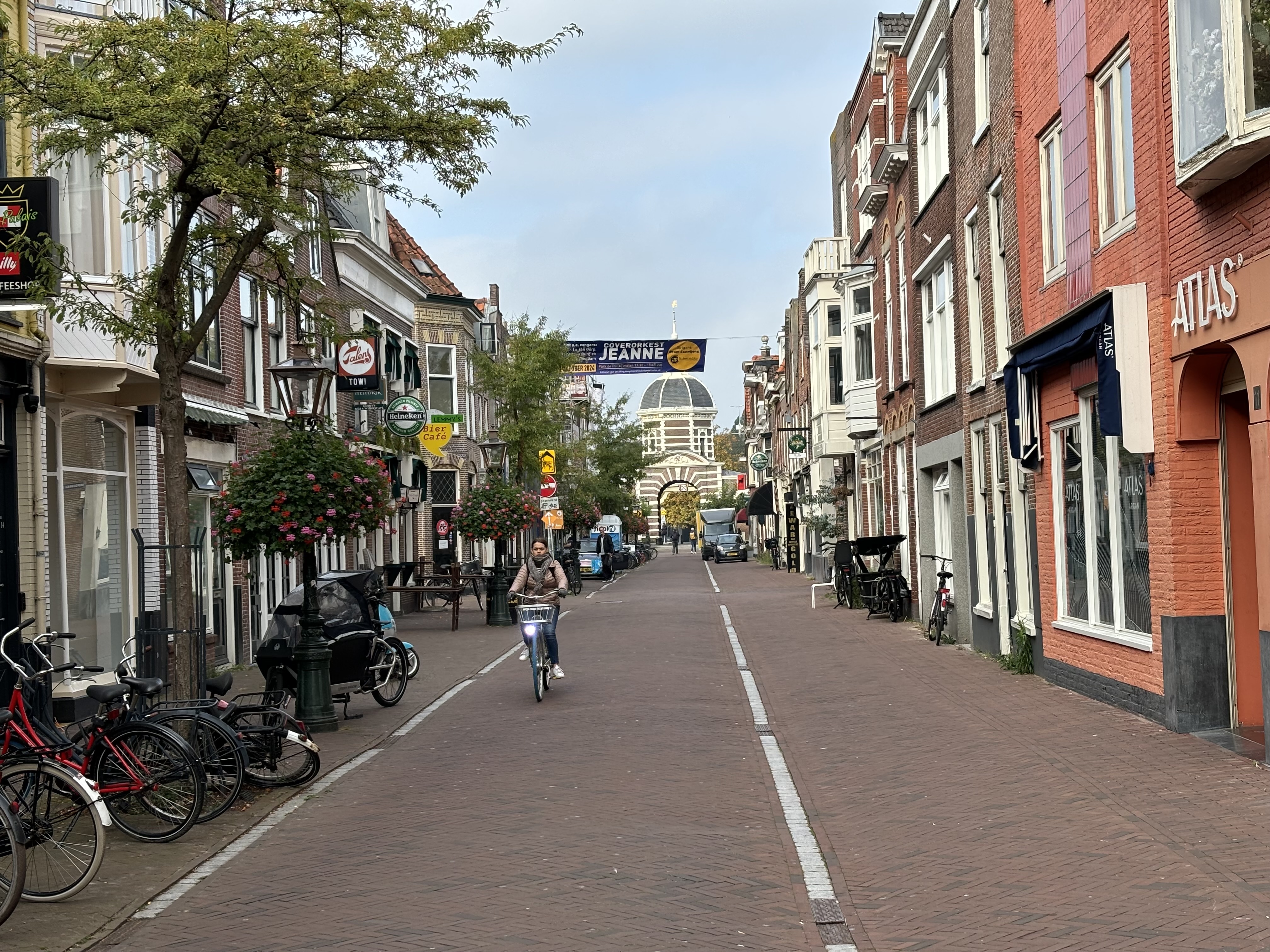
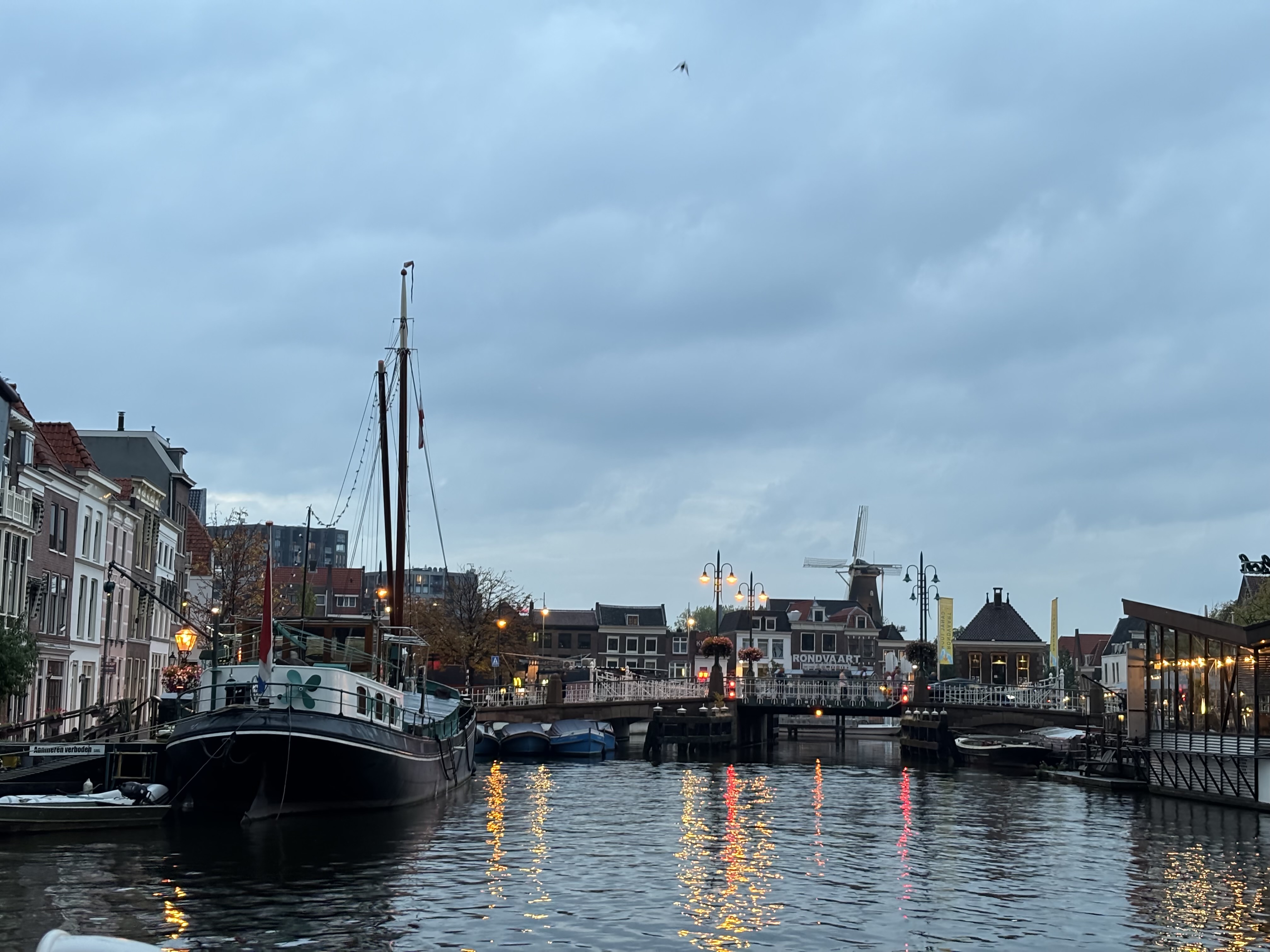
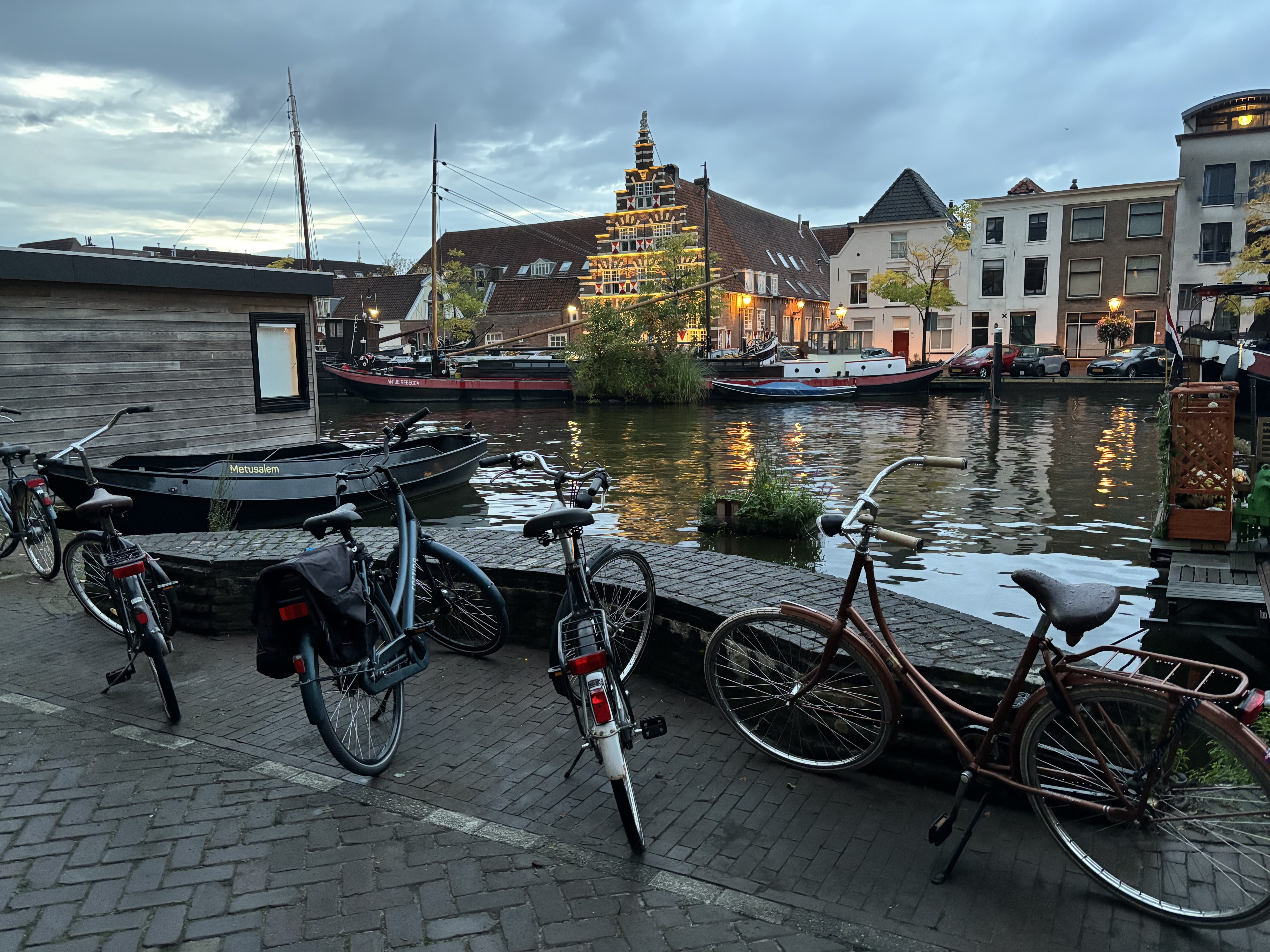
We spent the first day in a bit of a travel induced daze. After finding the B&B Hart Van Leiden for a luggage drop, we made our way to a coffee shop on the Beestenmarkt square, where cattle markets used to occur, along the Oude Vest canal for a much needed latte. Our drinks were accompanied by stroopwafels, waffled cookies sandwiching syrup. Our coffee stop turned into lunch as we watched people board canal boats for tours and cruise by on bicycles. After caffeinating and summoning some energy to explore, we struck out on the town.

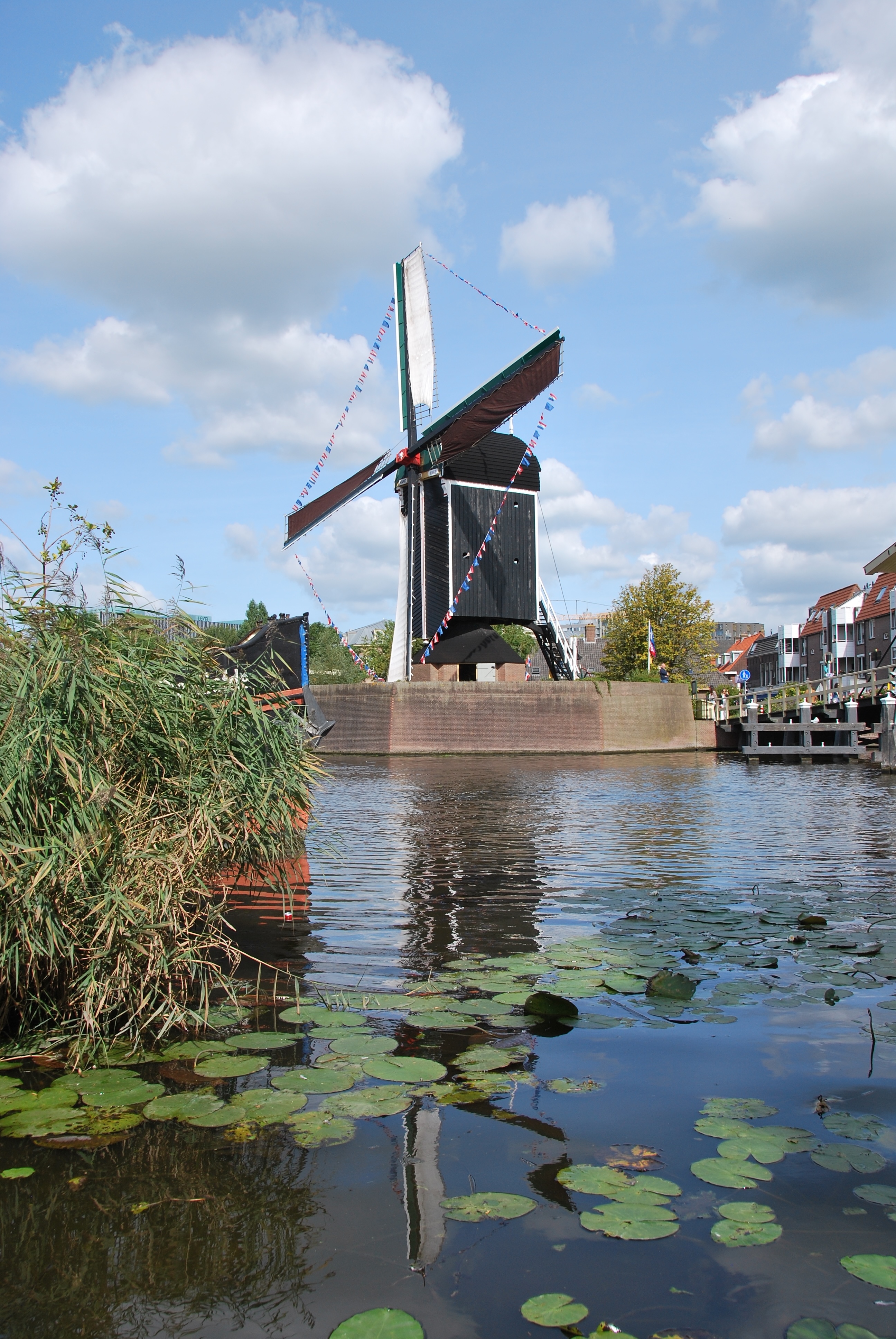
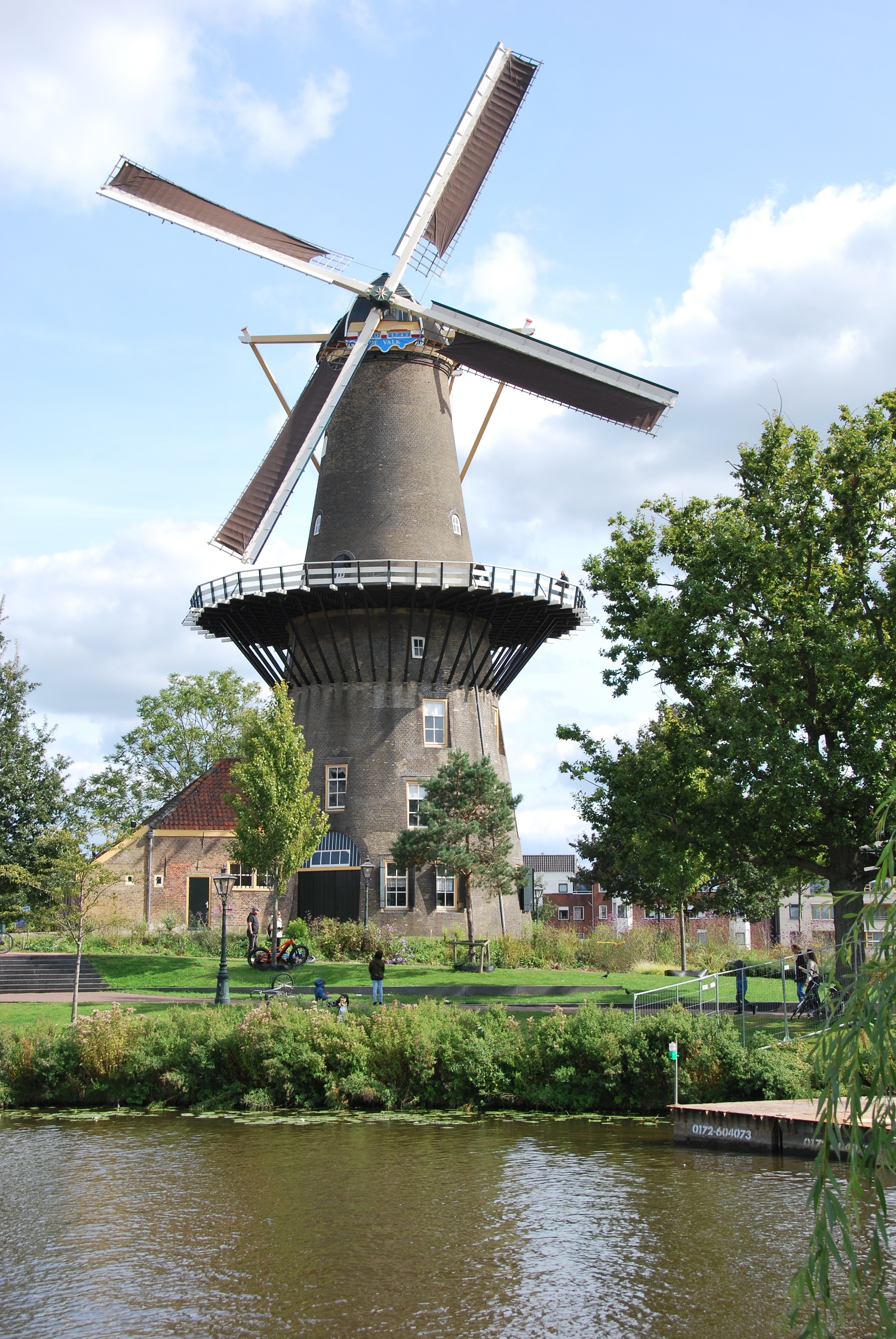
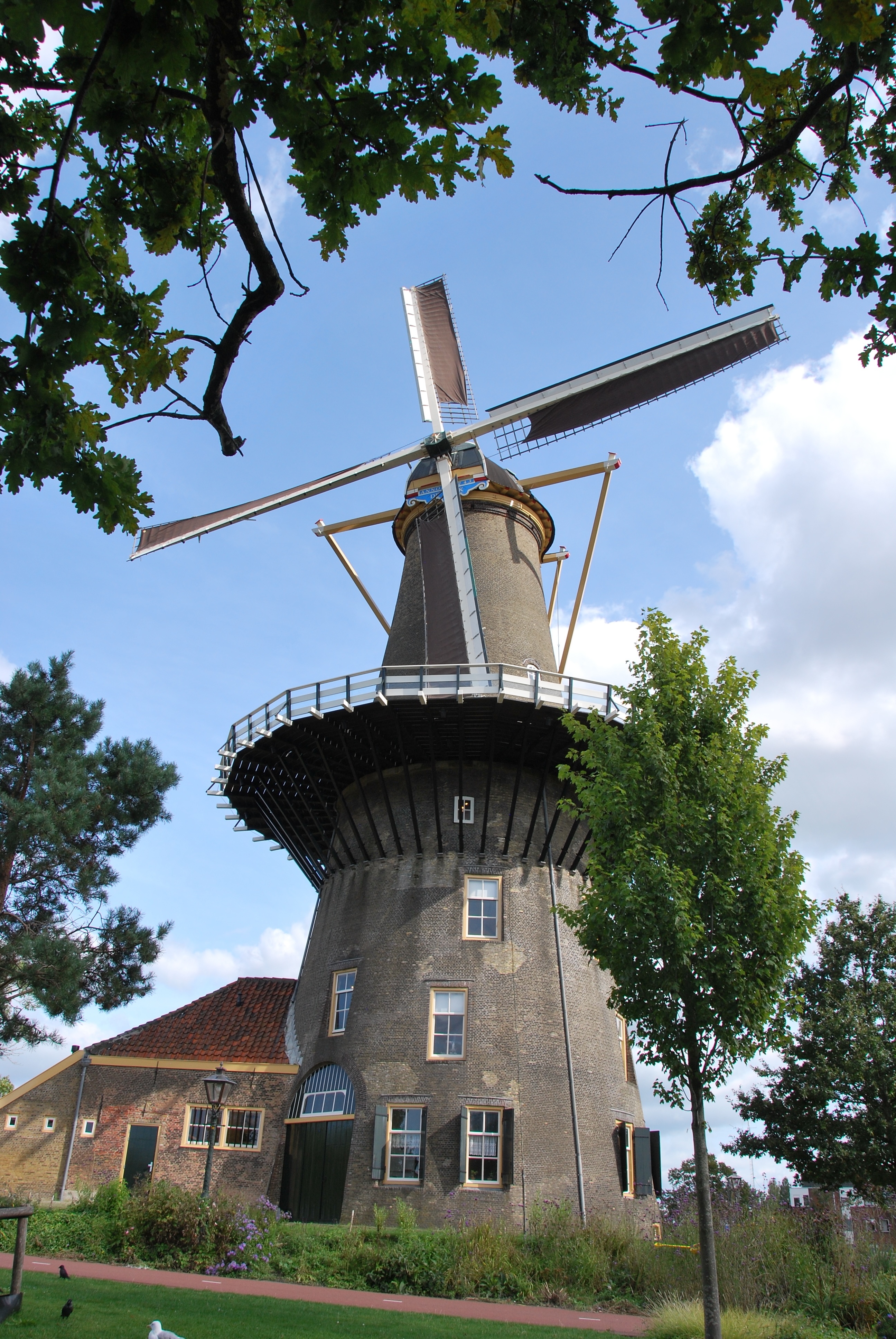
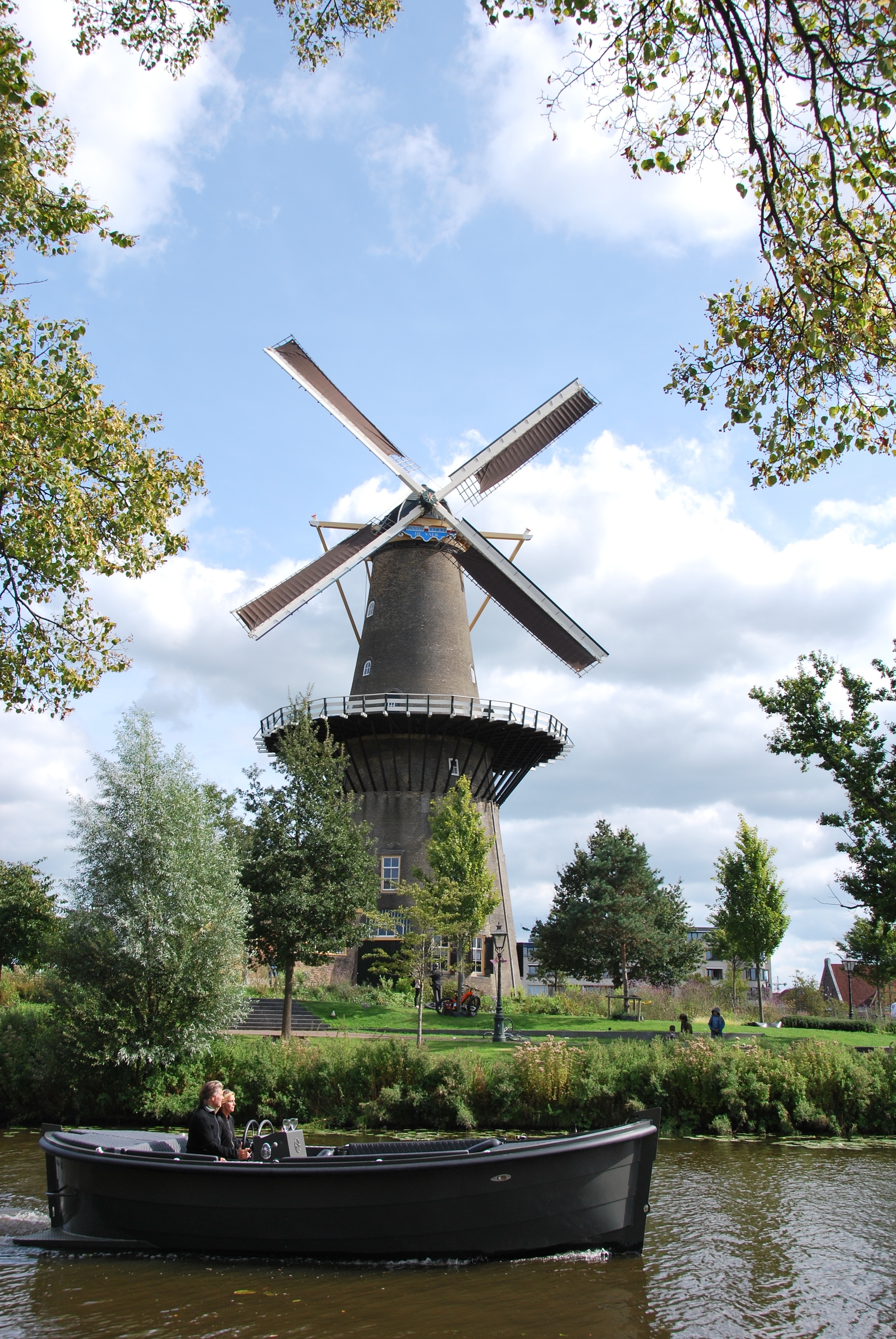
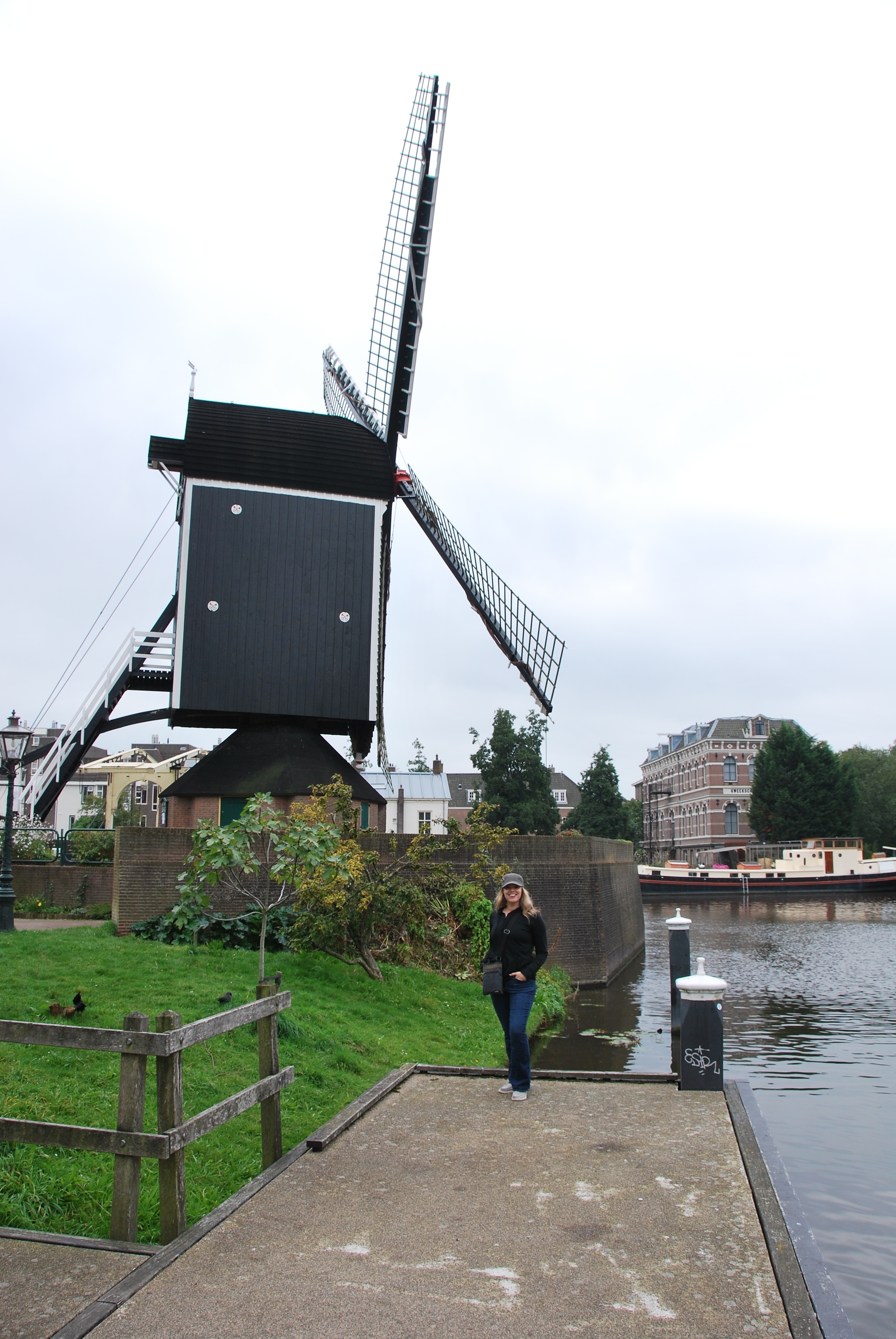
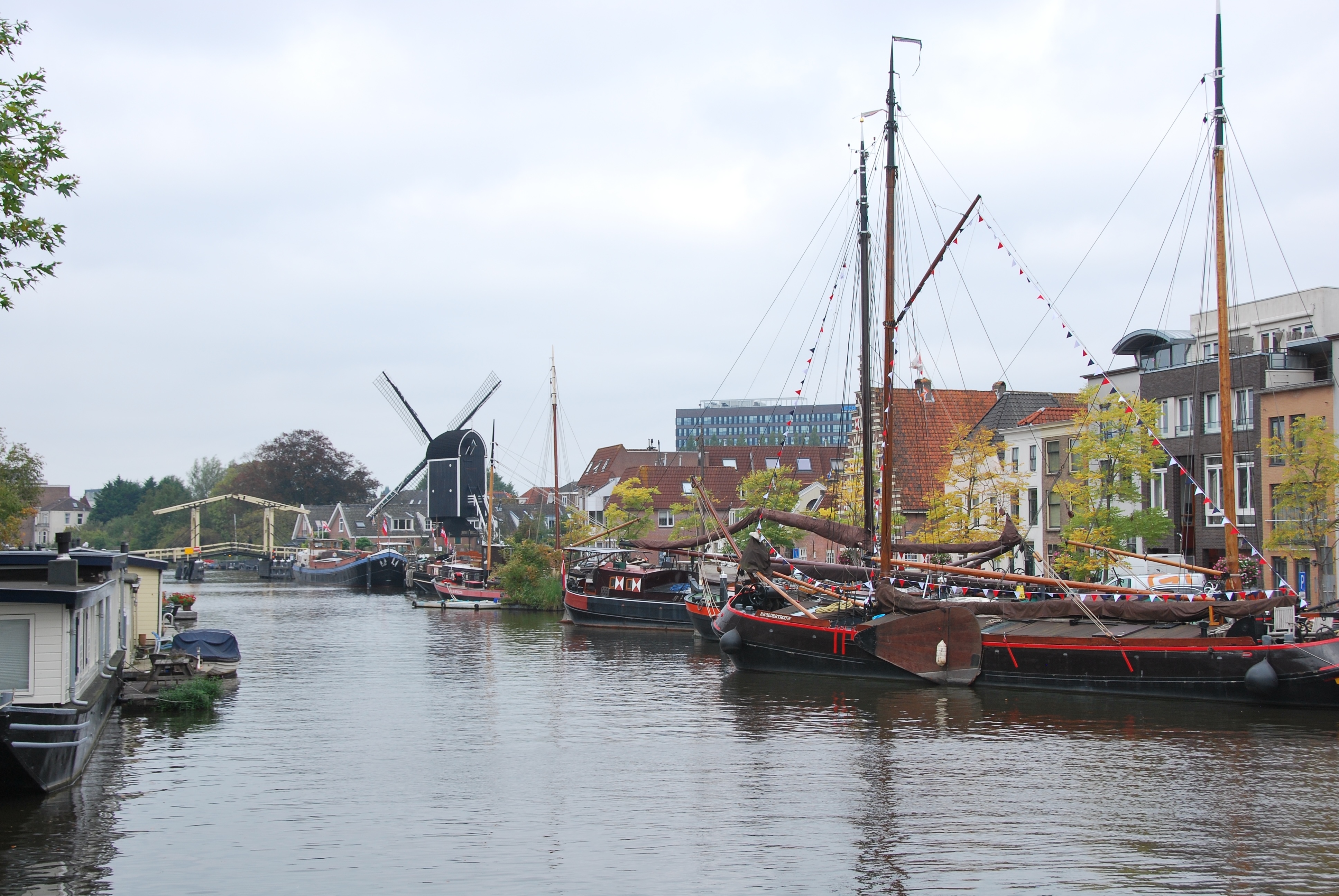
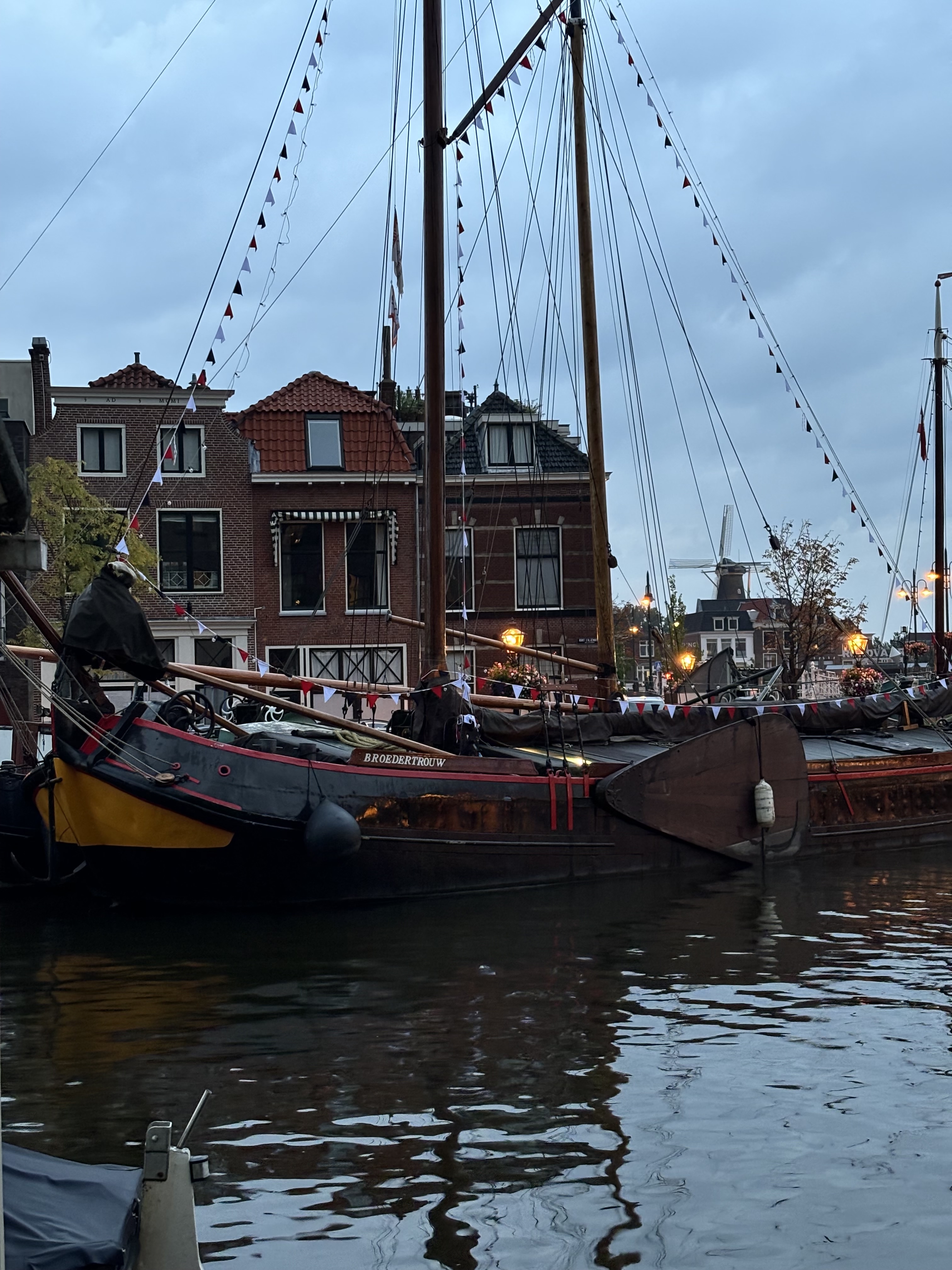
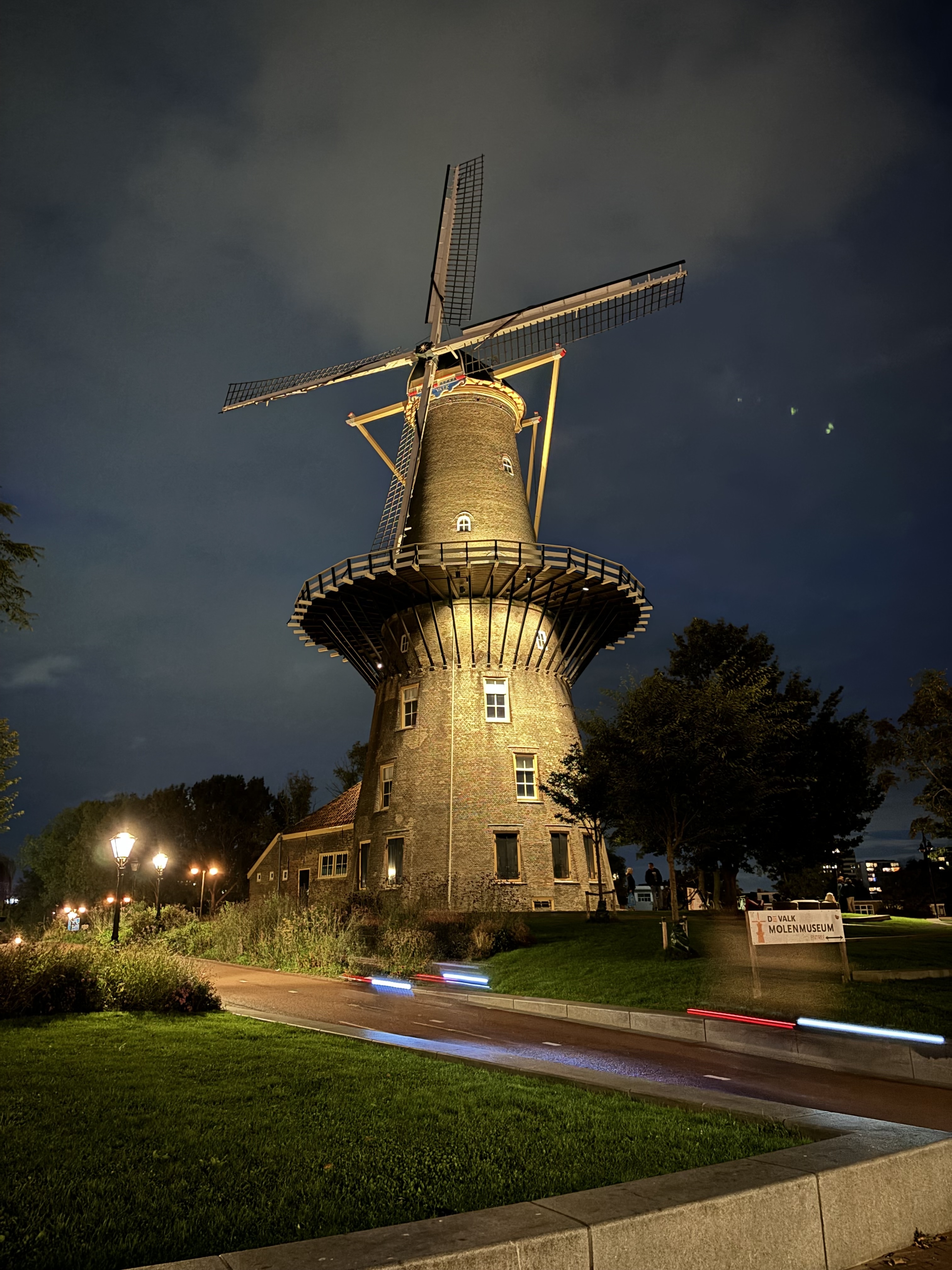
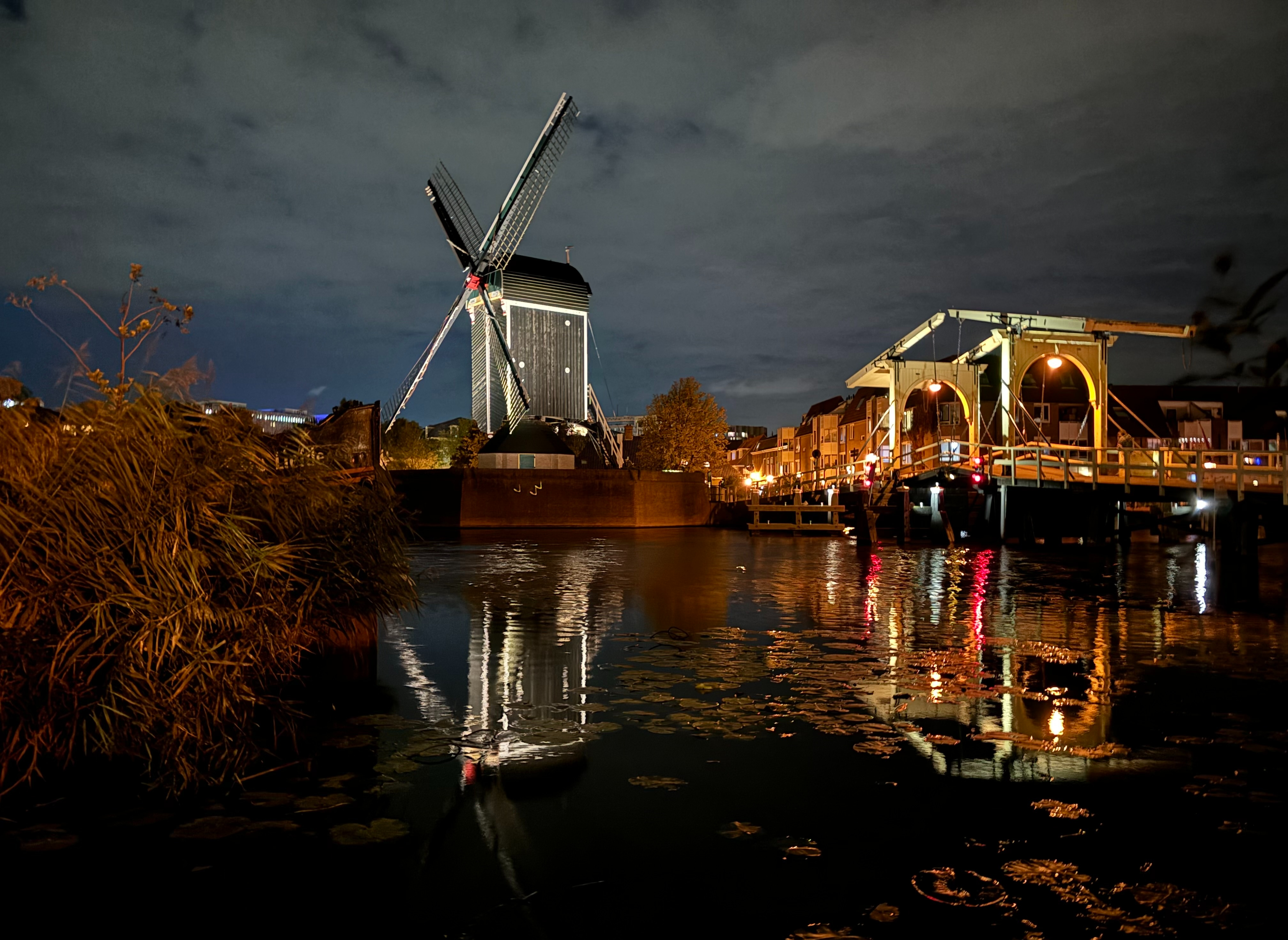
Our exploration took us to the Molen De Valk, or “the Falcon”, windmill and the Molen De Put windmill which was once operated by Rembrandt’s father. Both were impressive. The Molen De Valk stands proudly as one of the tallest windmills in the Netherlands. It was built in 1743 as a flour mill. We could see it walking from the train station to our B&B in the morning and stopped to grab a few pictures of a swan swimming toward it in what seemed to be a quintessential Netherlands moment. The Molen De Put is also a flour mill and was built in 1619. It is located near the city center which lies a short distance from one of 88 canal bridges in the city.
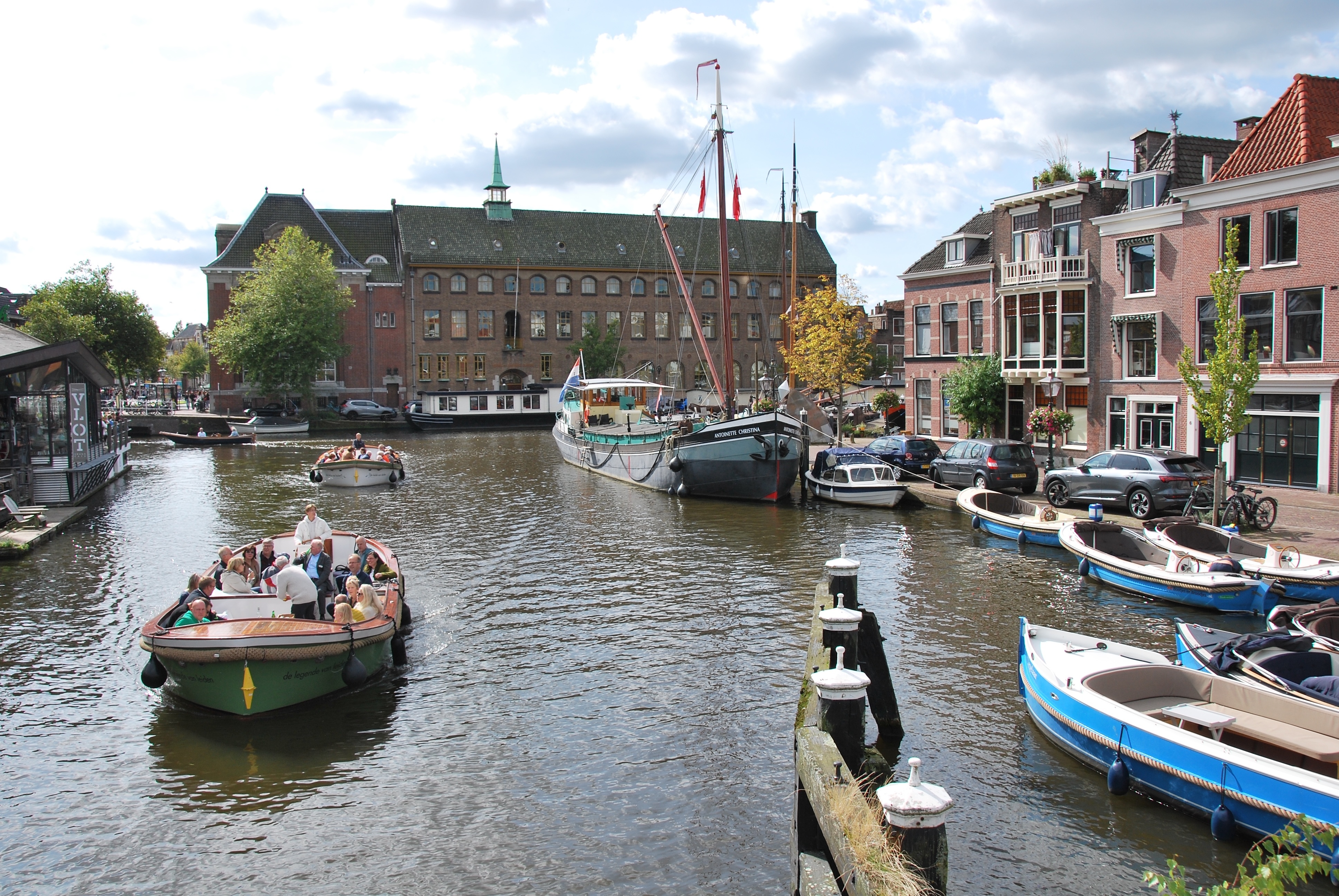
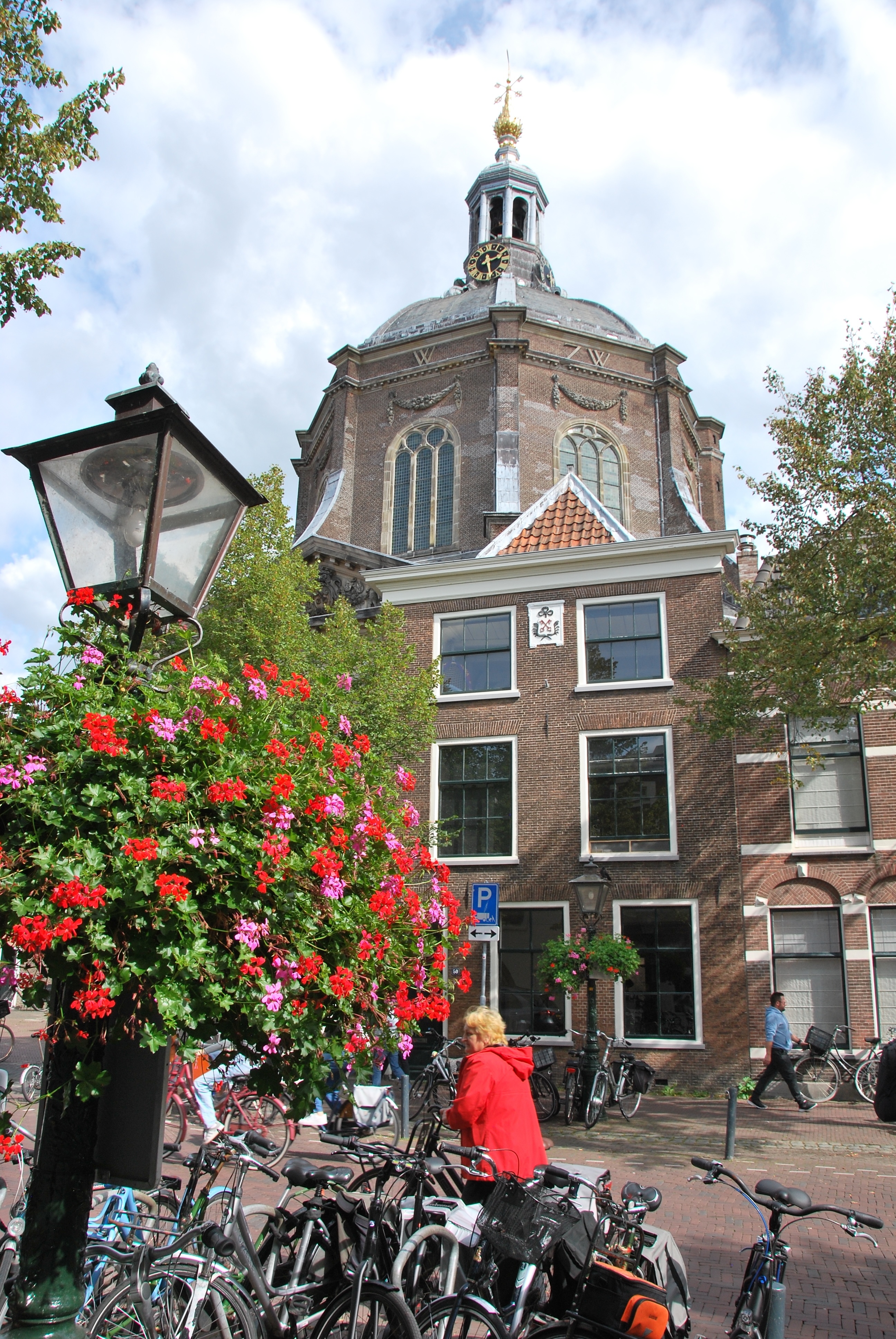
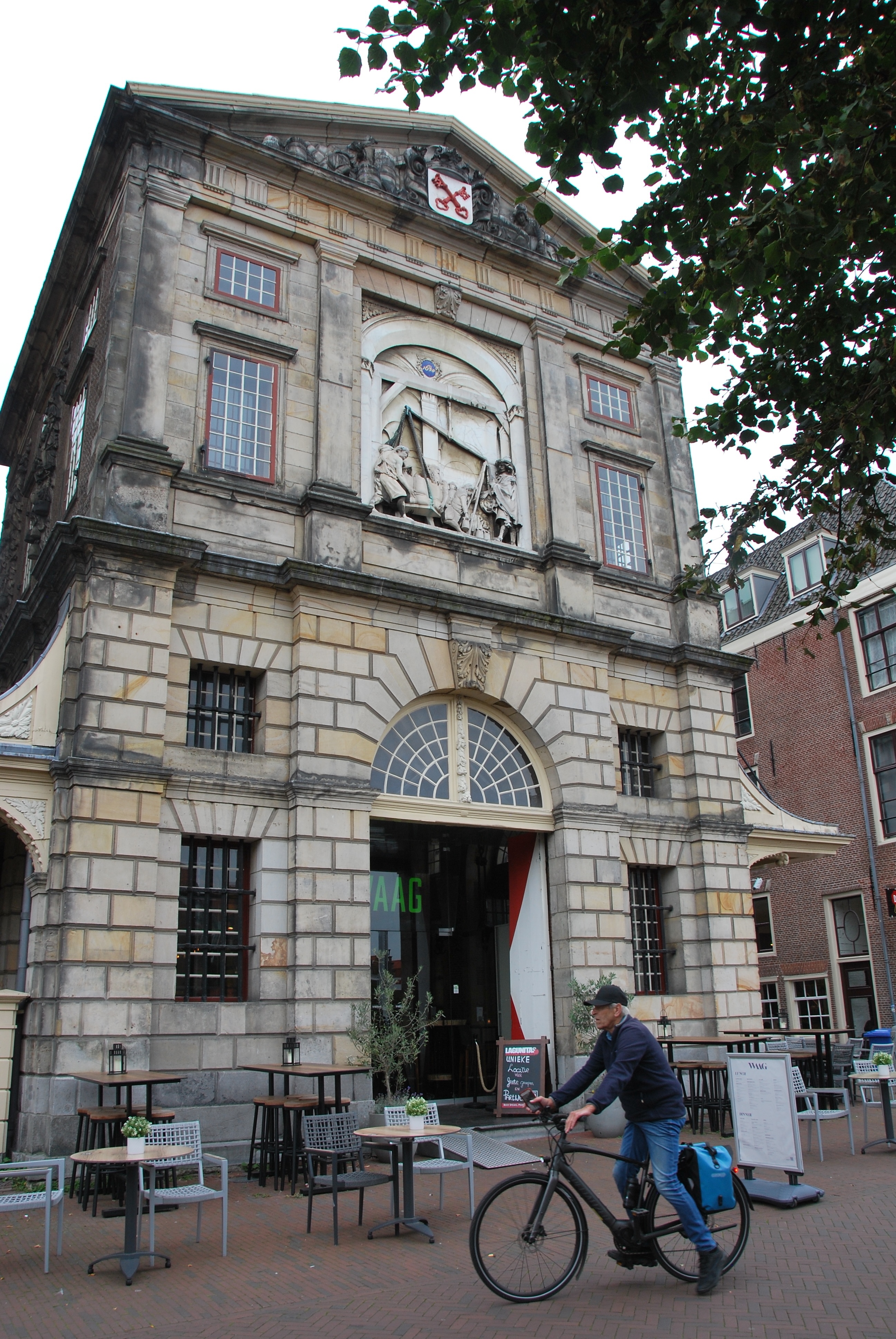
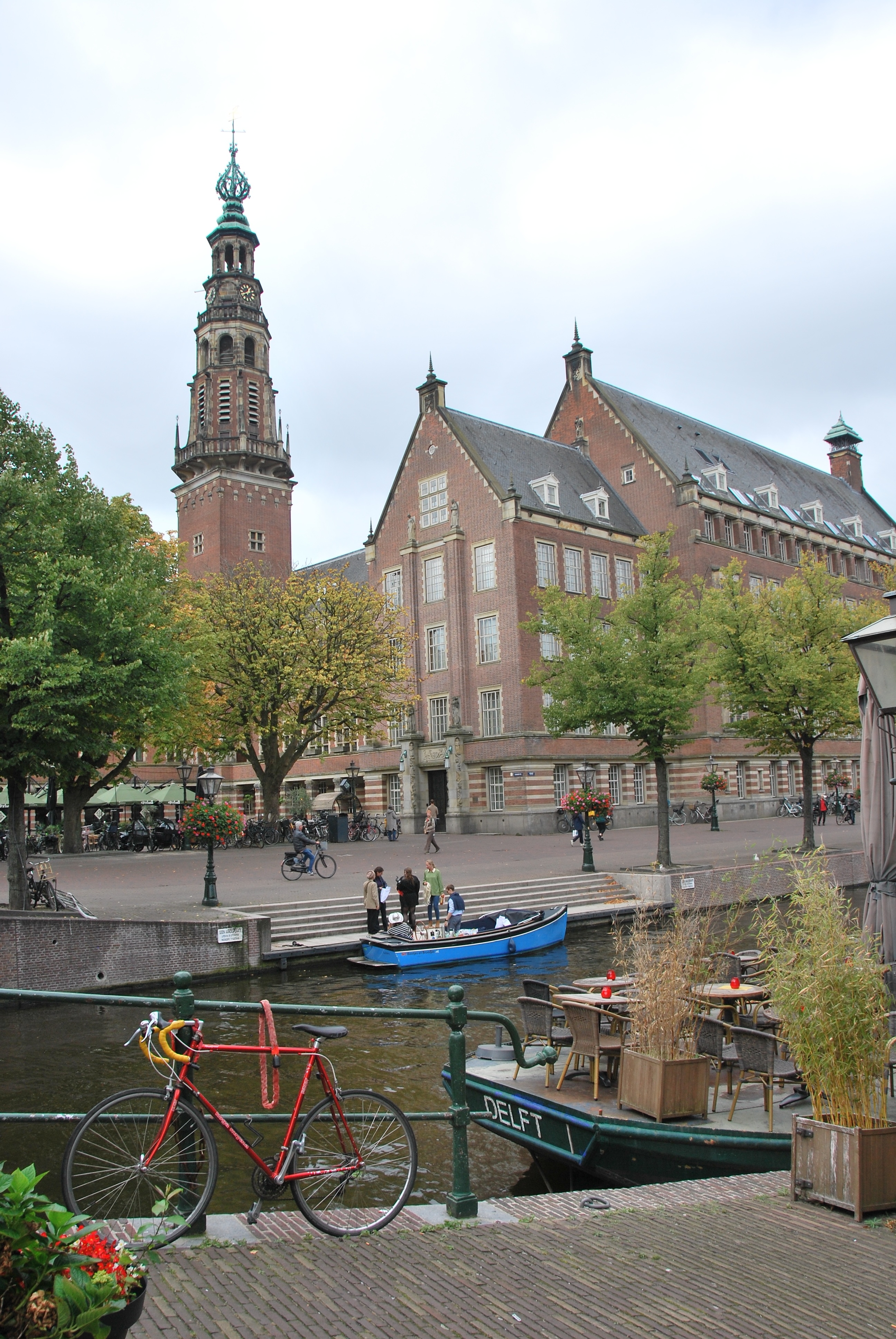
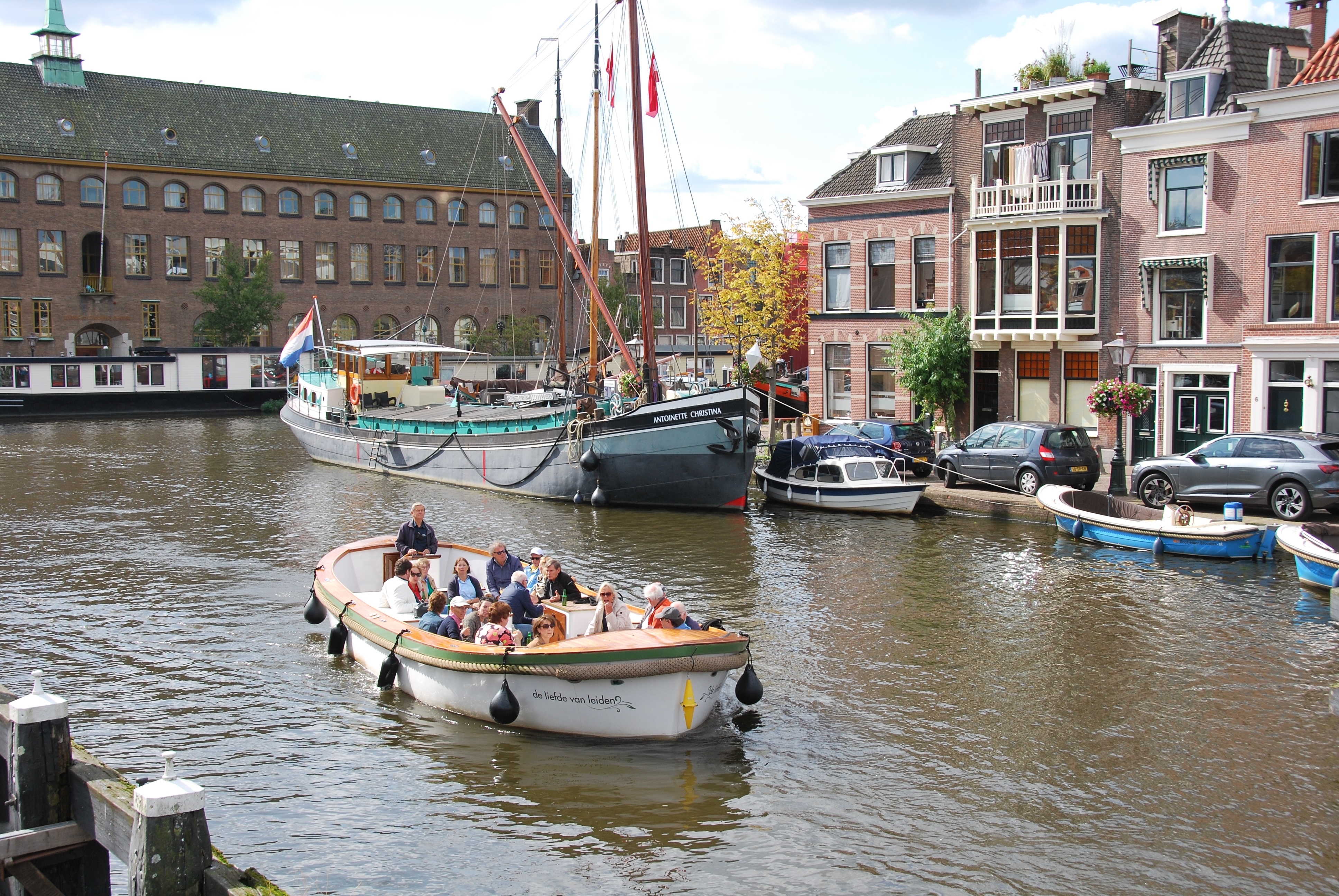
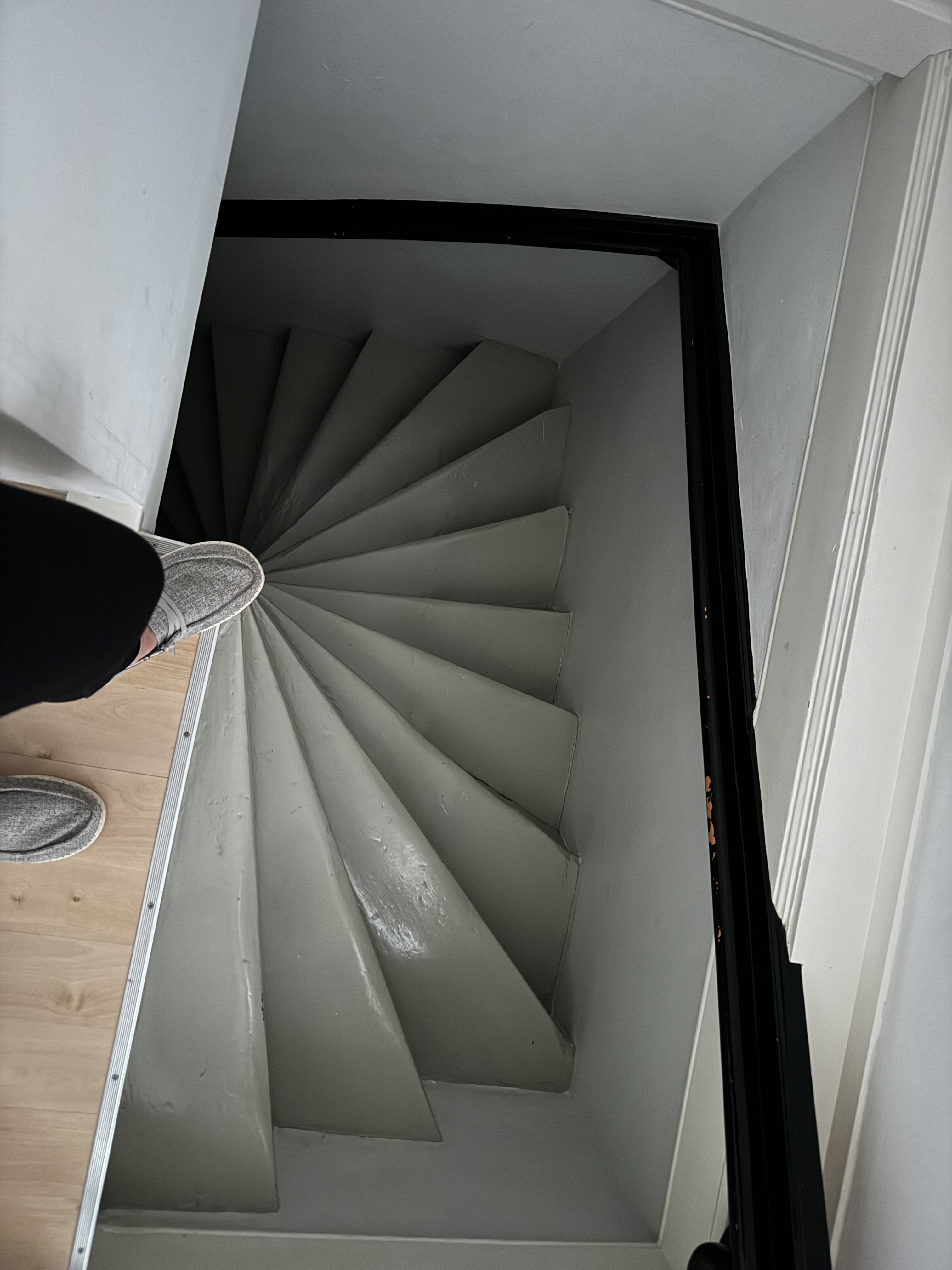
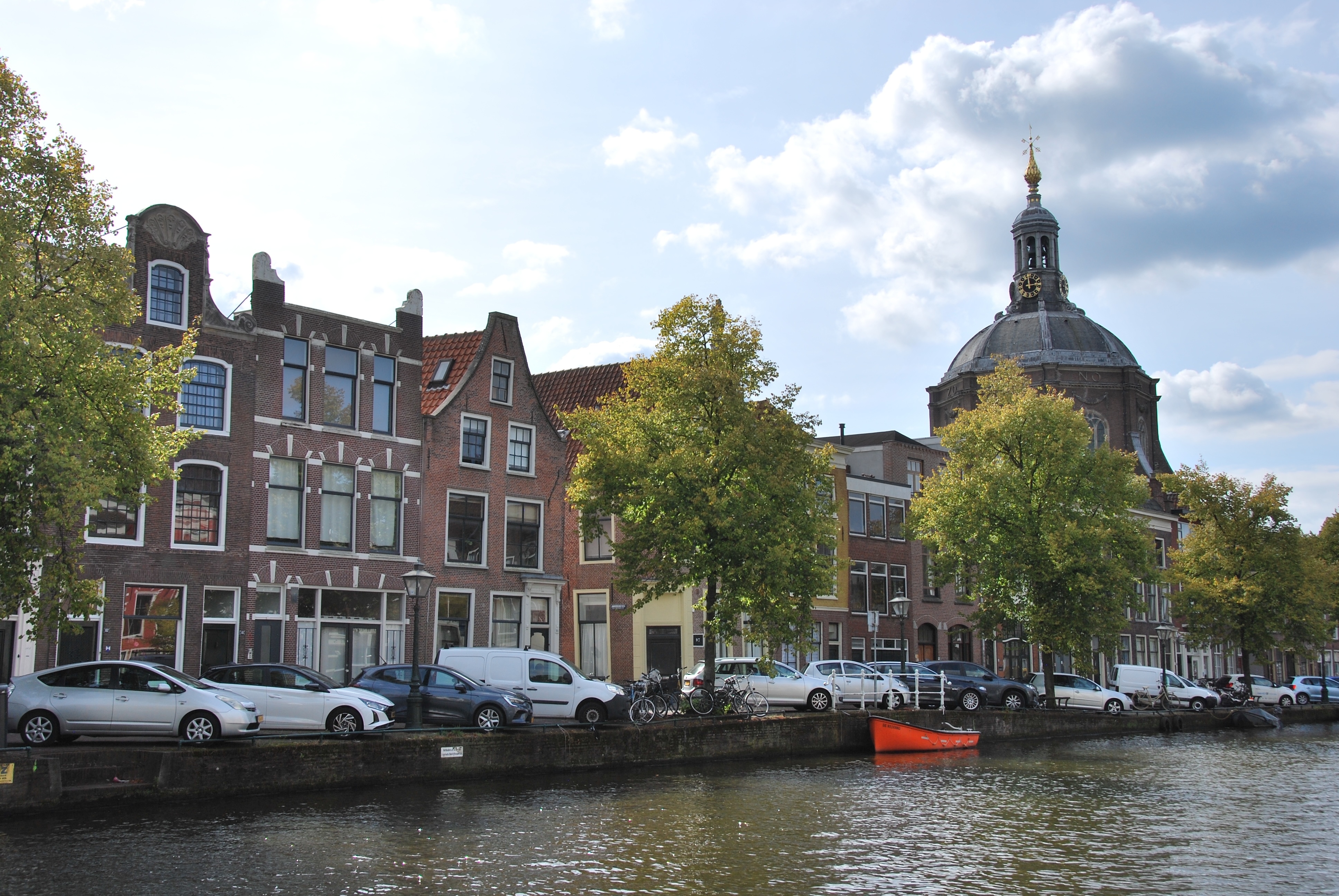
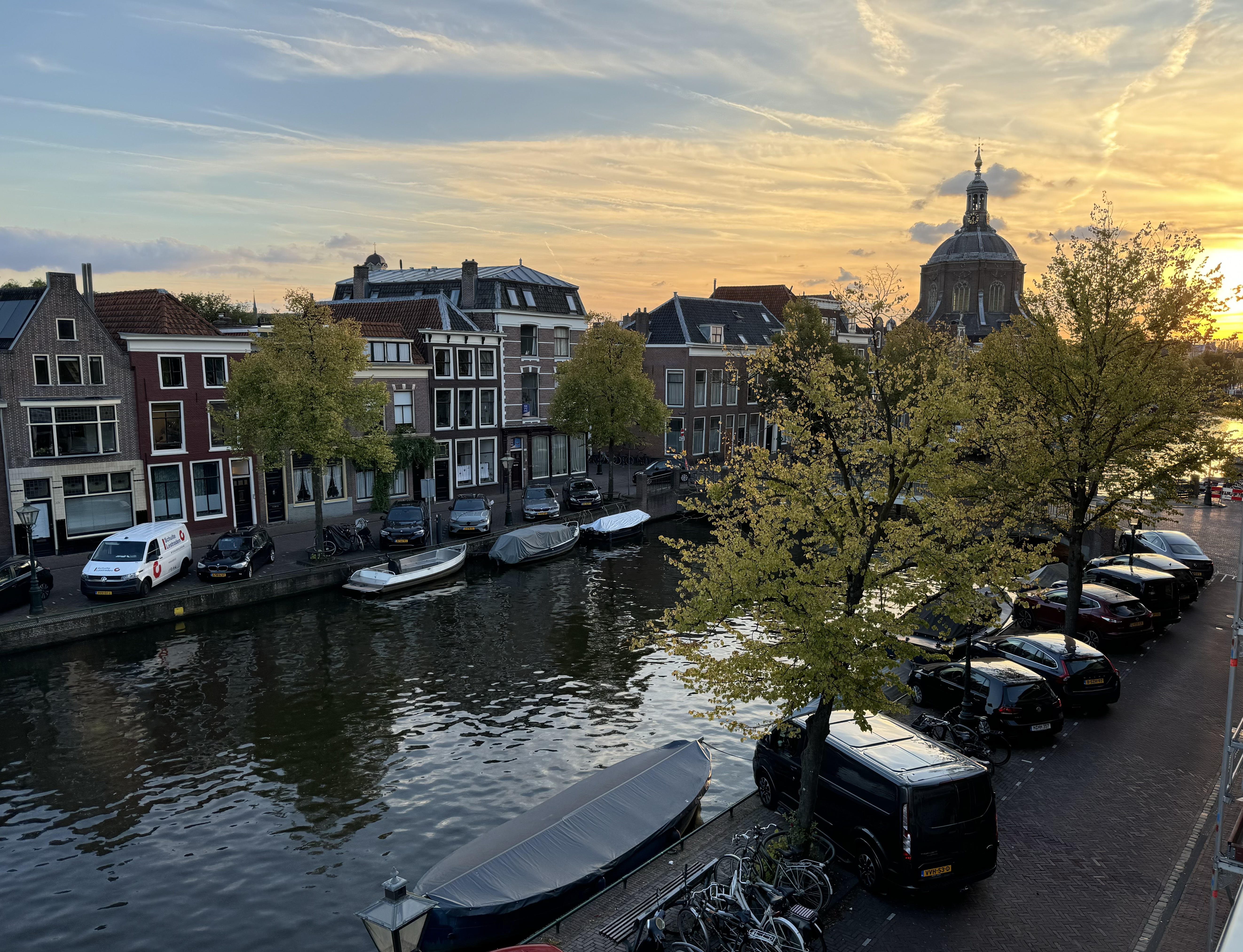
Our day’s exploration brought us through the city center where a weekend market was bustling with plentiful bike and foot traffic. It’s impressive how quickly bikes carve their way through the streets. Bikes rule in this part of the Netherlands. We found our way back to our B&B where we worked our way up a tight, winding, historically-preserved staircase built in 1750. Our charming room overlooked the canal and gave us a great view.

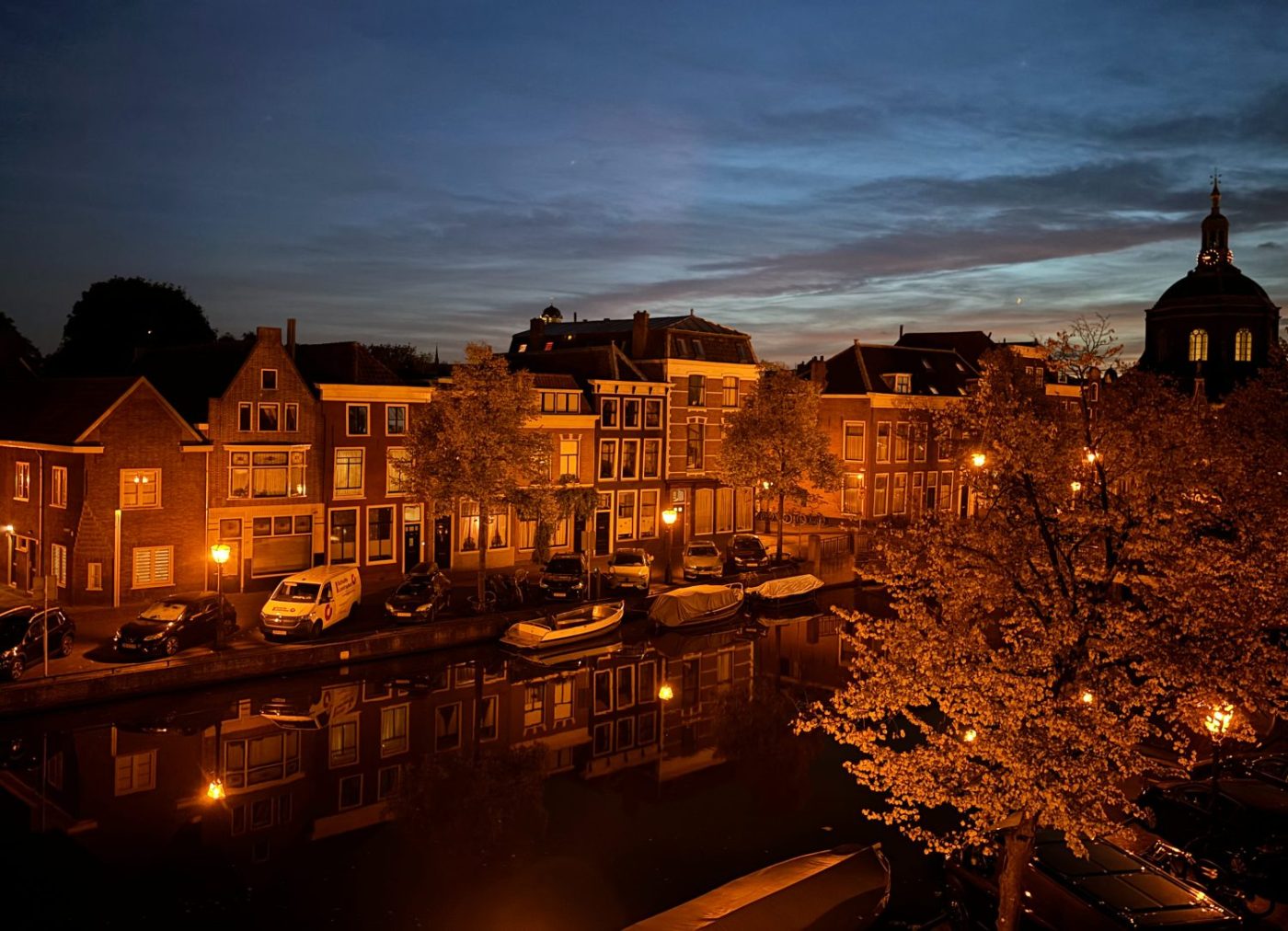
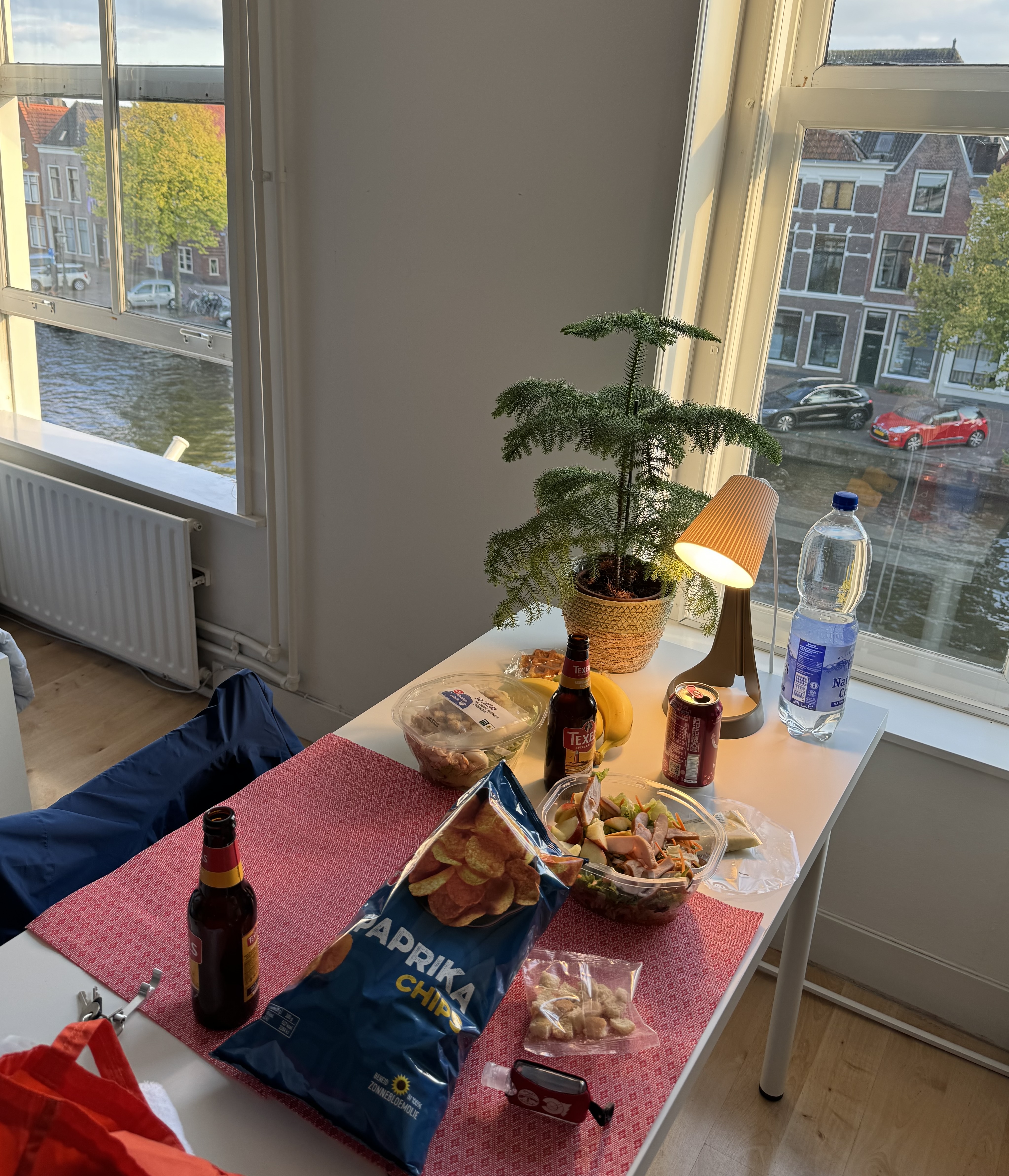
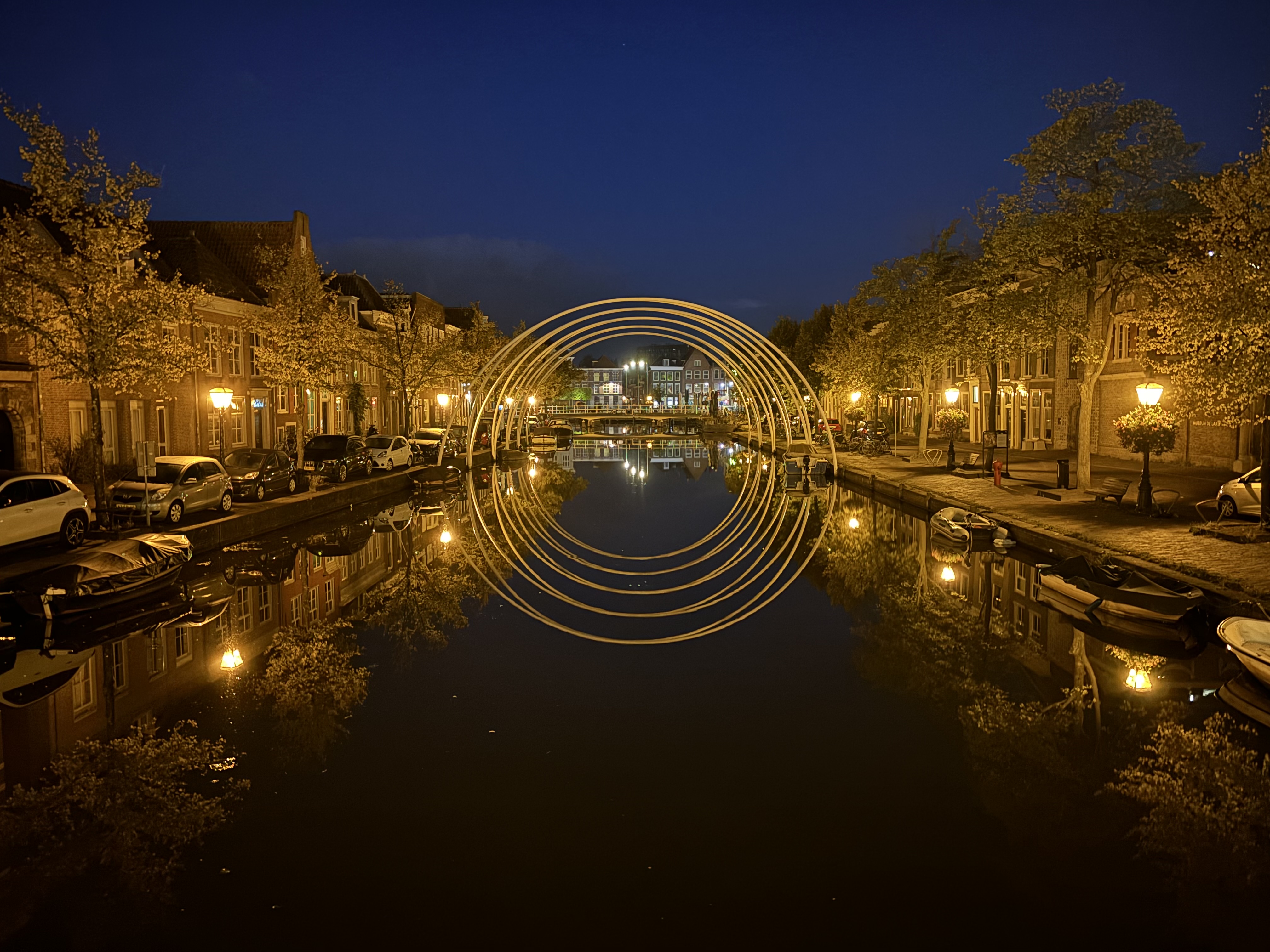
While traveling, we have an affinity for European grocery stores. They offer high quality food at very affordable prices when compared to eating out. Amy navigated us to a supermarket where we selected some salads and paprika potato chips, something we grew fond of during our Swiss travels. With an early morning ahead for our flight to Kigali, Rwanda, we ate dinner in our room and enjoyed some night views of the canal below.
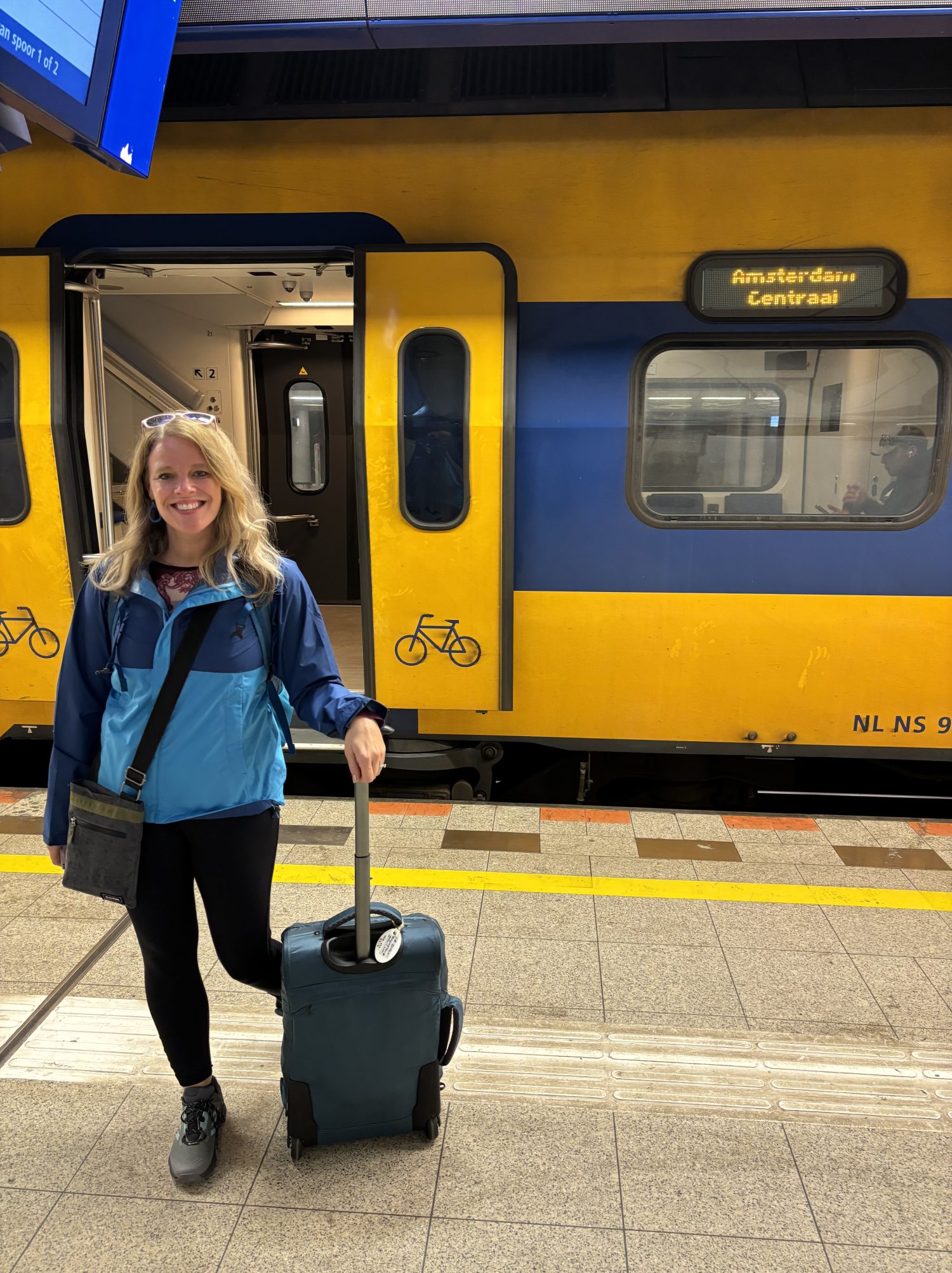
We woke early in the morning to take the train back to Schipol Airport. We marveled at the convenience of the well established rail system. We would soon be off to Kigali, Rwanda via another long flight.
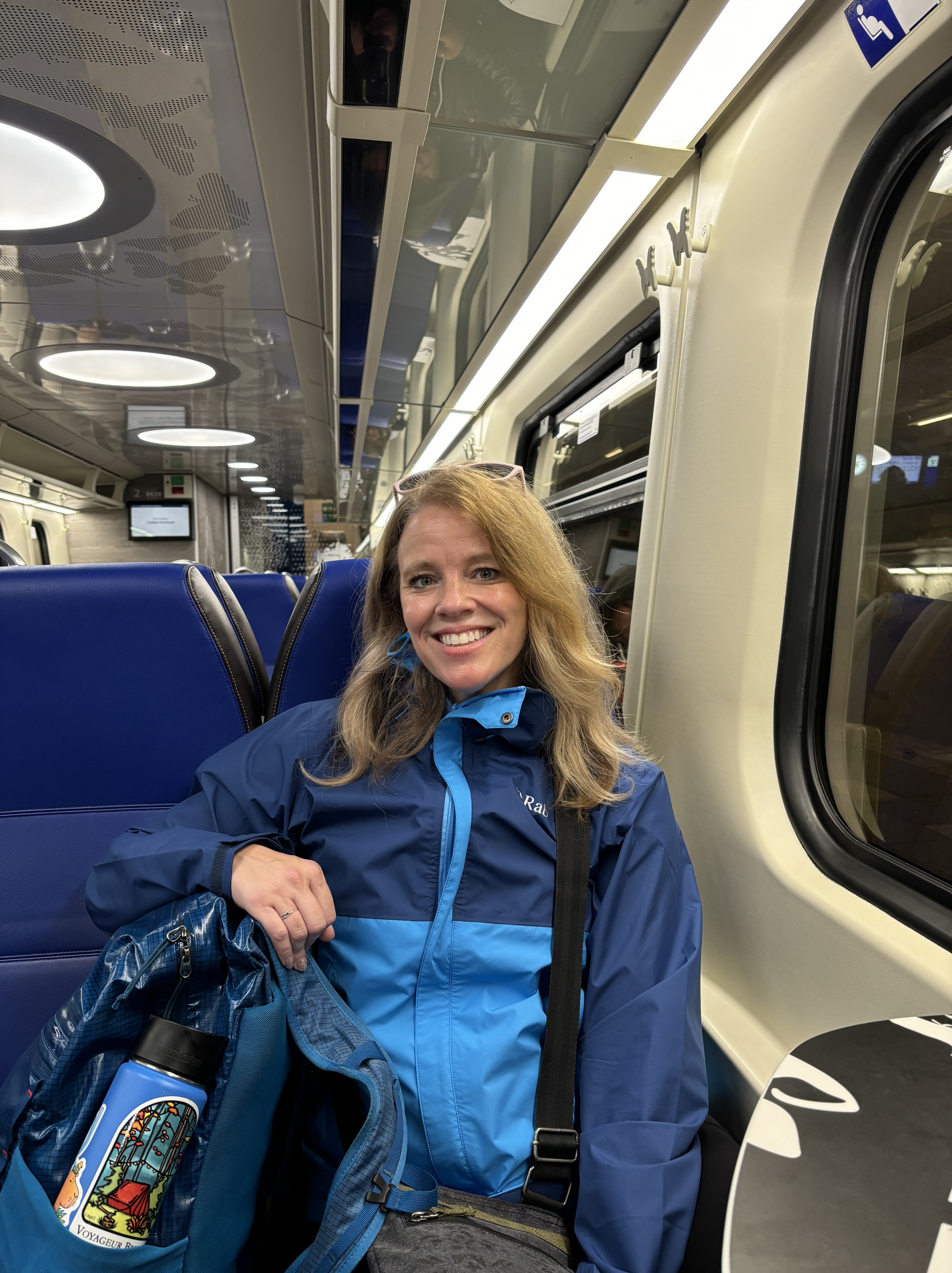
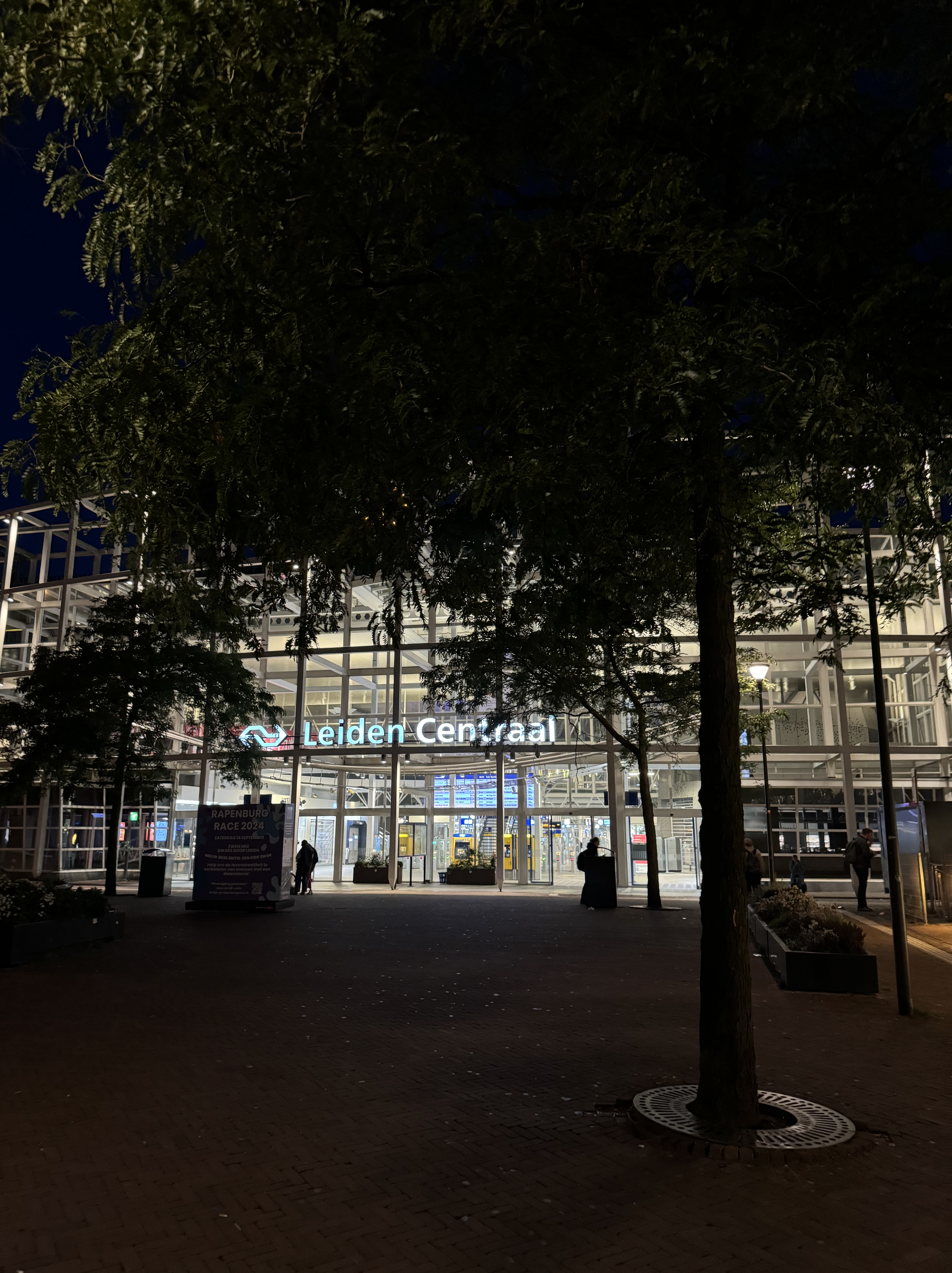
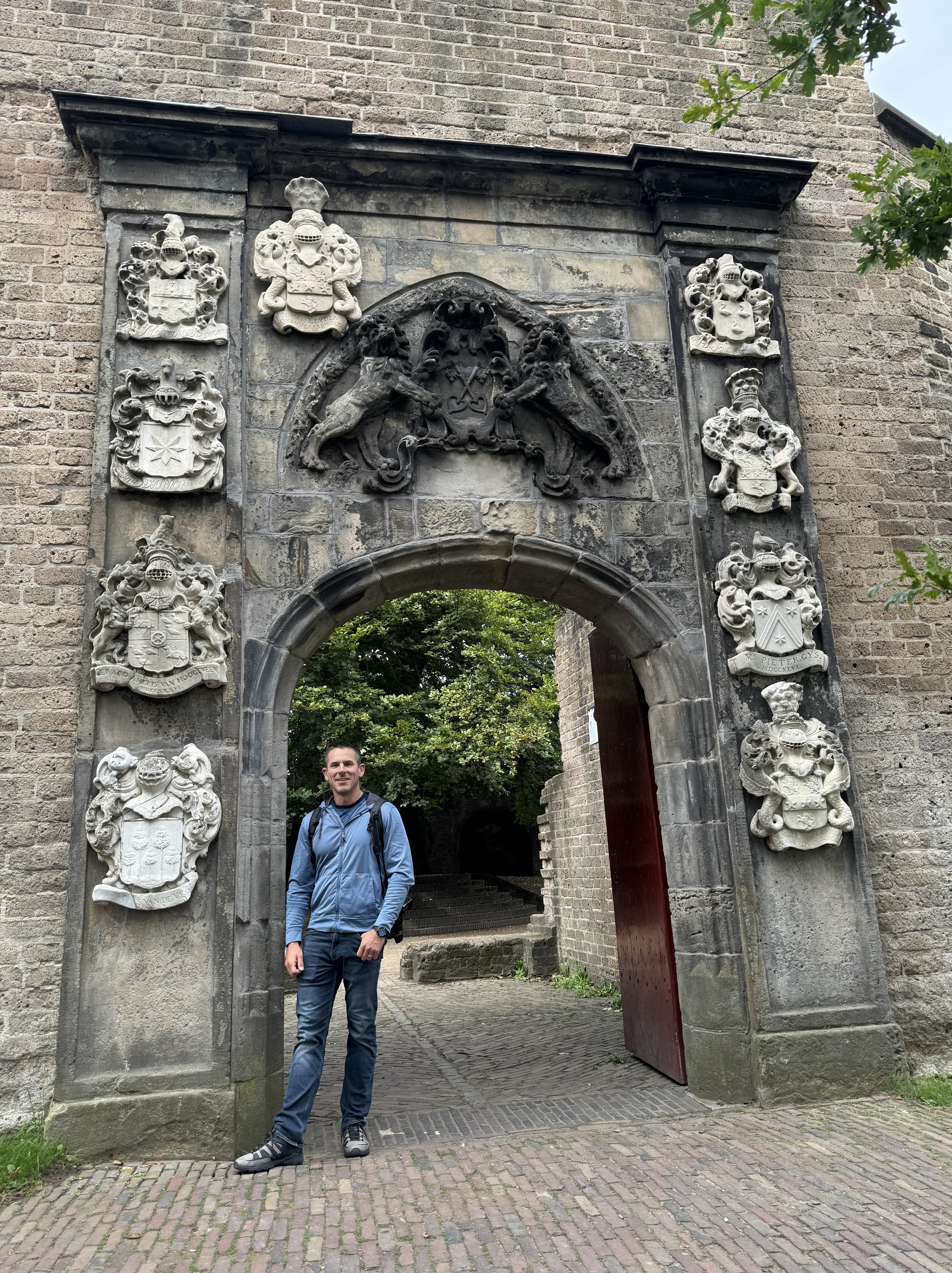
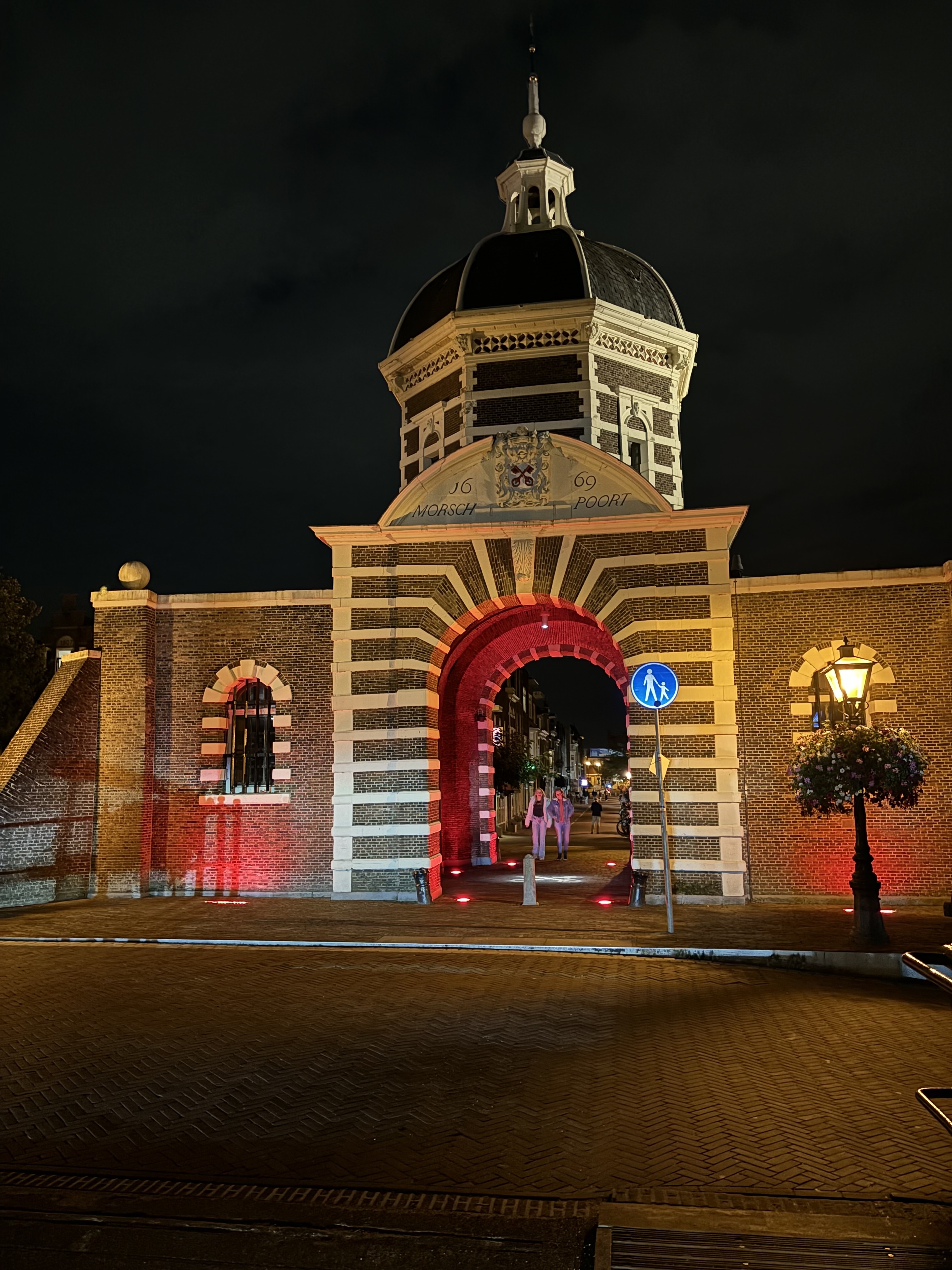
Returning from Rwanda – We love the ease of trains in Europe! After our return from Kigali, we bought a train pass to Leiden for a short ride to the central station. Our hotel, the Boutique Hotel d’Oude Morsch, is a converted barracks next to the Morspoort, one of the two remaining city gates, that housed infantry and mounted units from 1817 until 1940. The hotel is also in the same park as the Molen De Put windmill. The reception desk is located in a coffee shop so it was easy to arrange breakfast for the next day and get some insights on places to go in town. The receptionist suggested a tower on a hill for an overlook of the city.

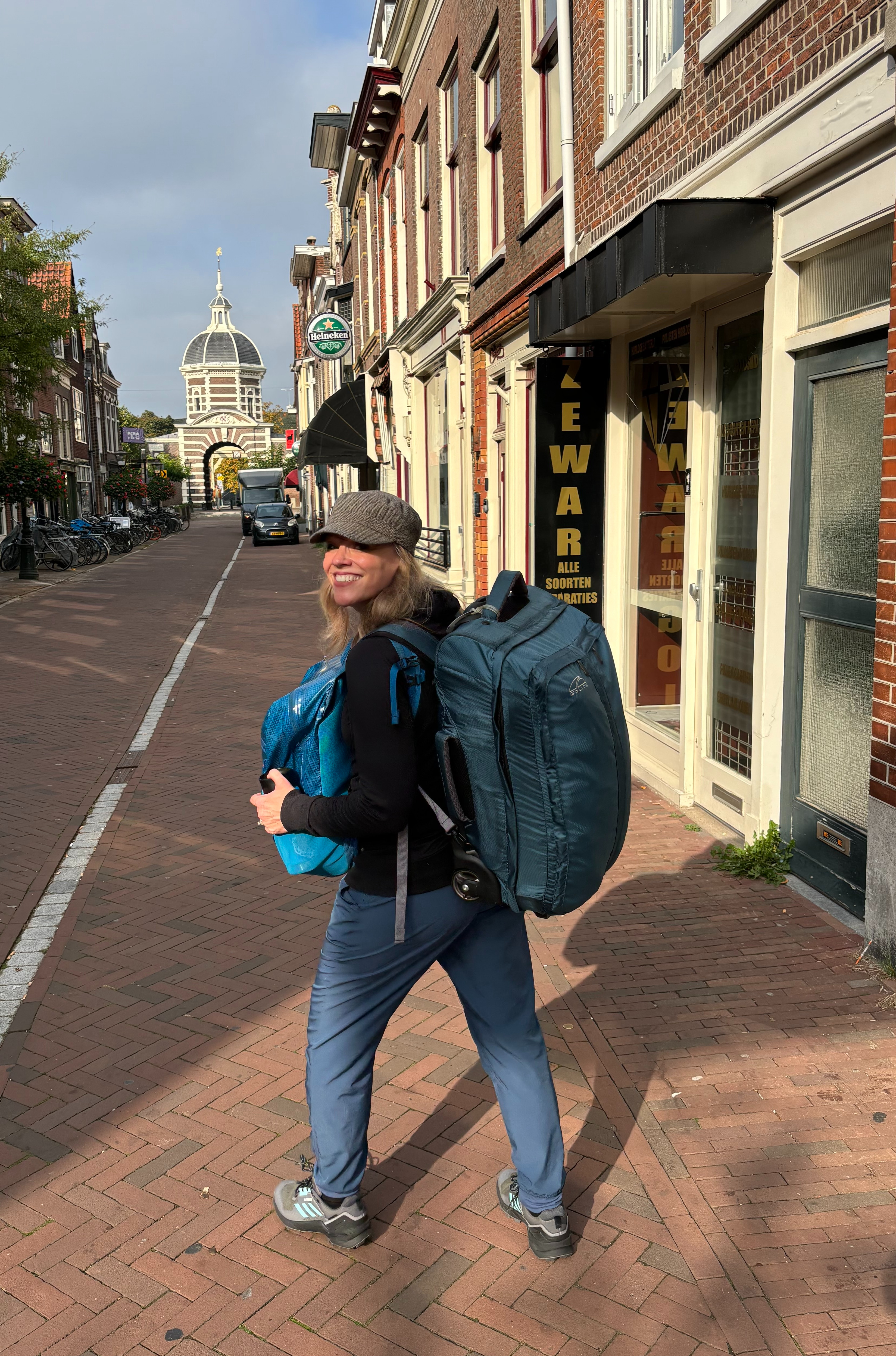
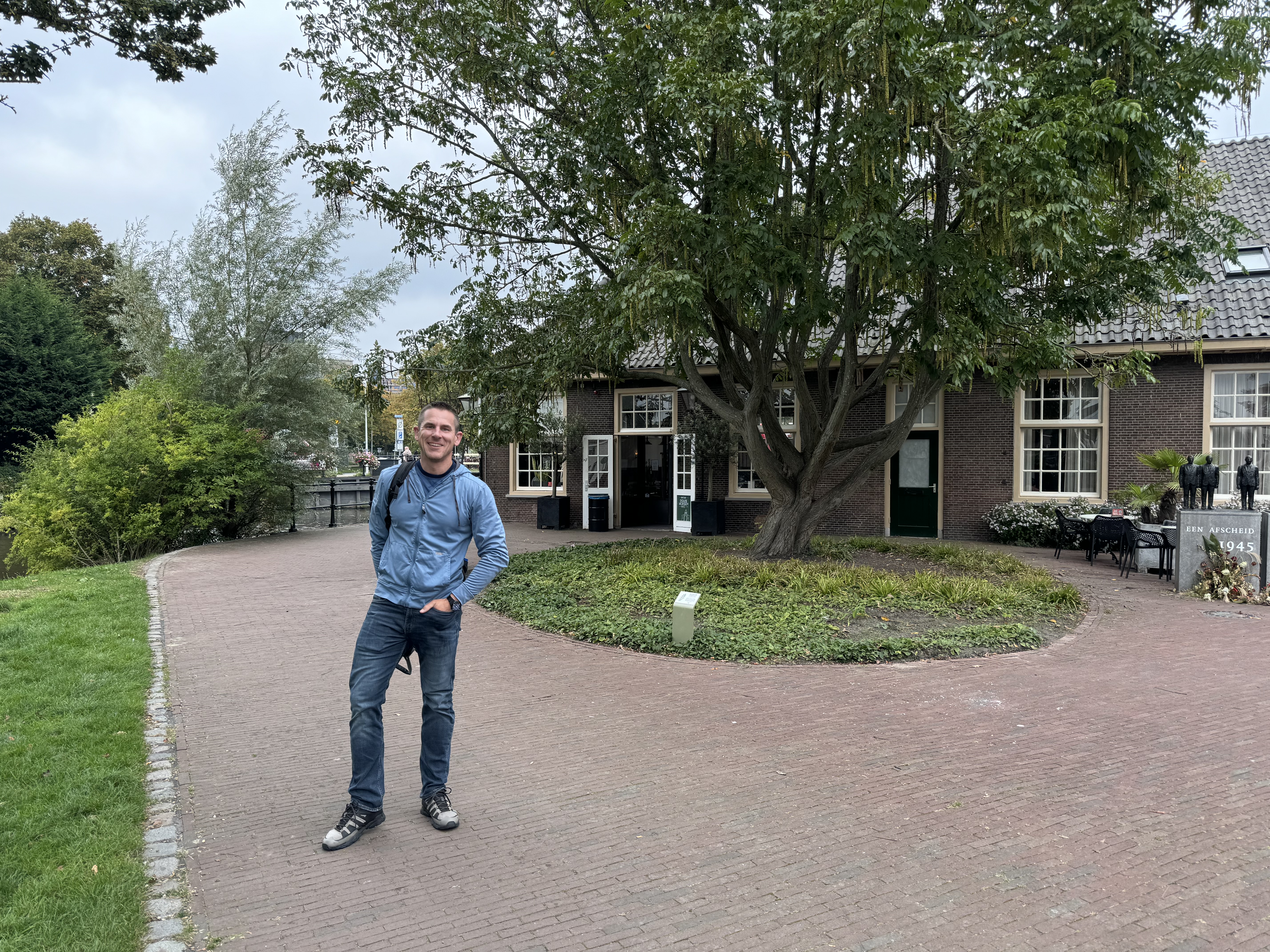
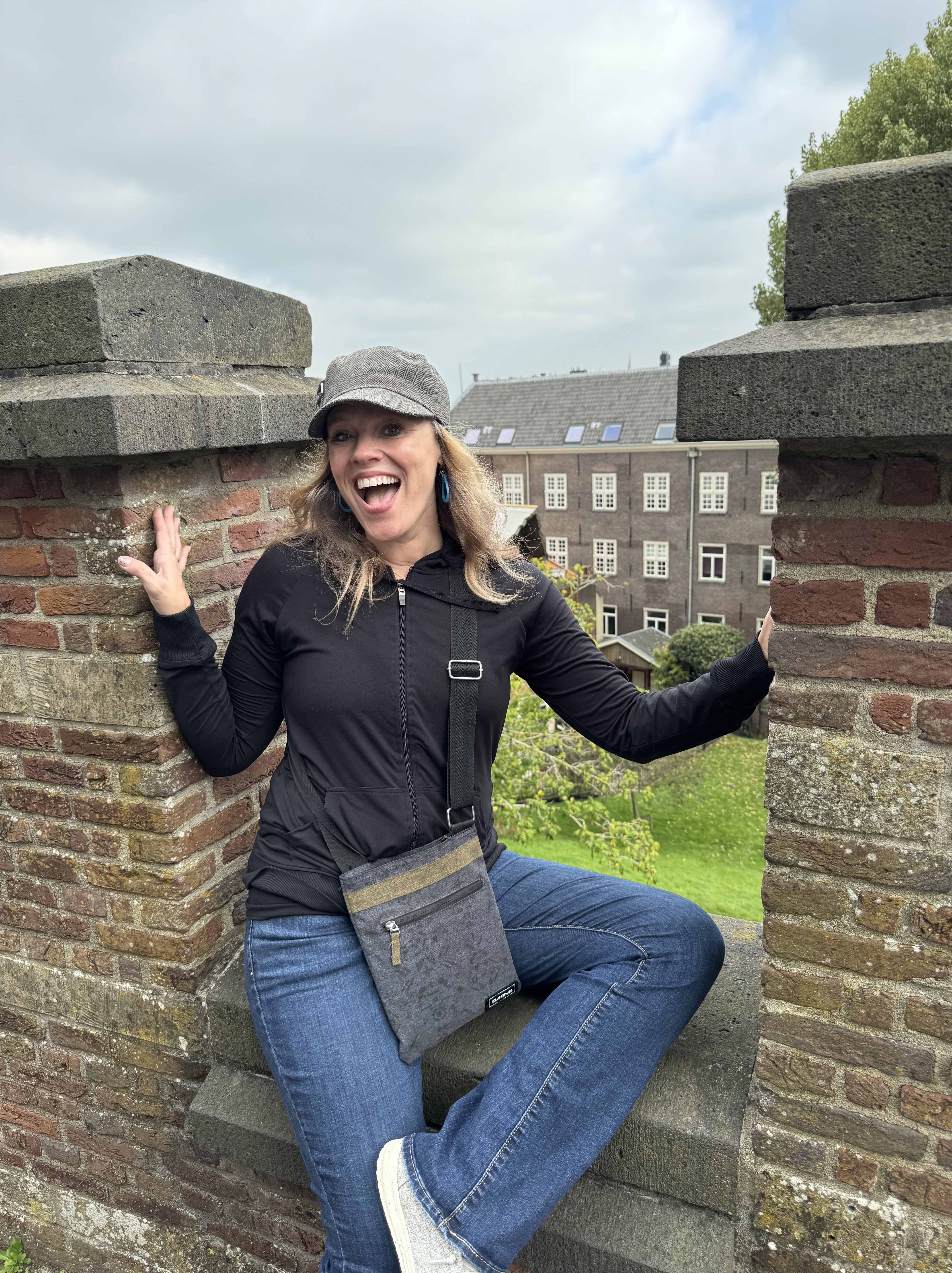
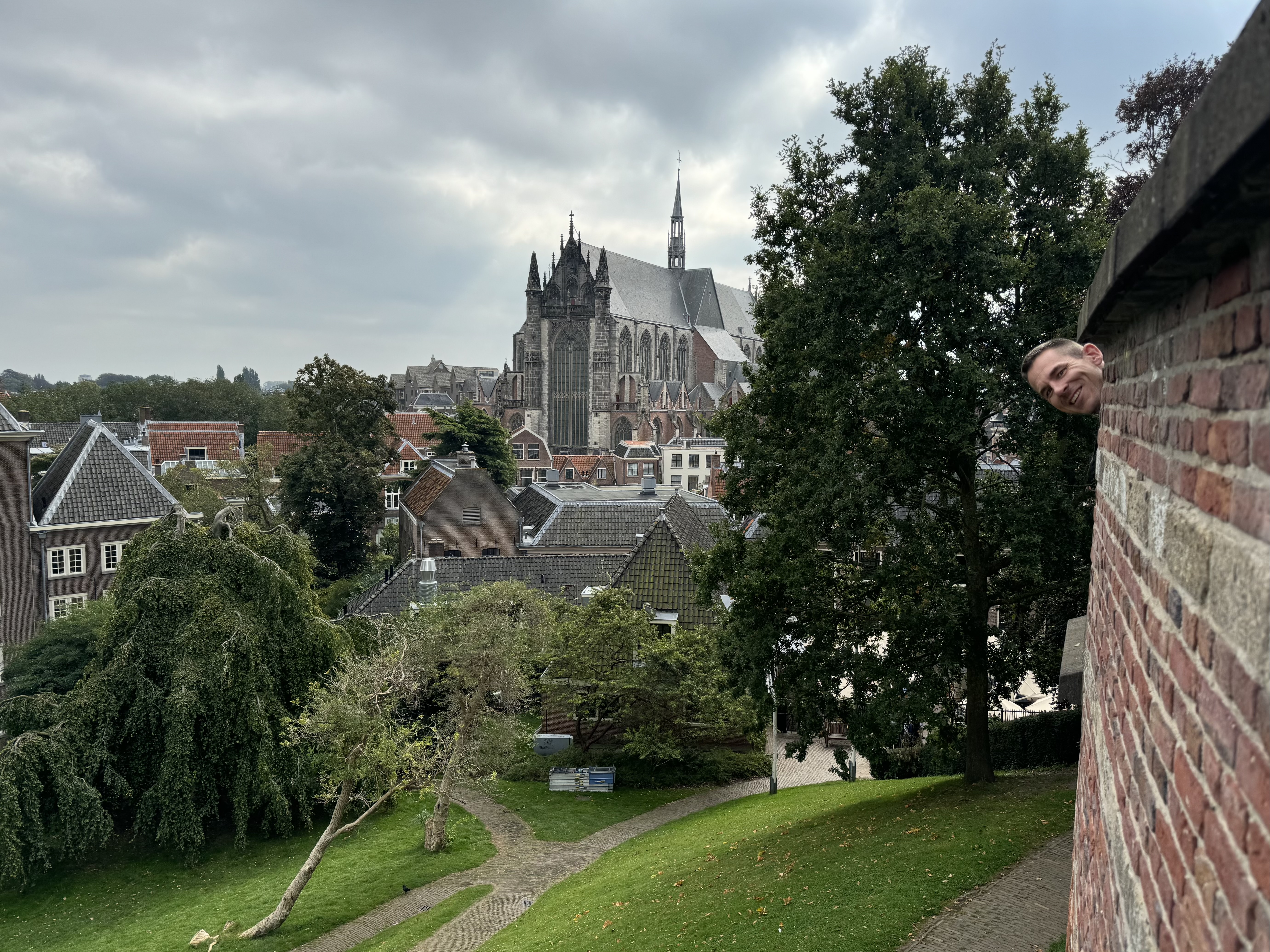
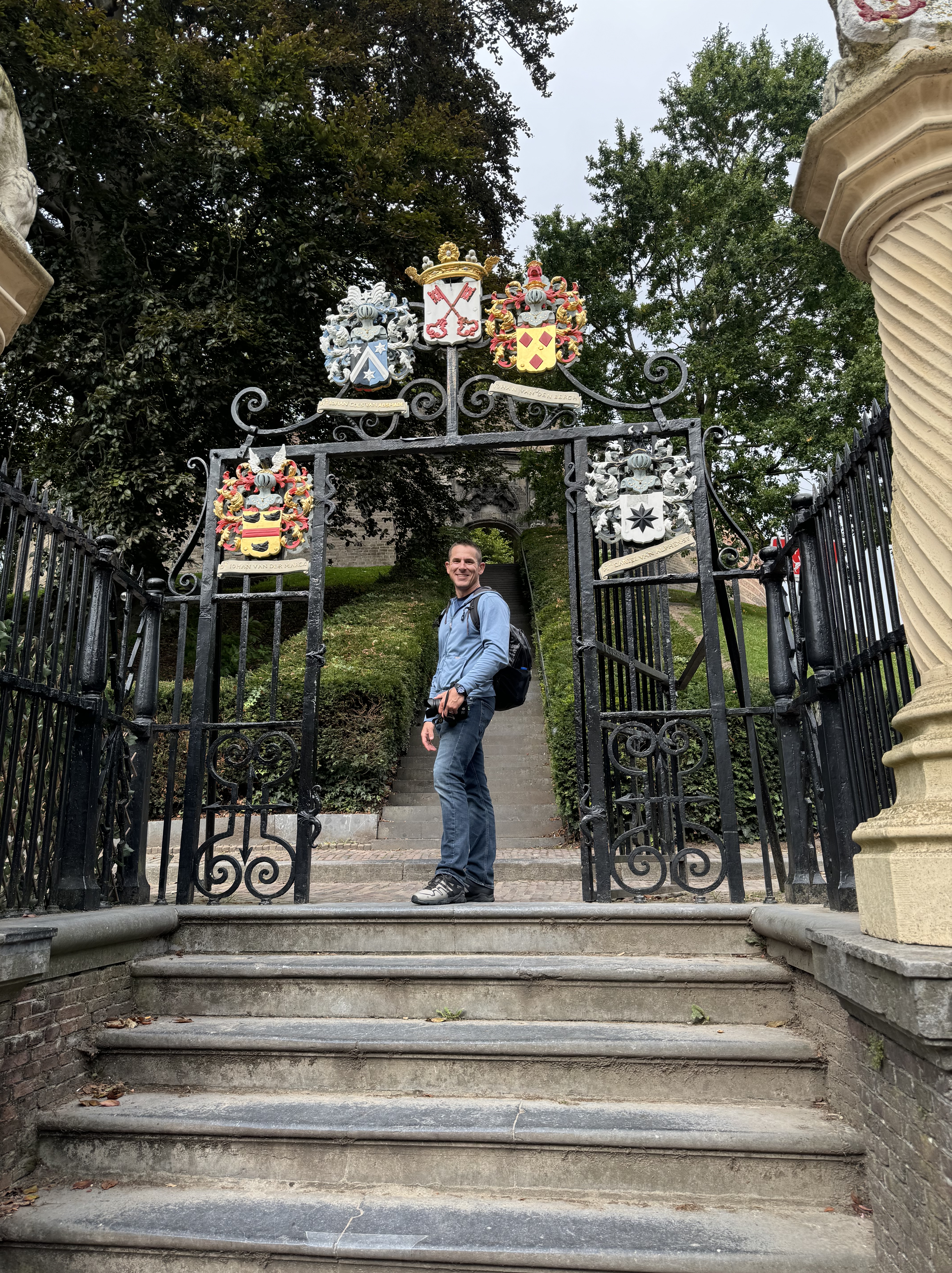
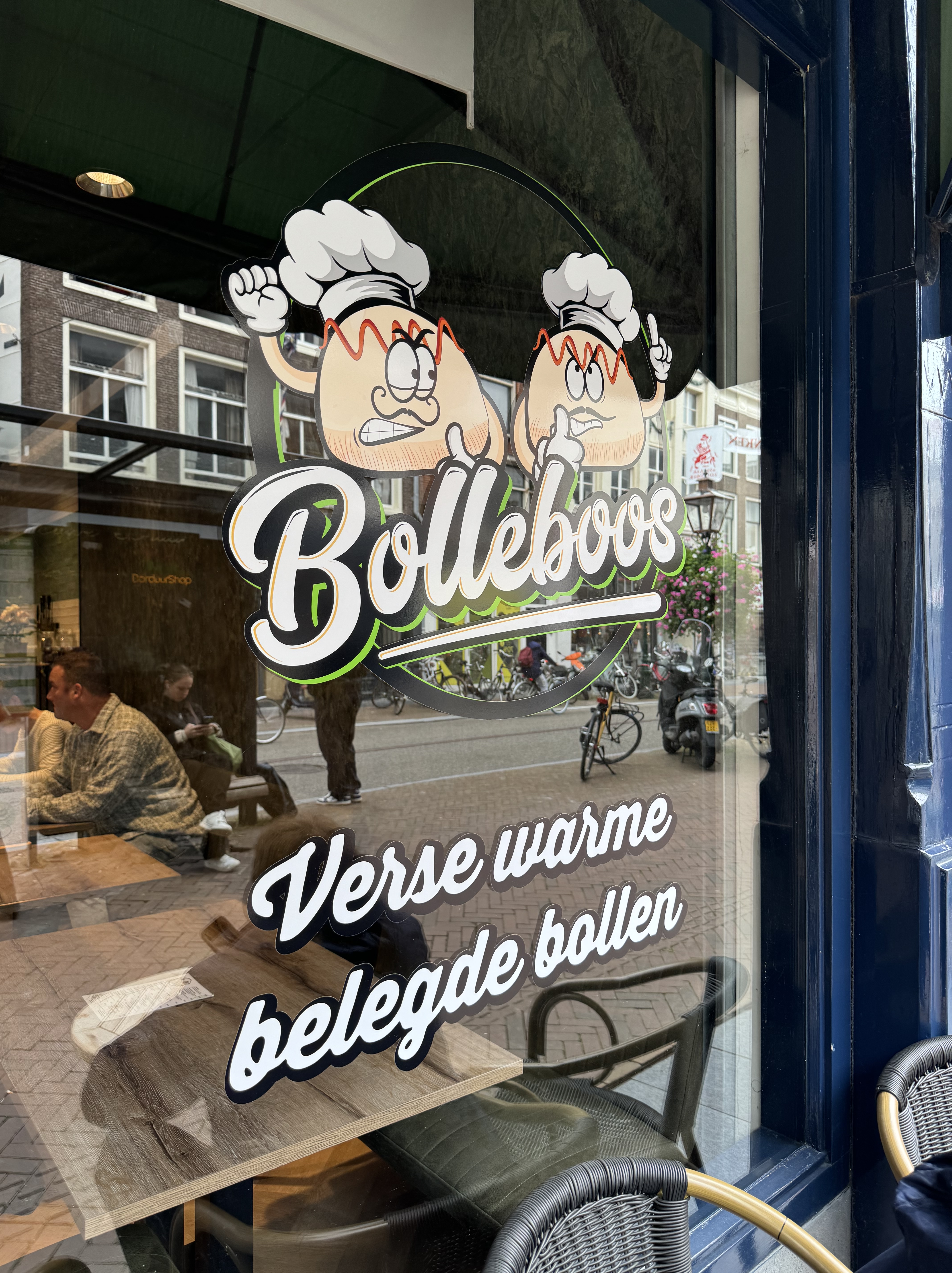
After dropping our bags, we headed over to the Burcht van Leiden tower and enjoyed good views and people watching as a woman in clogs played with a cat below. Having already been in the city on the front end of our trip, we enjoyed a relaxing time revisiting the windmills. Hunger kicked in. A small sandwich shop, Broodje Boolebos, served up some of the best sandwiches we’ve ever eaten.

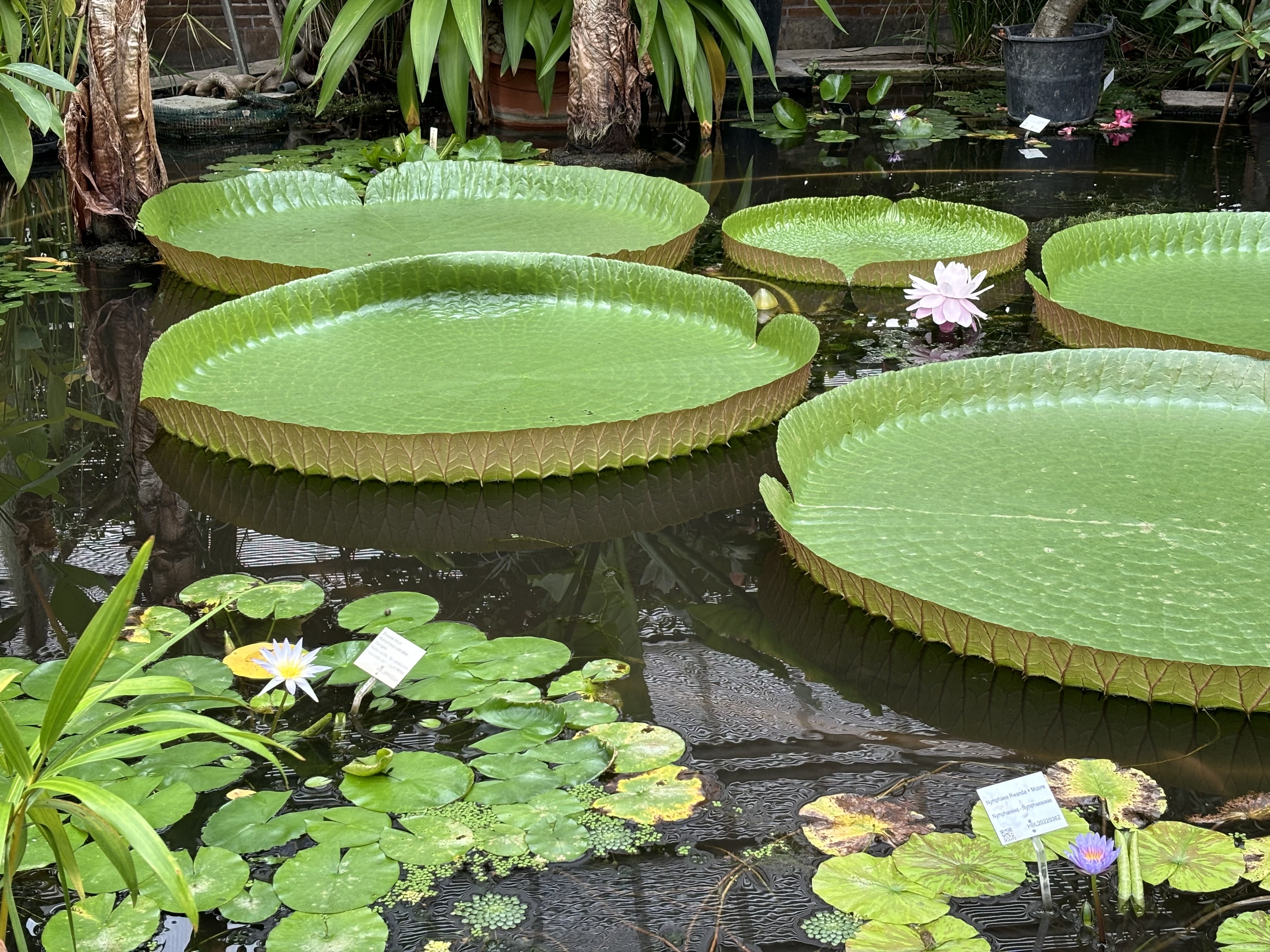
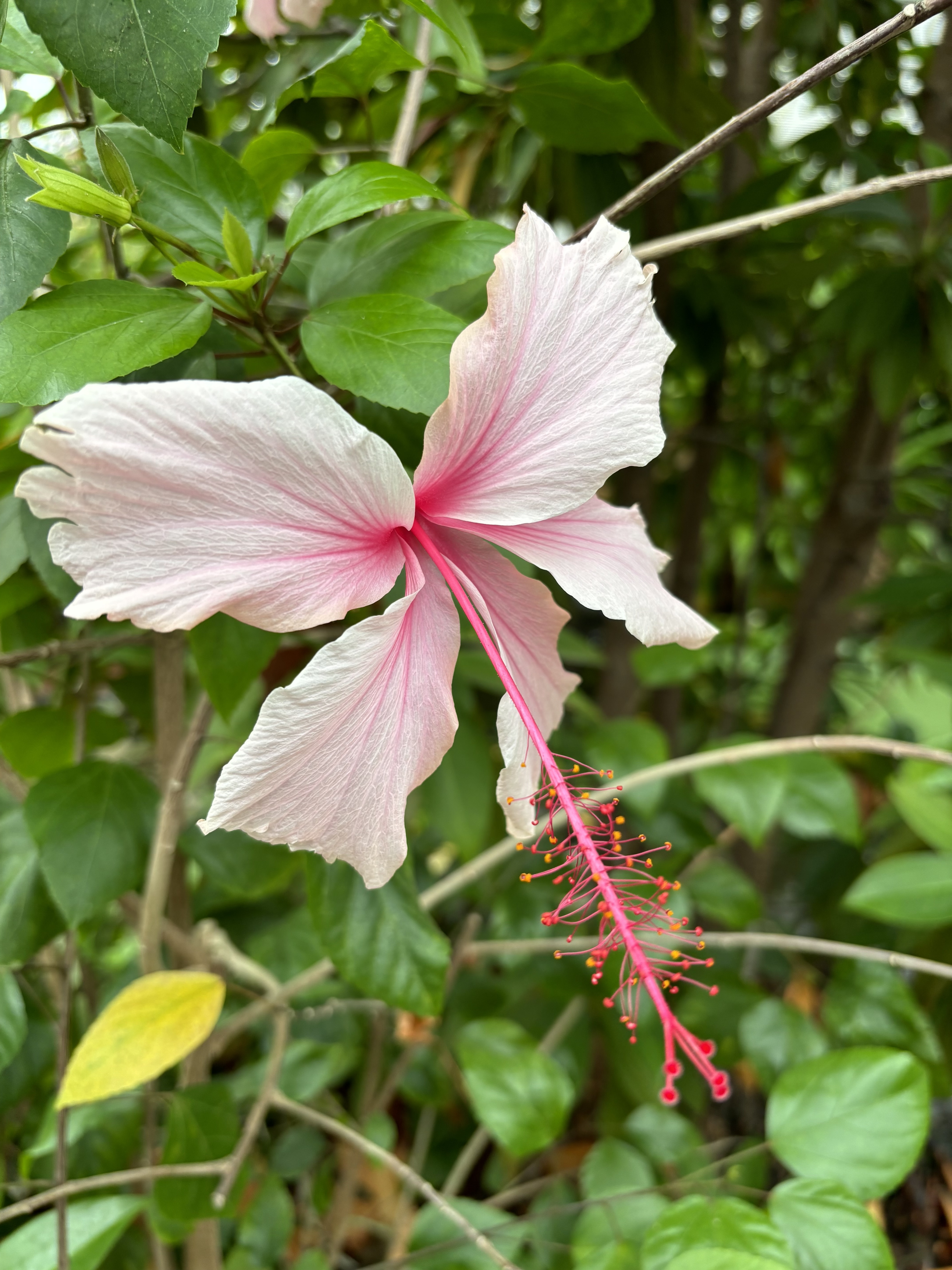
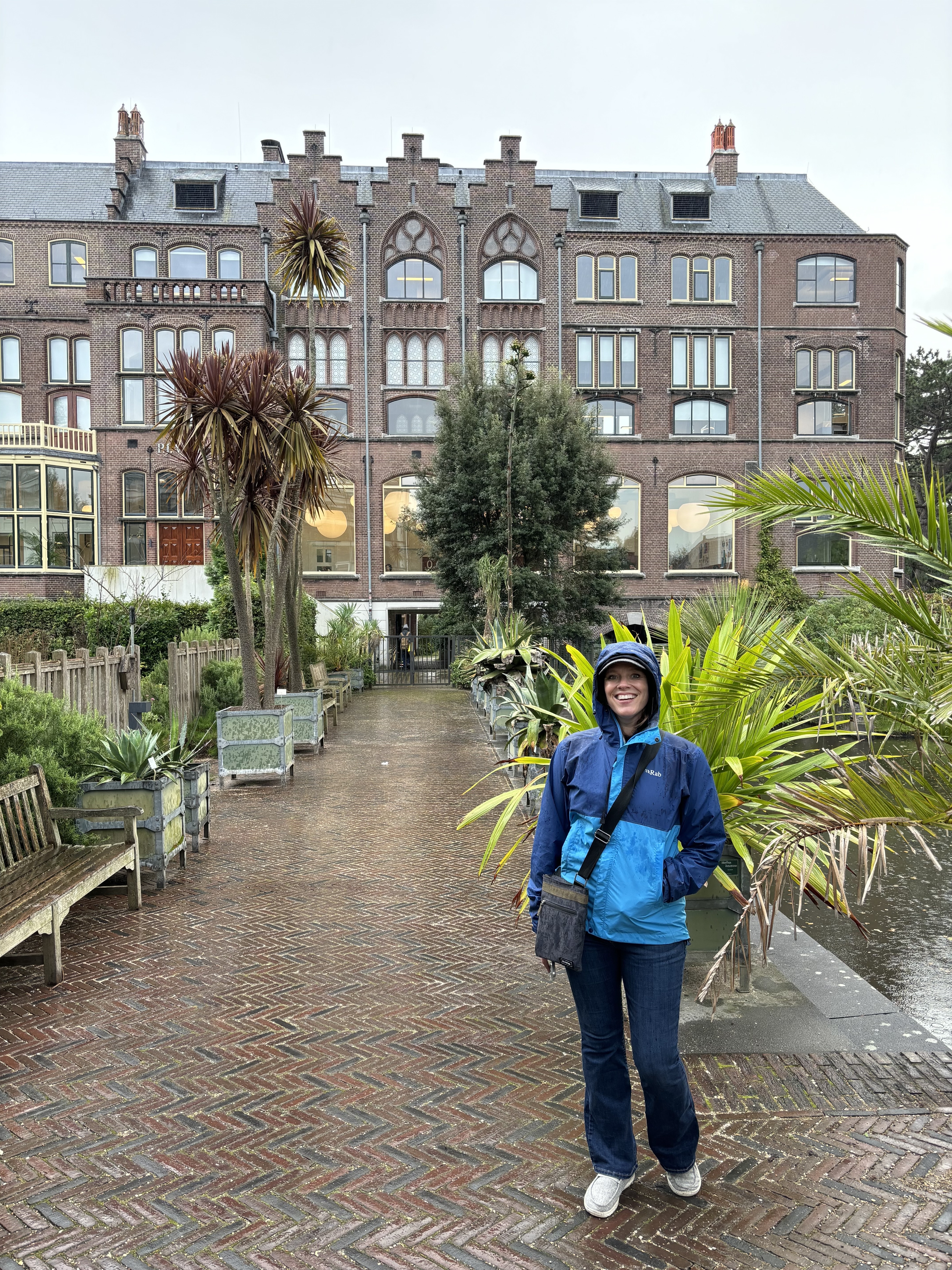
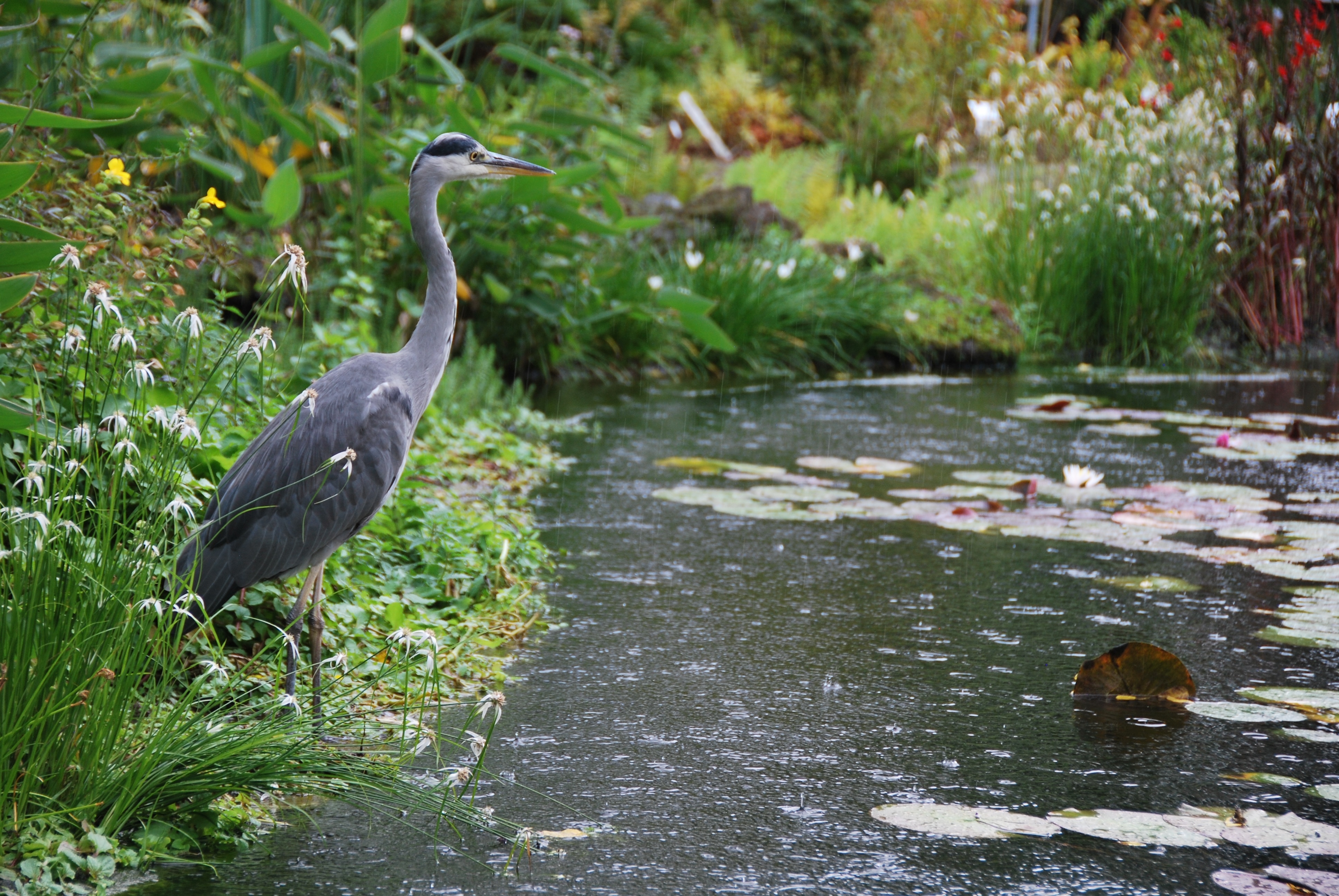
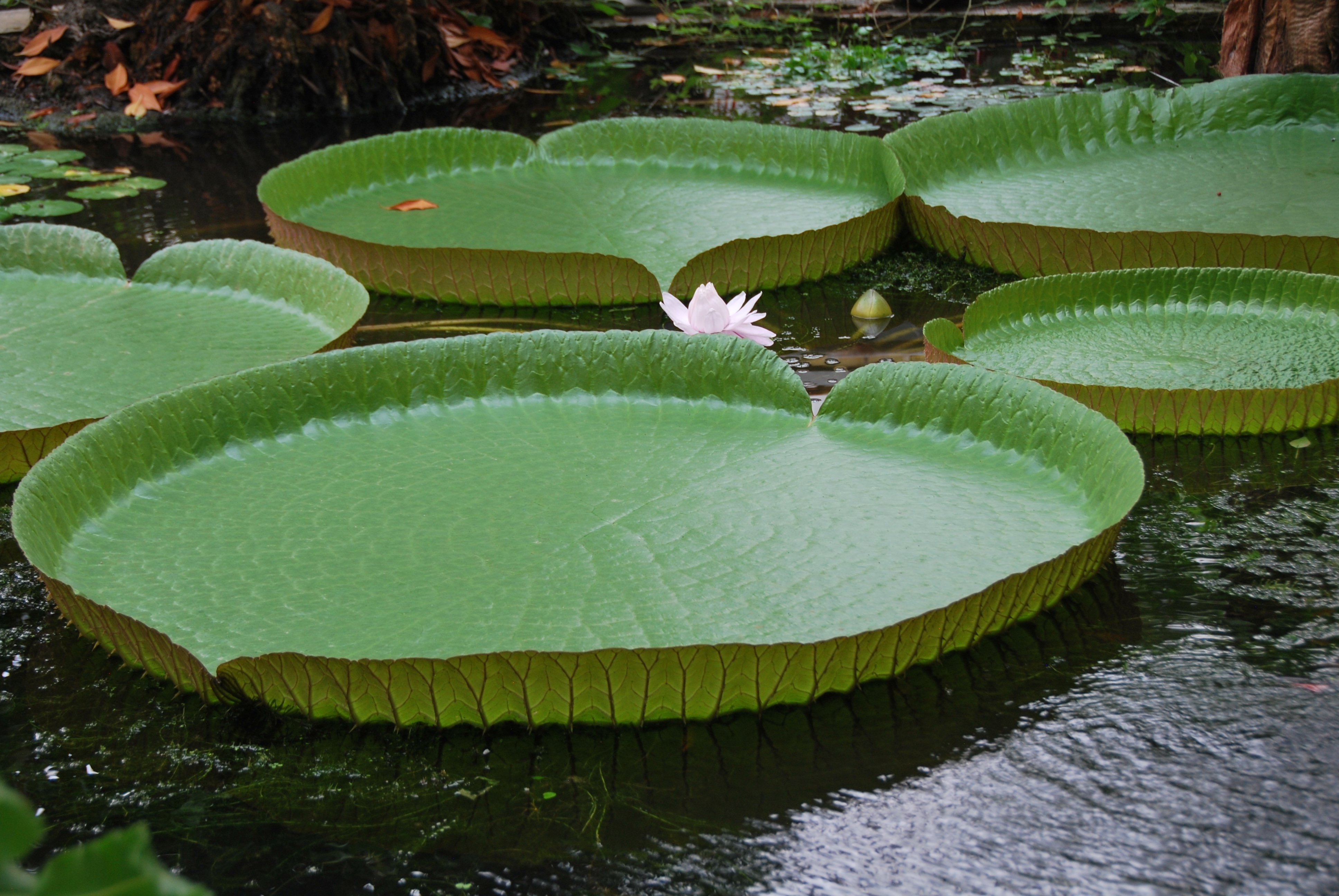
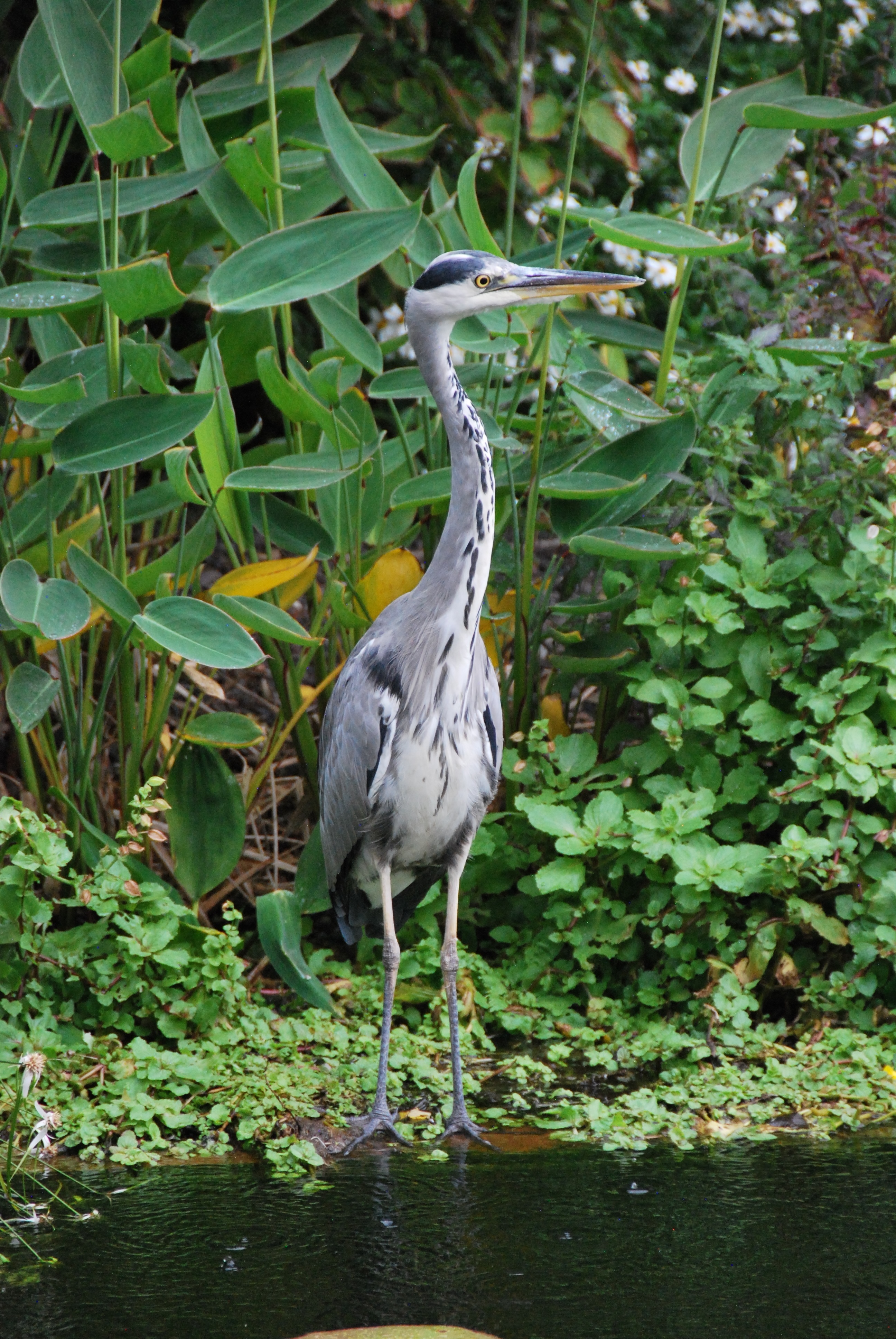
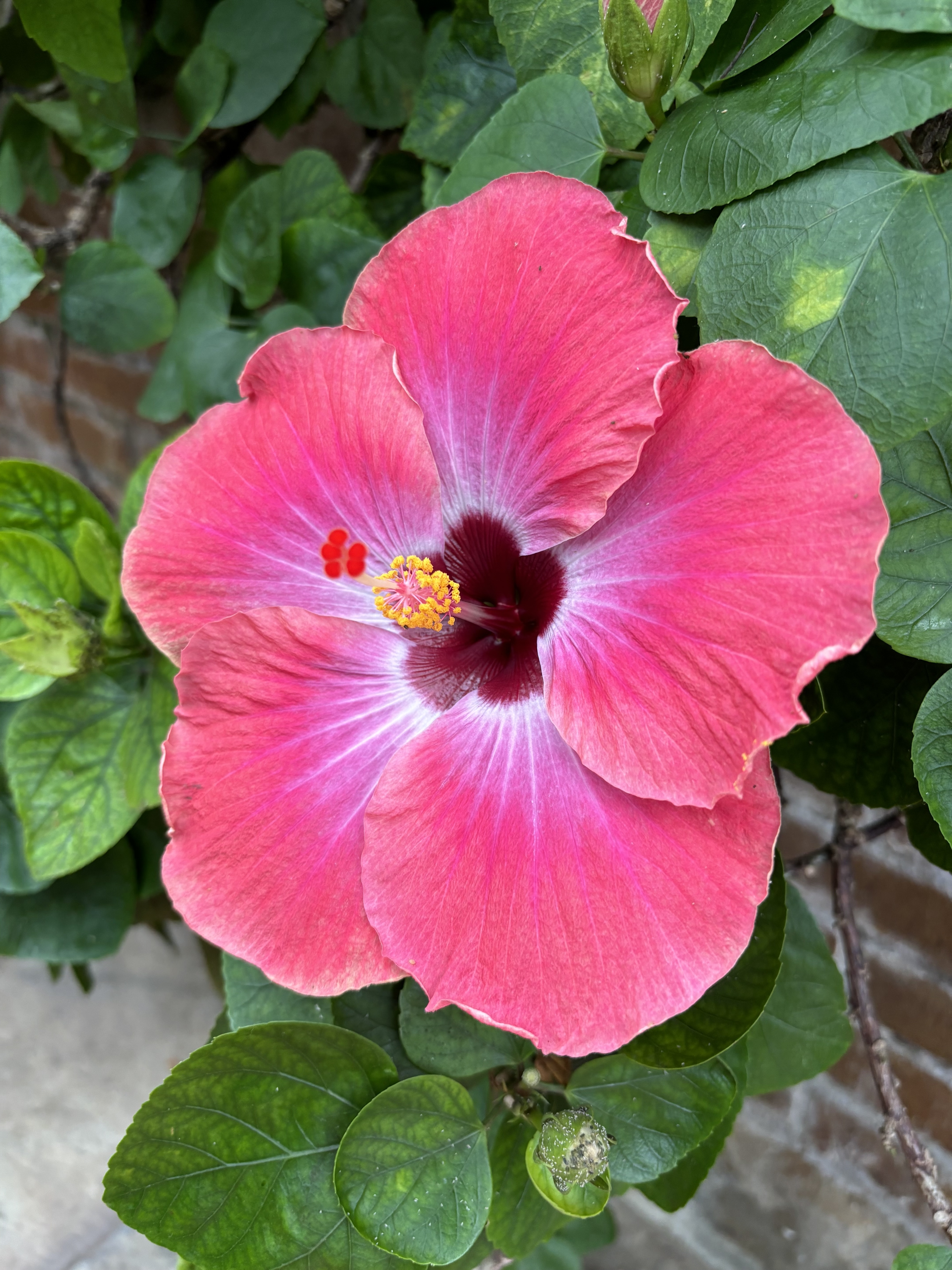
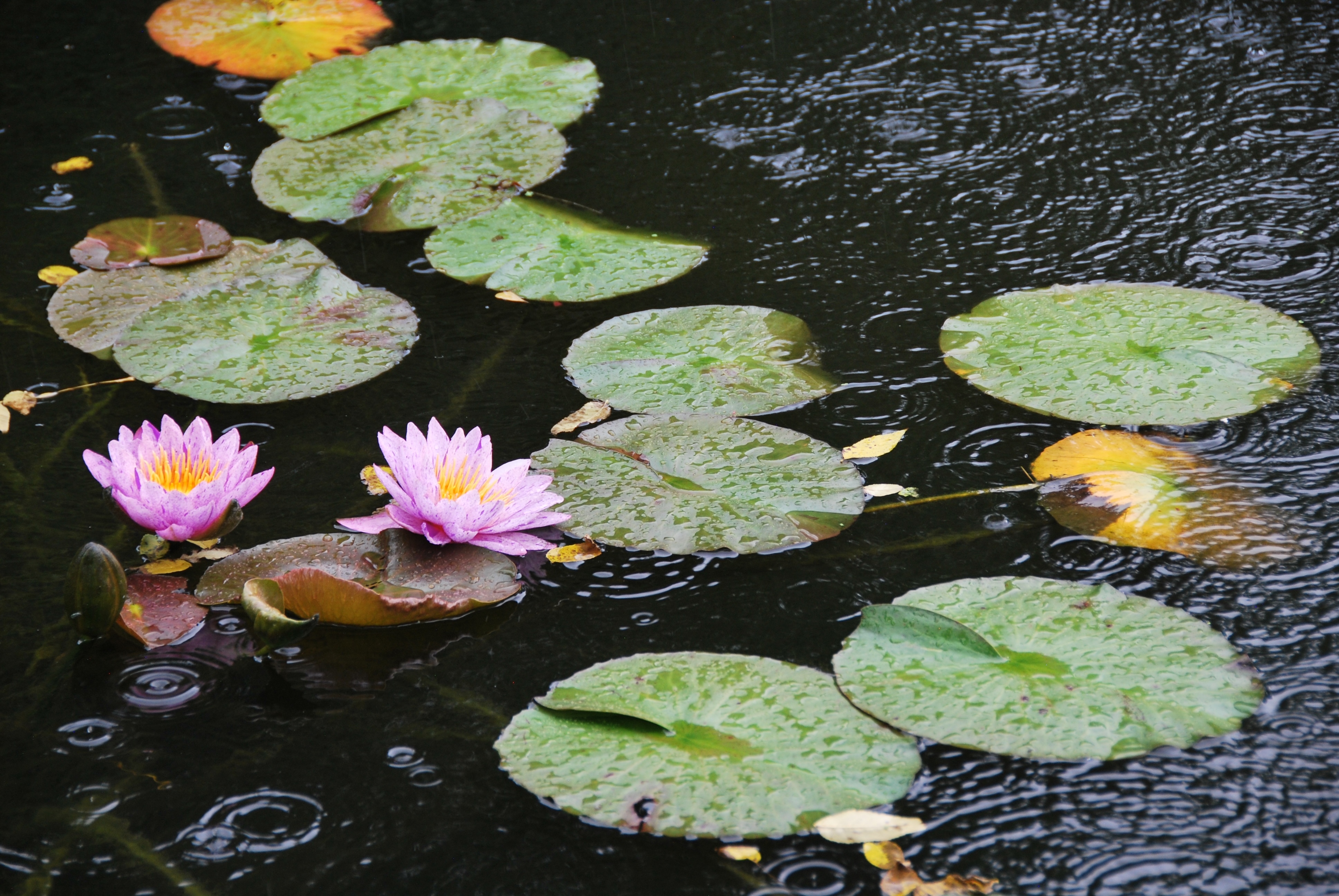
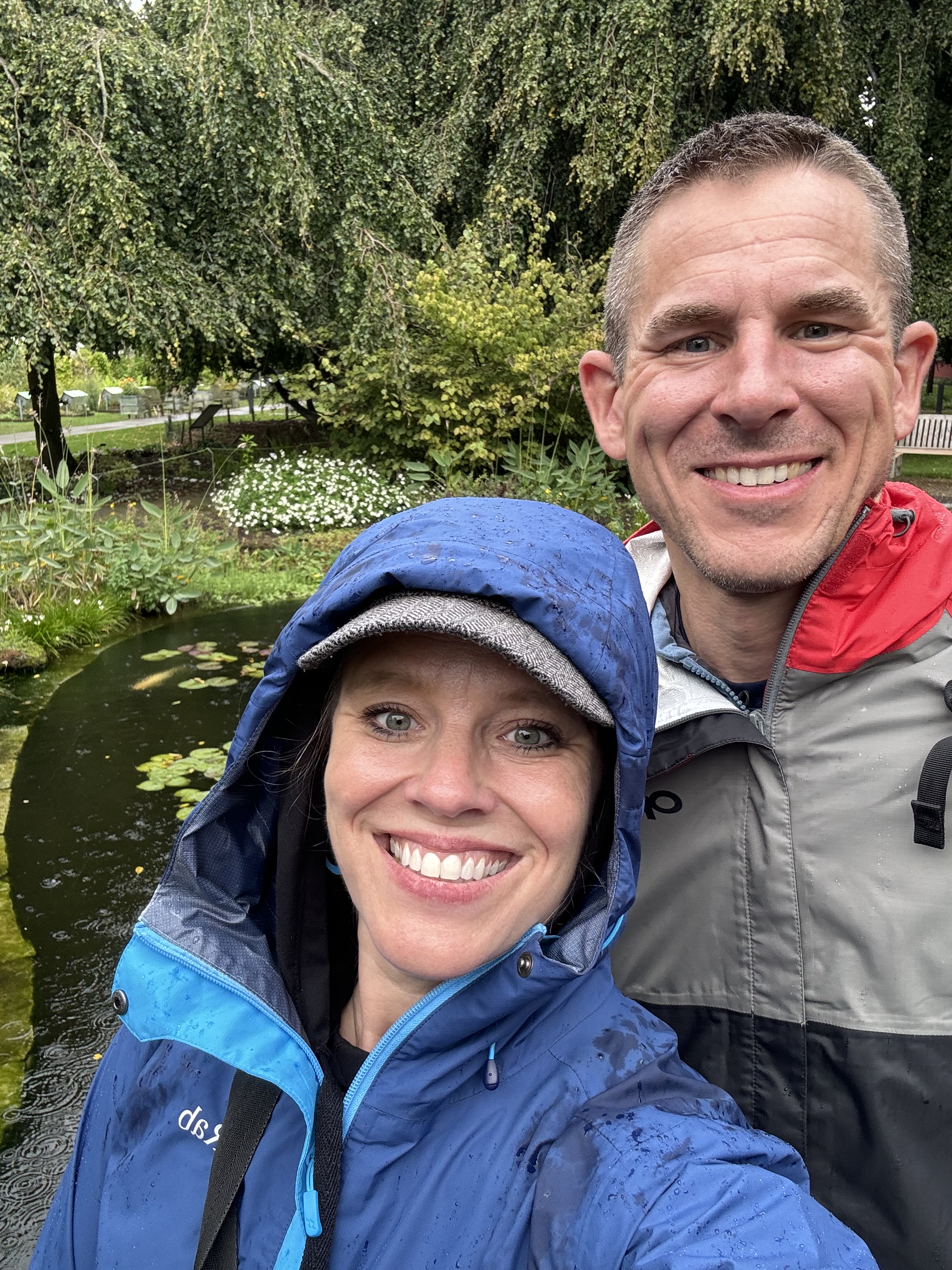
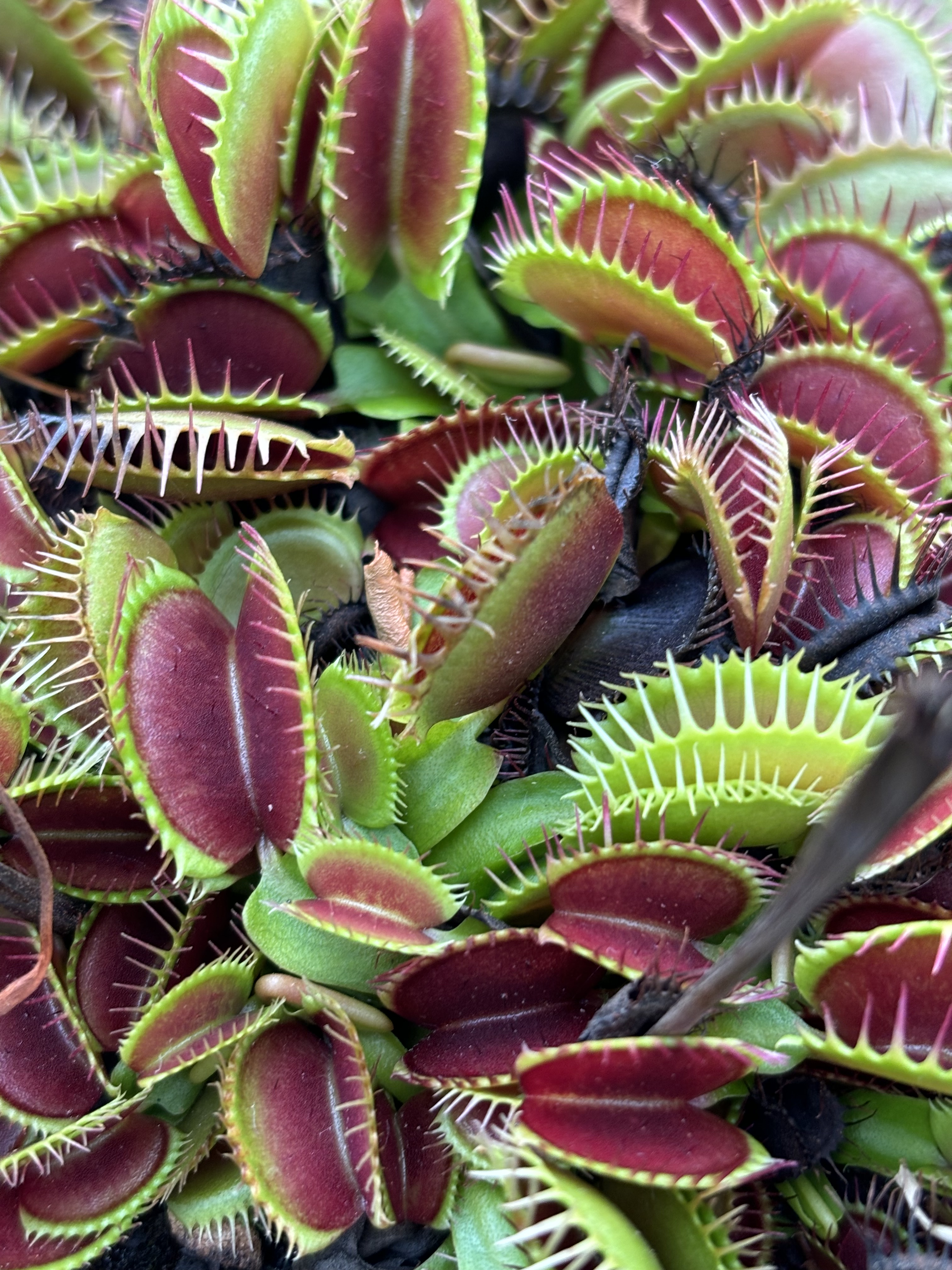
Following some recommendations, we went to the botanical gardens. Flowers were limited given the time of year, but we found different varieties of hibiscus which are a personal favorite. Also of note were the giant lily pads, the Victoria Amazonica, which can grow up to nine feet (three meters) in diameter. Had we been there while in season, these also bloom the world’s largest flower. We enjoyed the grounds and did some impromptu bird watching at a coy pond where a heron stood along the edge. Our last stop before leaving was to see the carnivorous plants. I find things like the fly trap interesting. They digest insects to live in areas where the soil lacks nutrients.

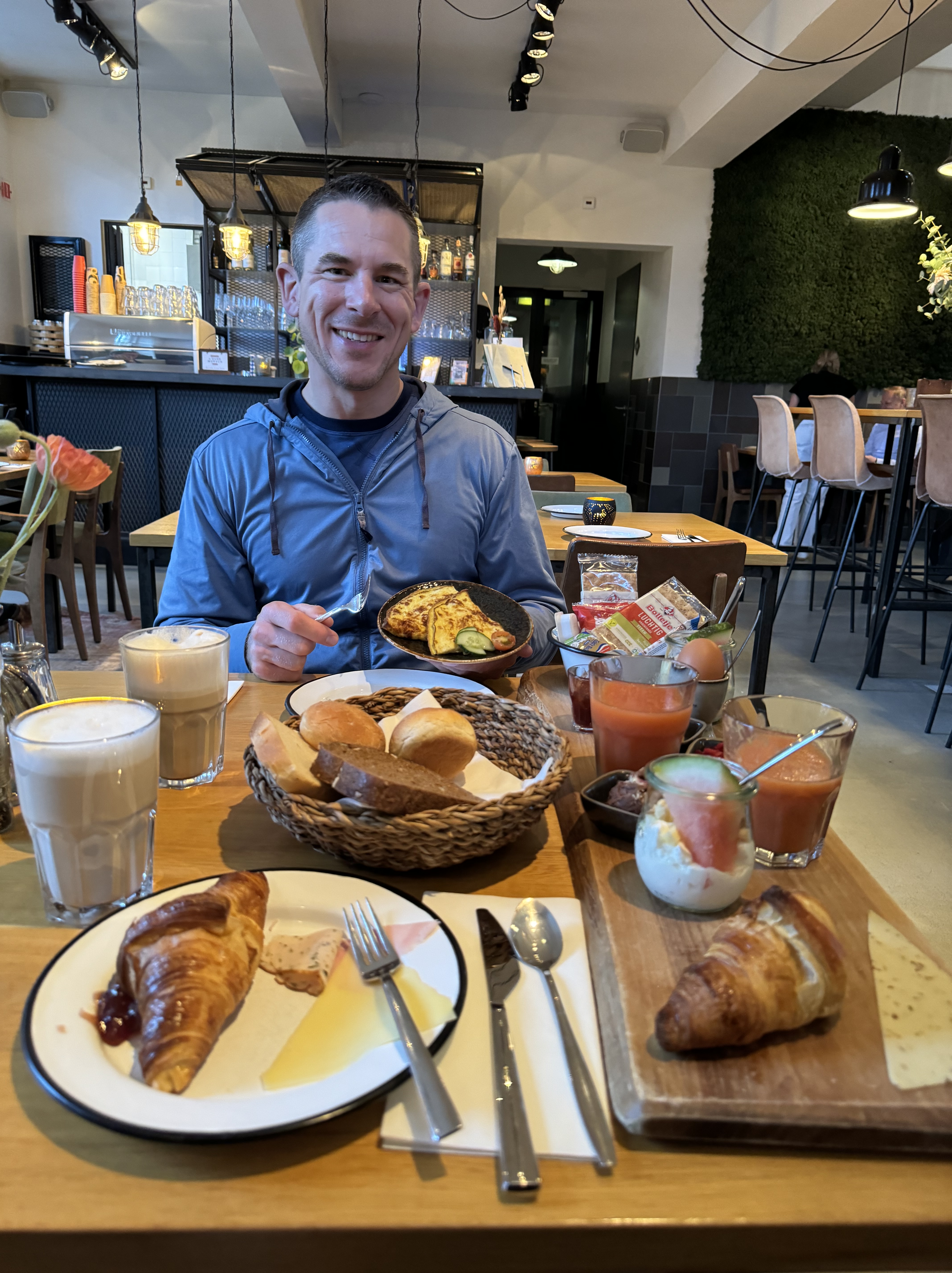
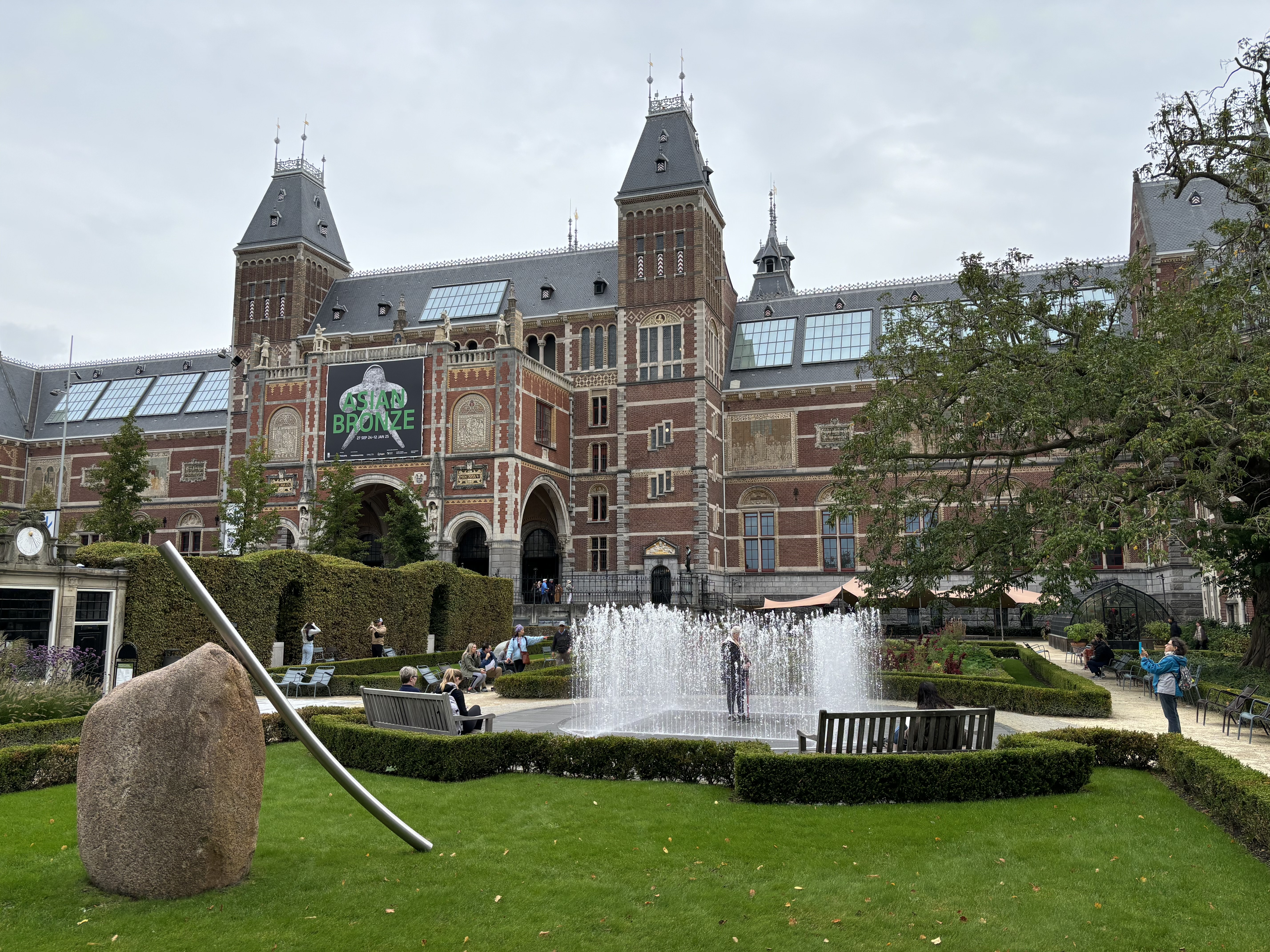
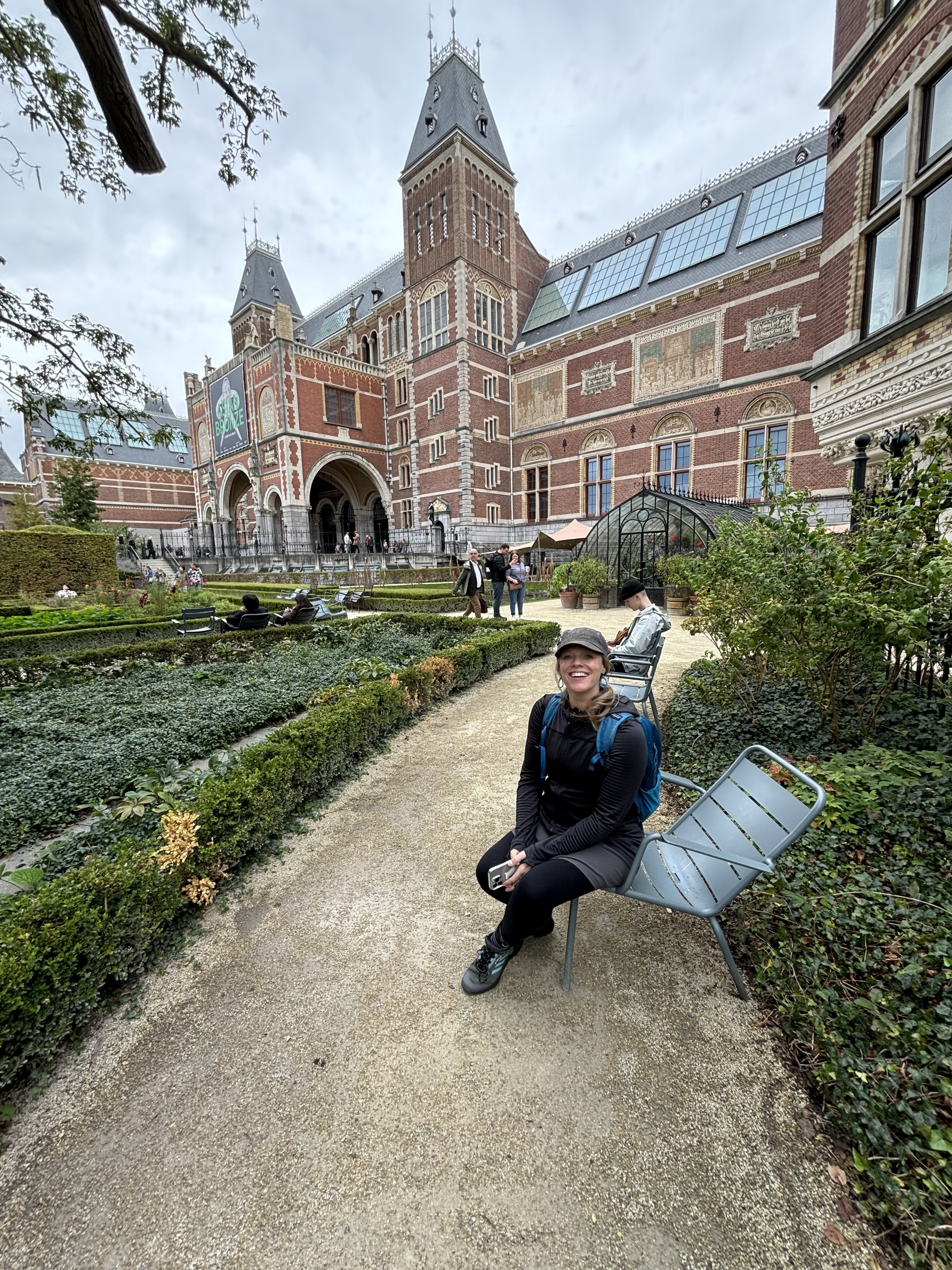
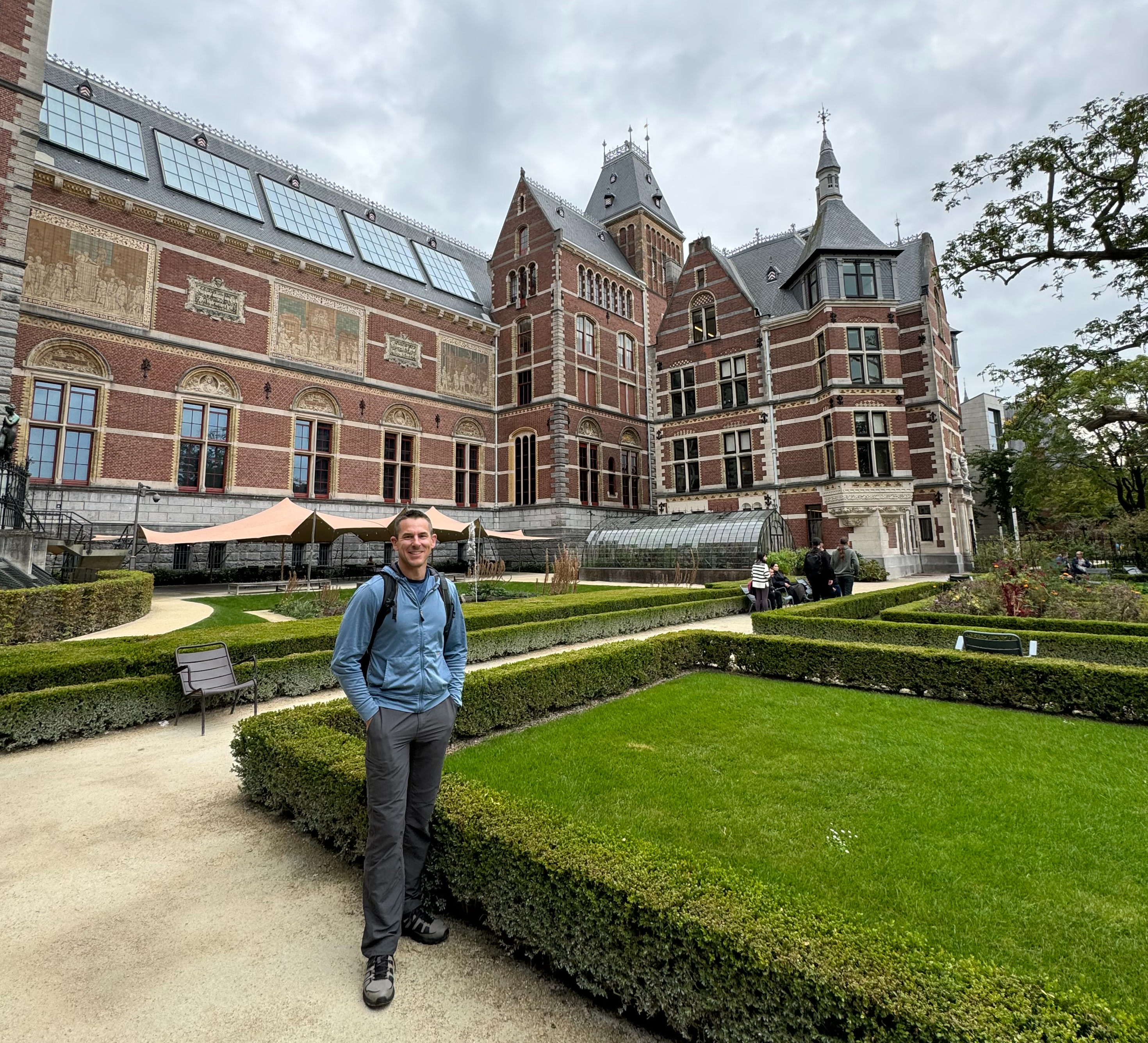
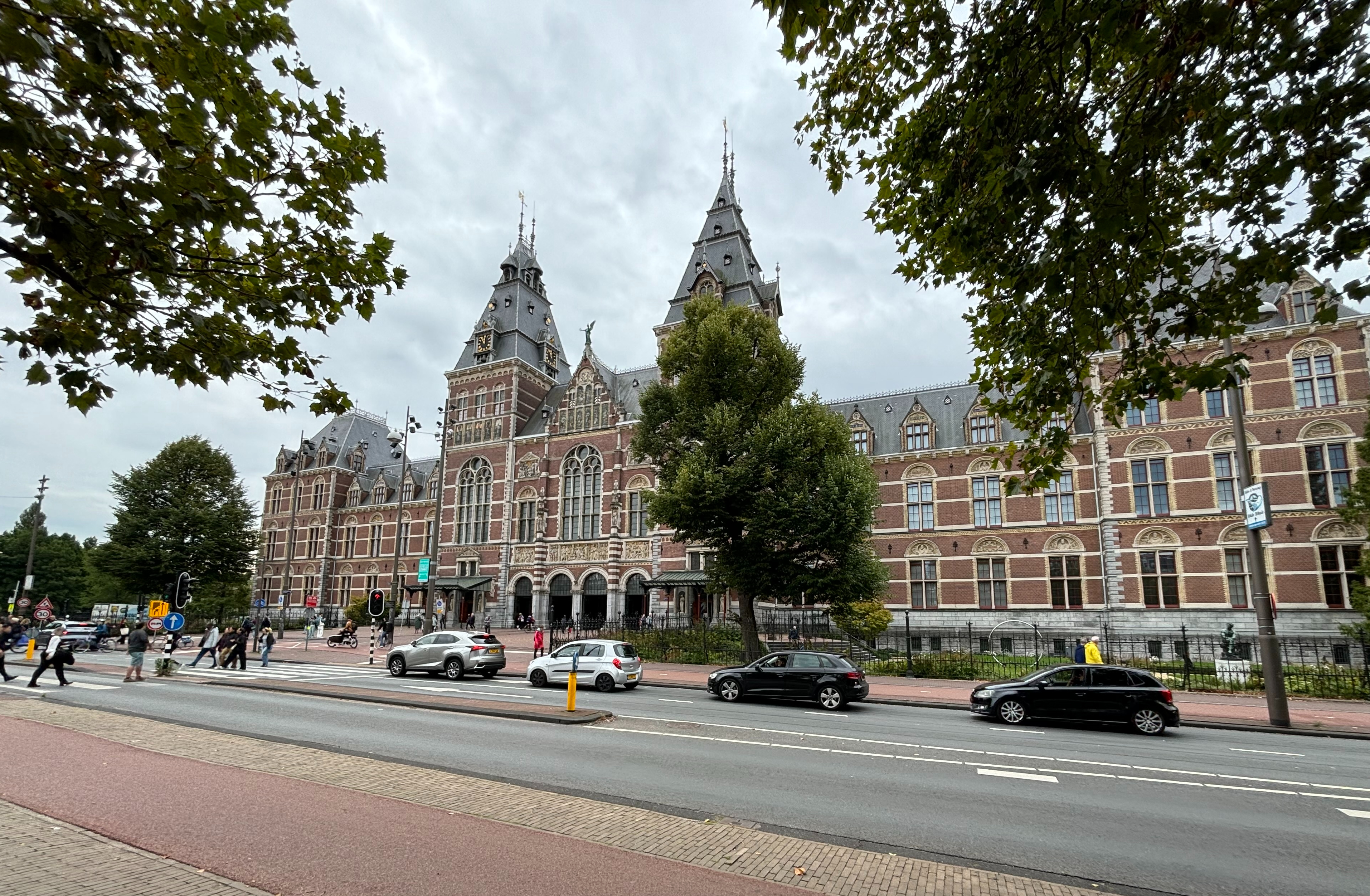
Our second day on the back end in Leiden began with a hearty breakfast board. We dined on omelets, parfaits, croissants, and more lattes with stroopwafels. Following breakfast, we walked back to Leiden Centraal to catch the train to Amsterdam. A brief ride brought us to Amsterdam Centraal where we hopped on the M2 subway to travel across town to the Rijksmuseum, the national museum of the Netherlands, which mirrors the architecture of Amsterdam Centraal. The surrounding park was blocked off and torn up for construction. Given the age of many iconic locations in Europe, it’s not uncommon to see scaffolding, cranes, or other forms of construction. We walked around the gardens and worked our way toward a canal where we stopped at the jammed packed Zero Zero sandwich shop before our canal tour.
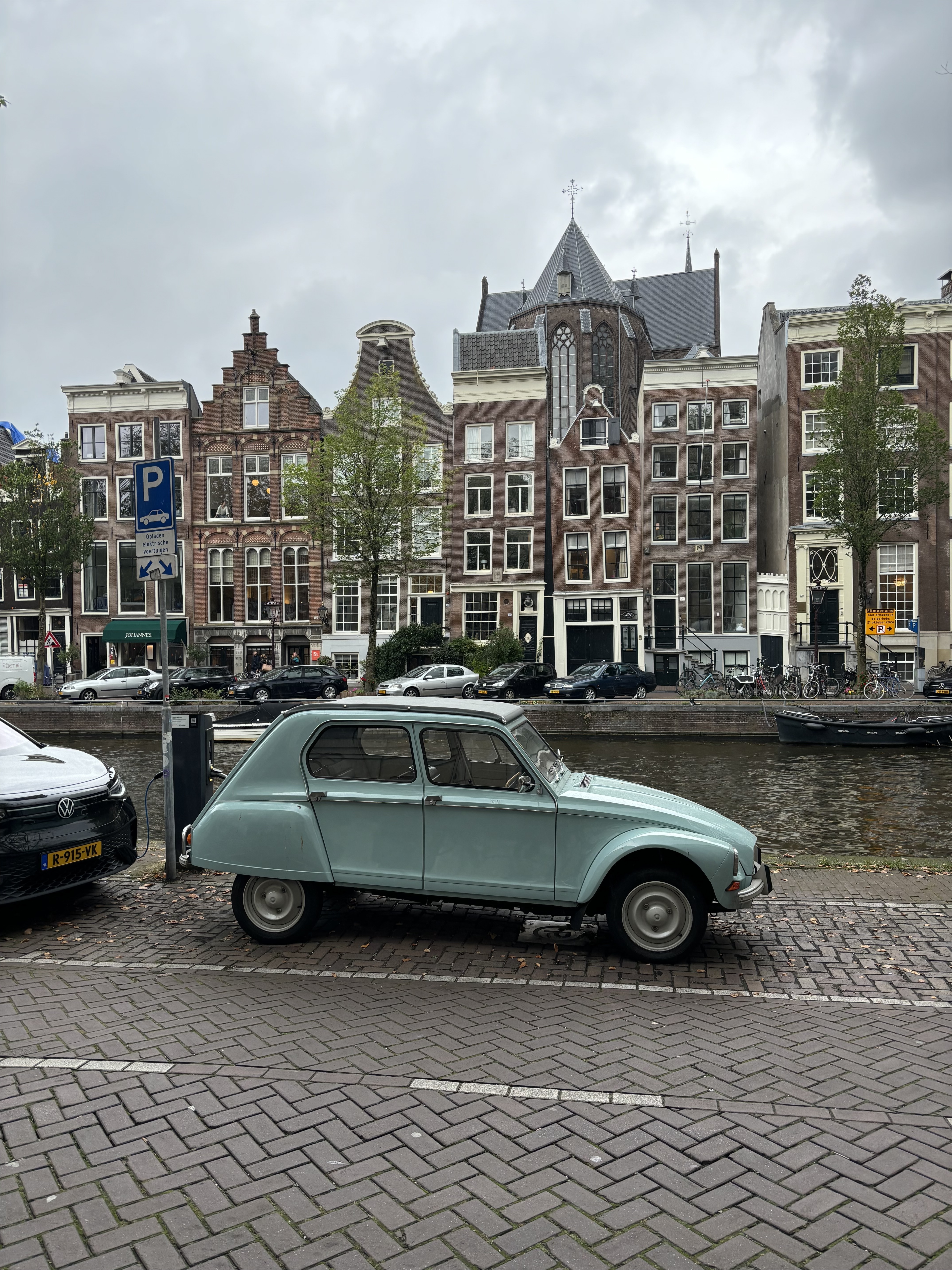

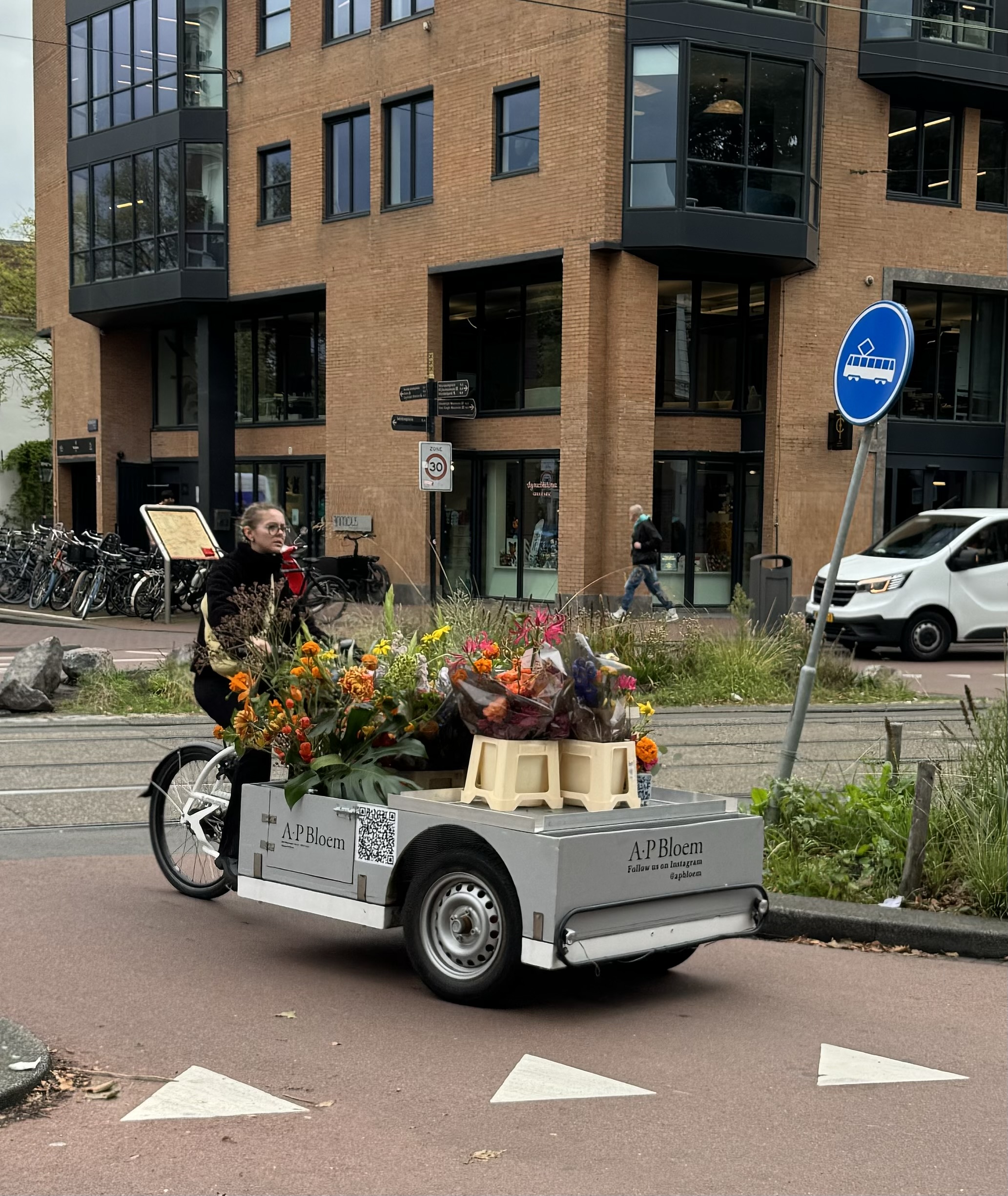
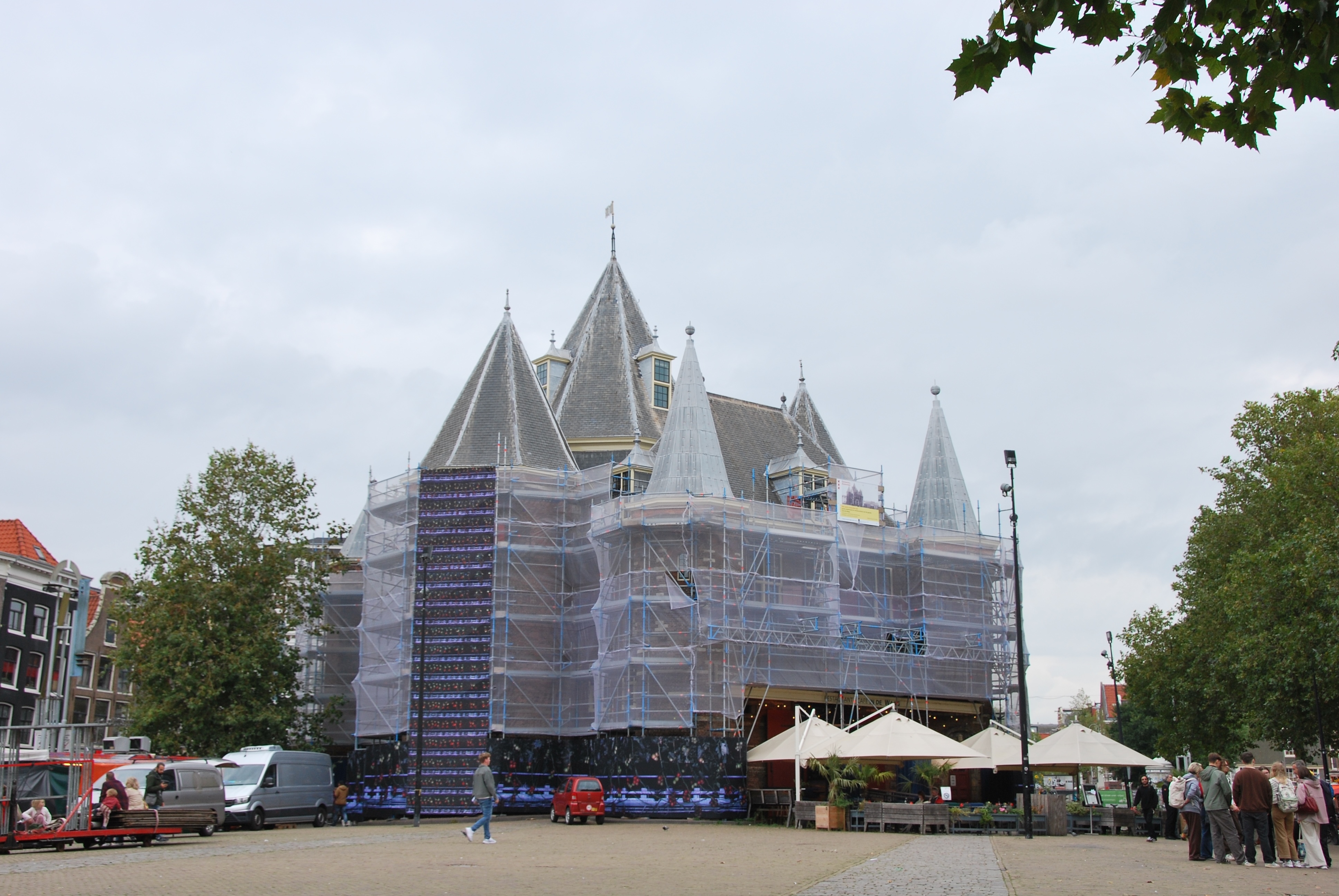
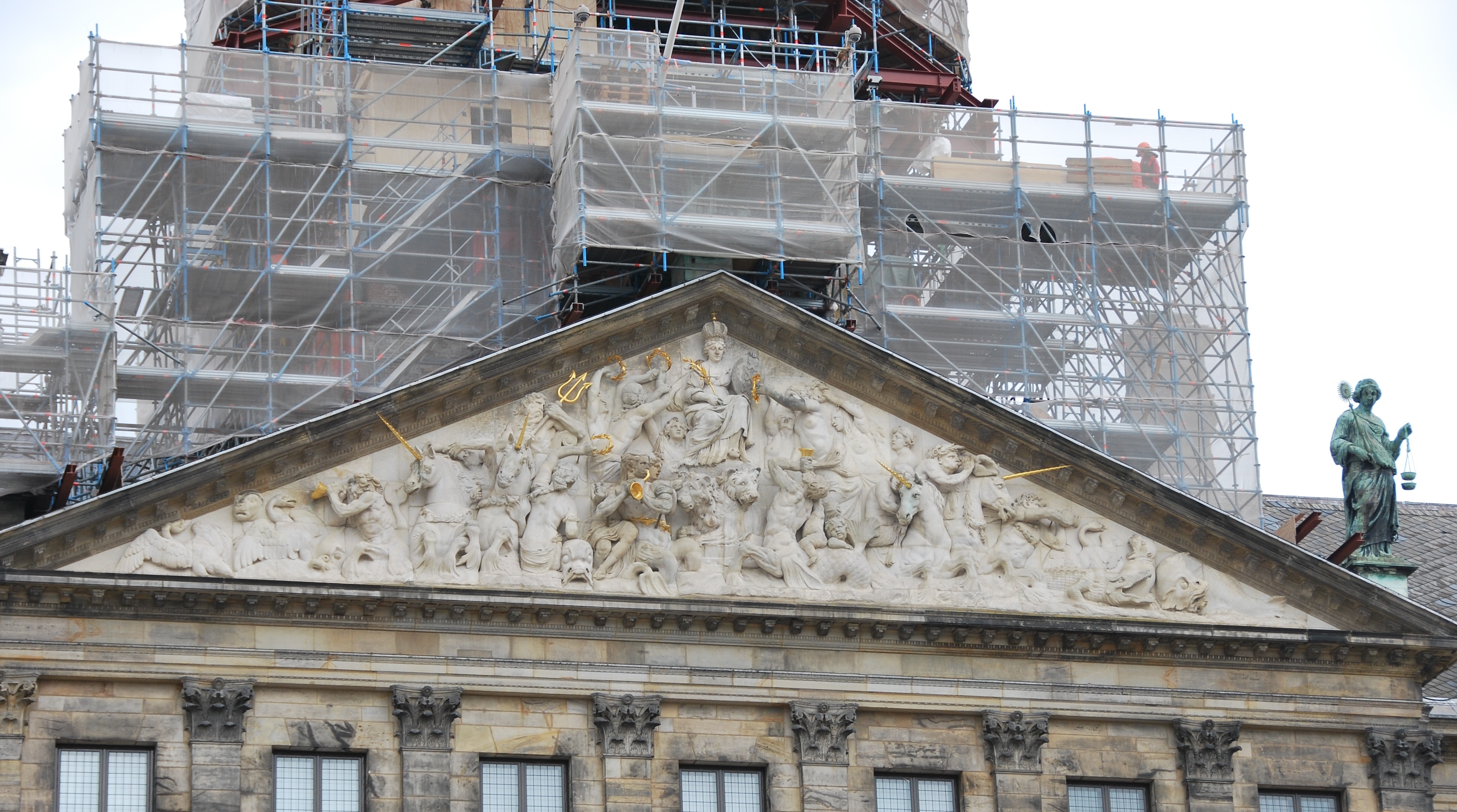
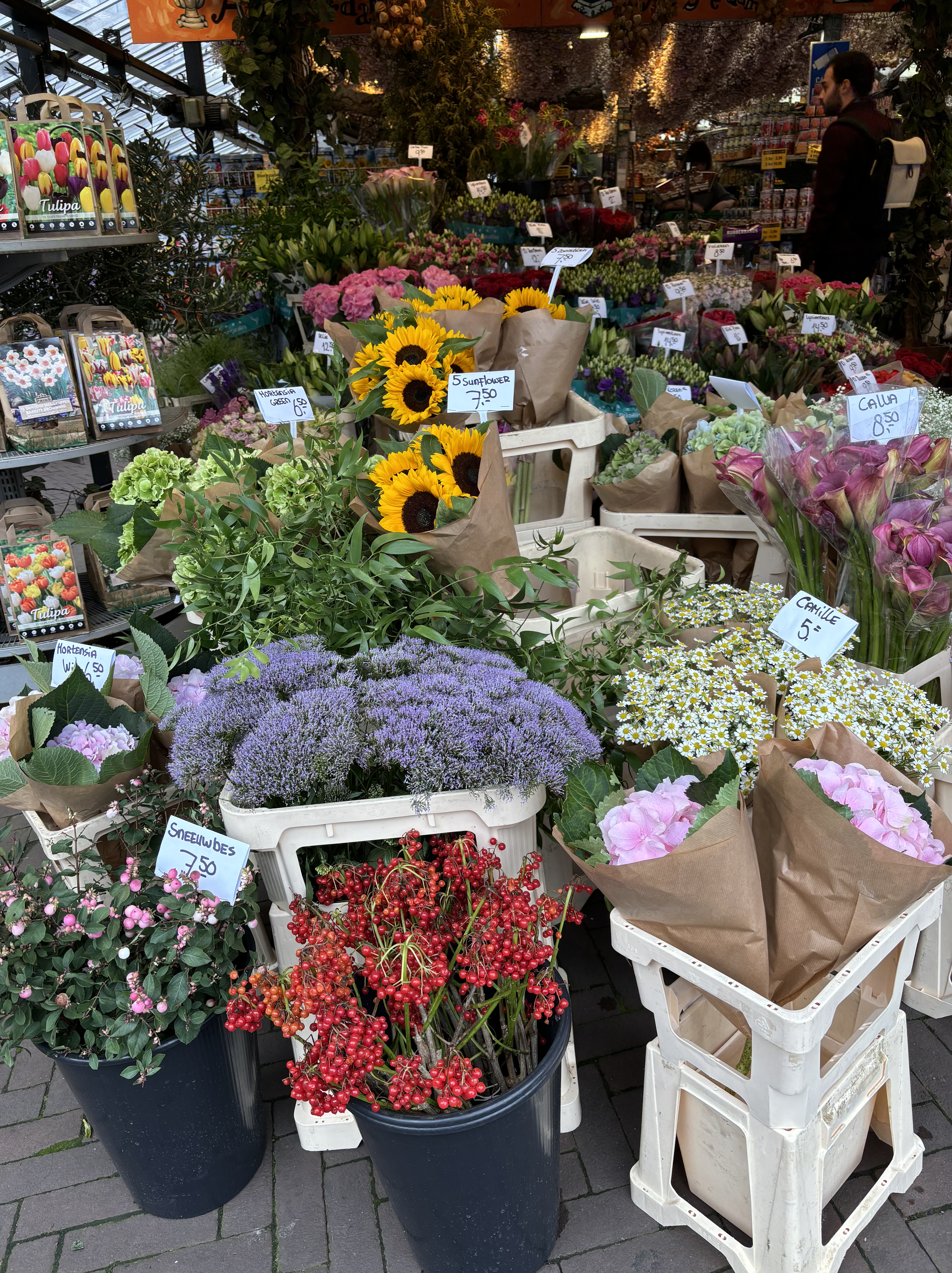
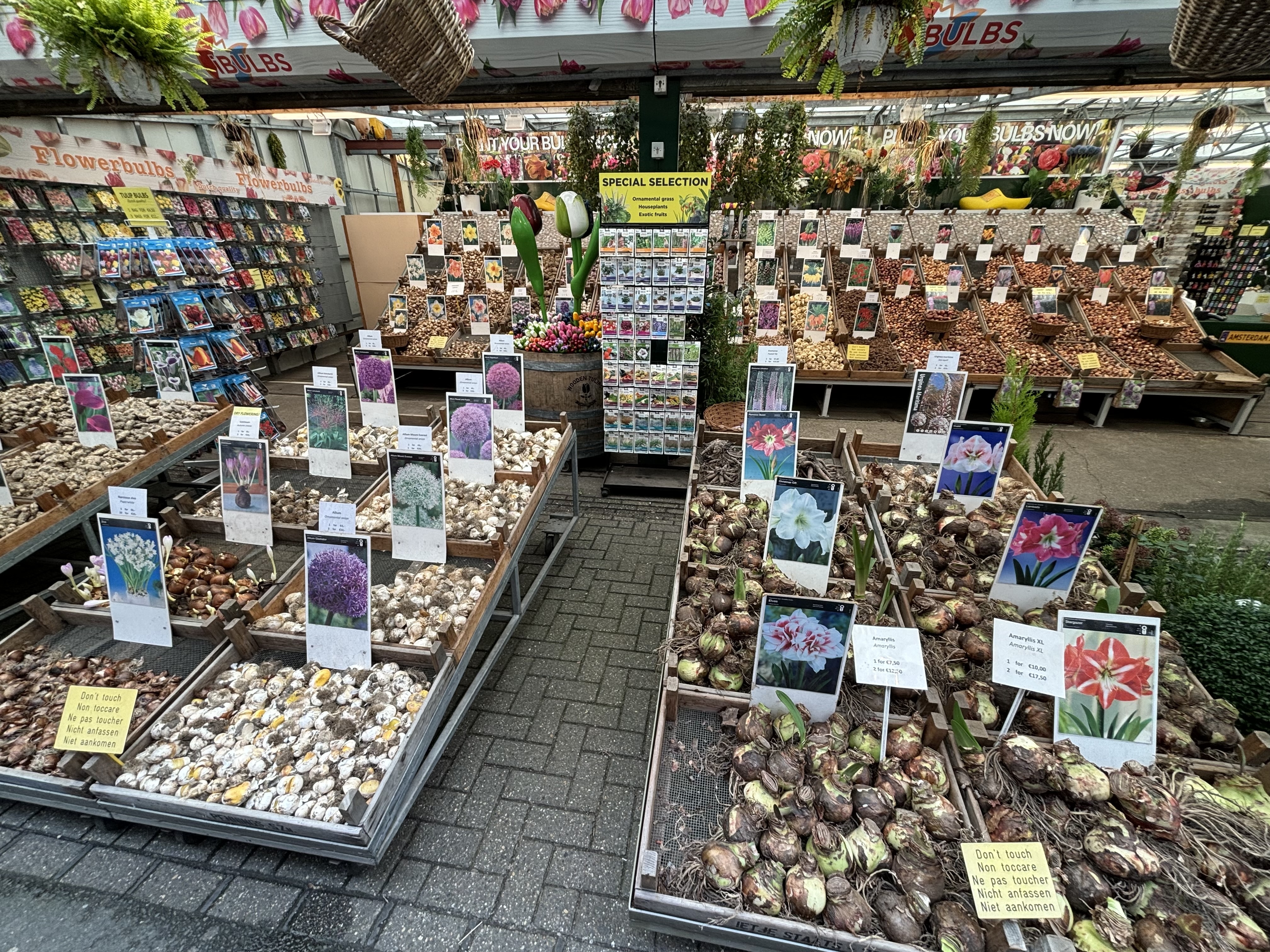
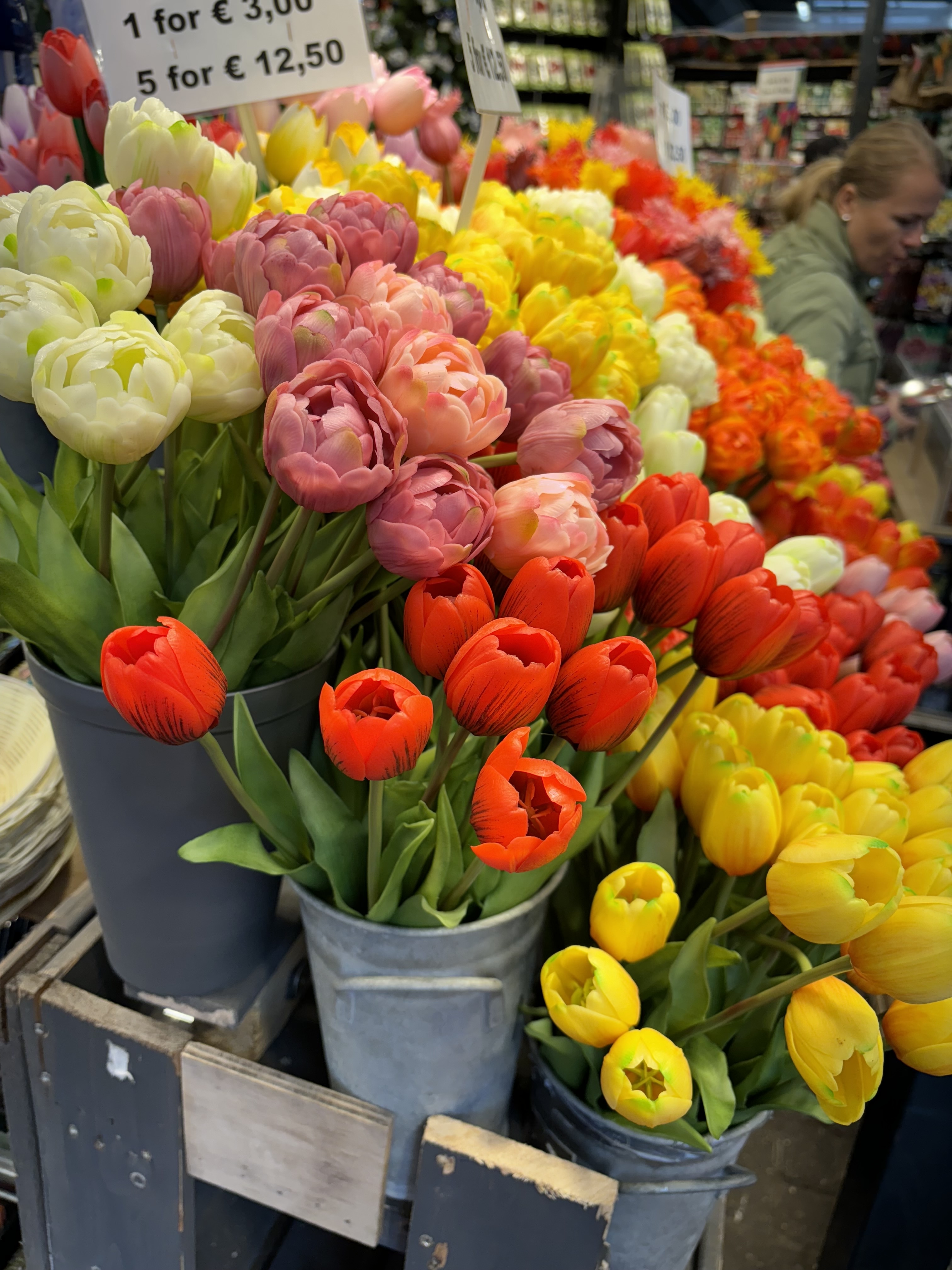
The Royal Palace Amsterdam was impressive in size but covered in scaffolding. The waag, a weighthouse with castle like turrets, that was initially a gated entry through the medieval city wall was also covered in scaffolding. The Munt Tower or Munttoren, also once part of the main gates along Amsterdam’s medieval city wall, was partially covered in scaffolding. The Munt Tower is near the Bloemenmarkt where flowers and tulip bulbs are sold, so a quick side trip was merited. The market was charming and colorful place without any scaffolding.
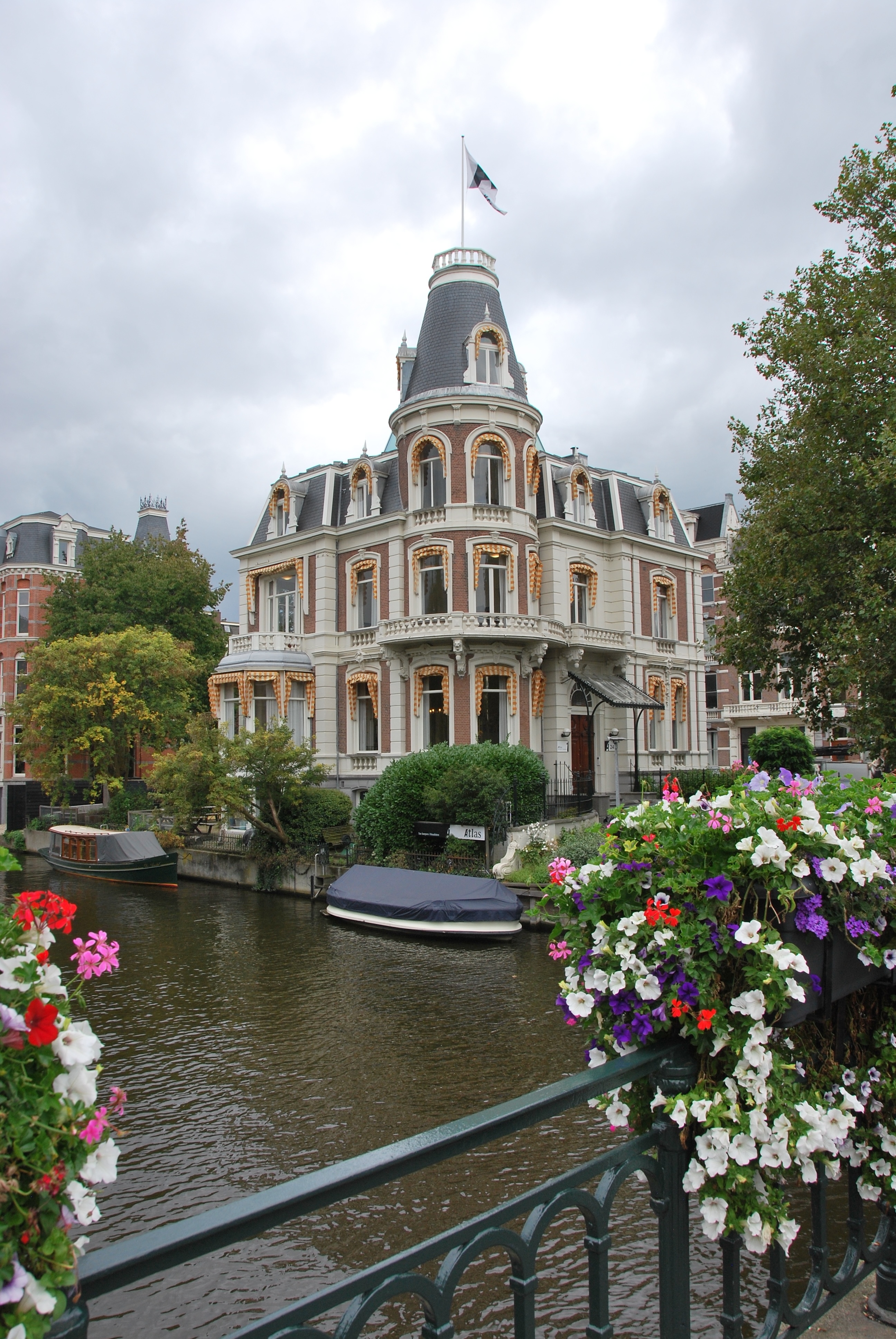
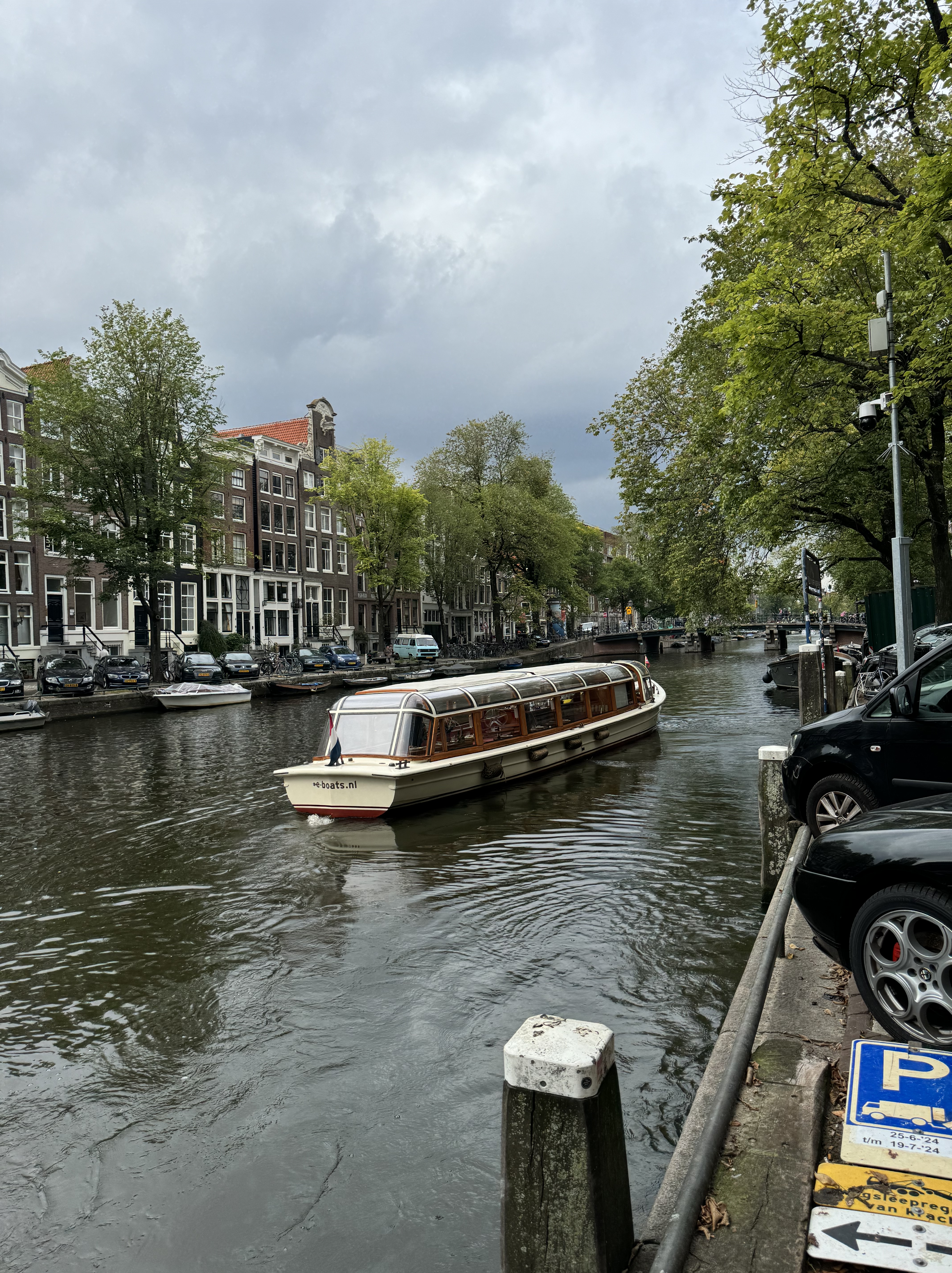
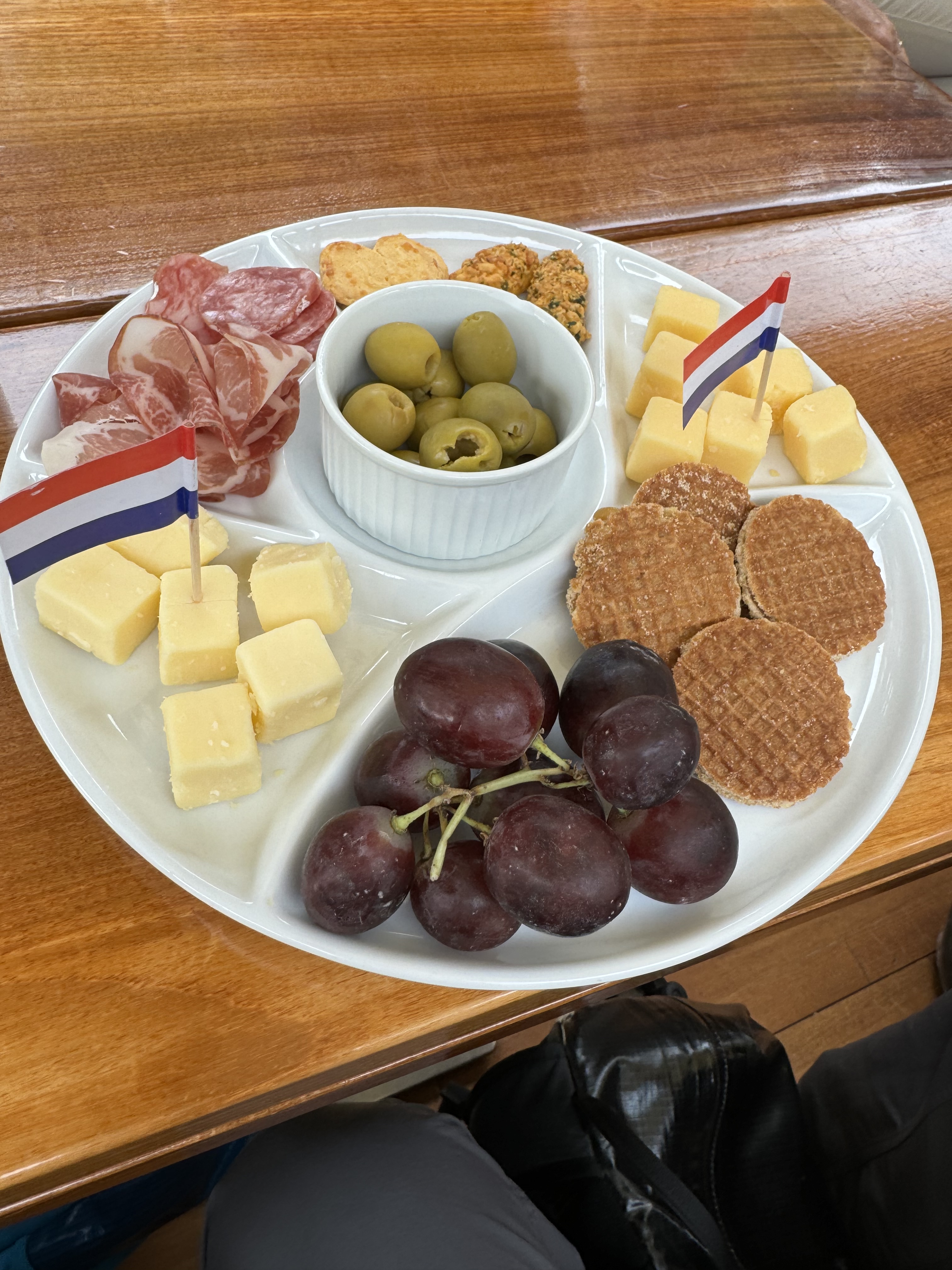
Our afternoon canal tour was on the Saloonsloep, one of the oldest tour boats on the canals, retrofitted and upgraded with a new electric motor to comply with Amsterdam’s environmental regulations. This was the craft the Beatles cruised through Amsterdam’s canals on June 6, 1964 causing pandemonium from a mass of excited fans. Amy initially scheduled an open boat tour, which allows for better views of the buildings and streets above the canals. However, the trip was consolidated to the closed boat. This was a disappointment at first, but it was rainy and they had charcuterie plates ready for the passengers. The tour guide was well versed on the canals and sights along the way. It was enjoyable to be on the water and take in some different aspects of the city.
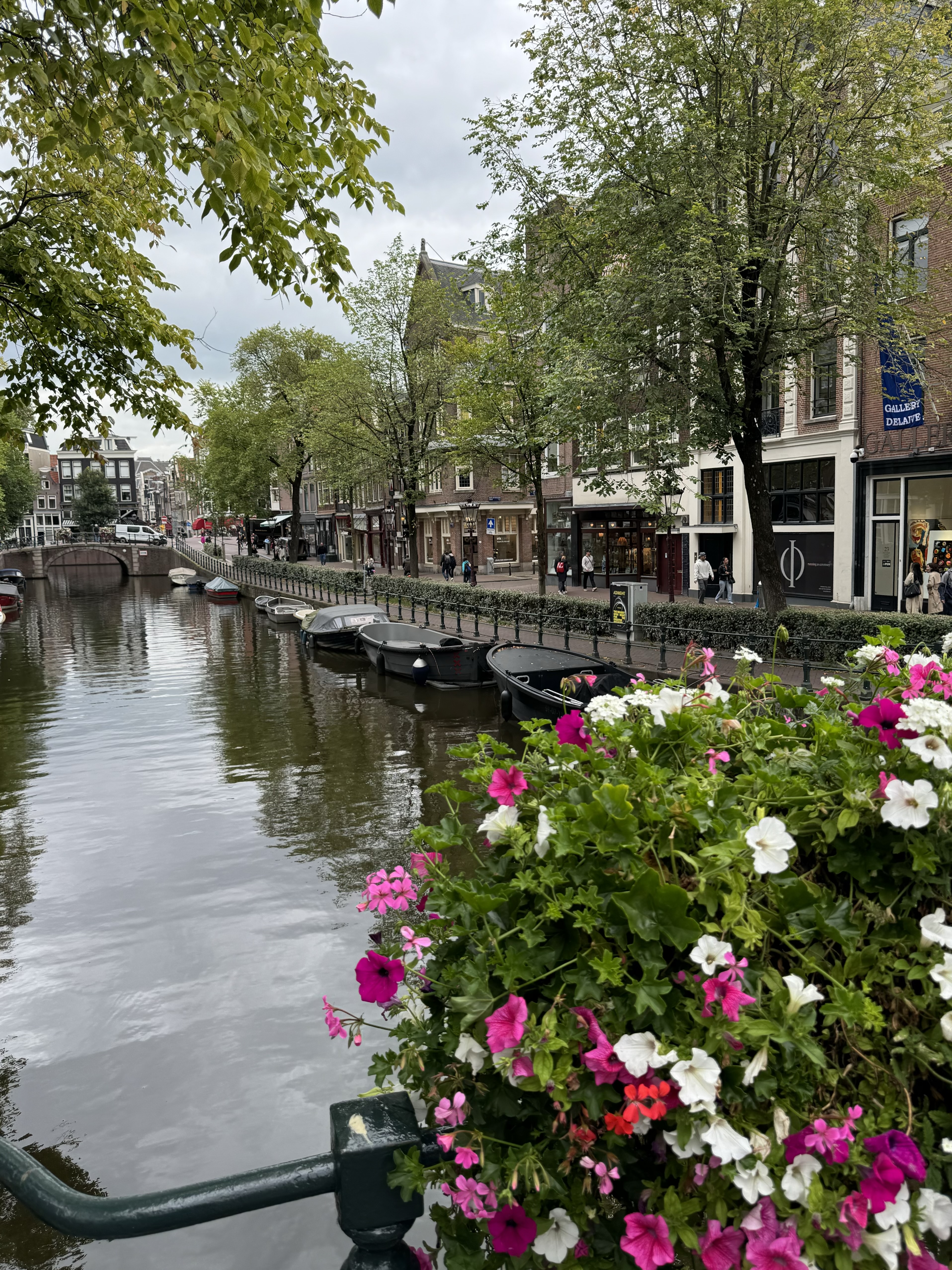
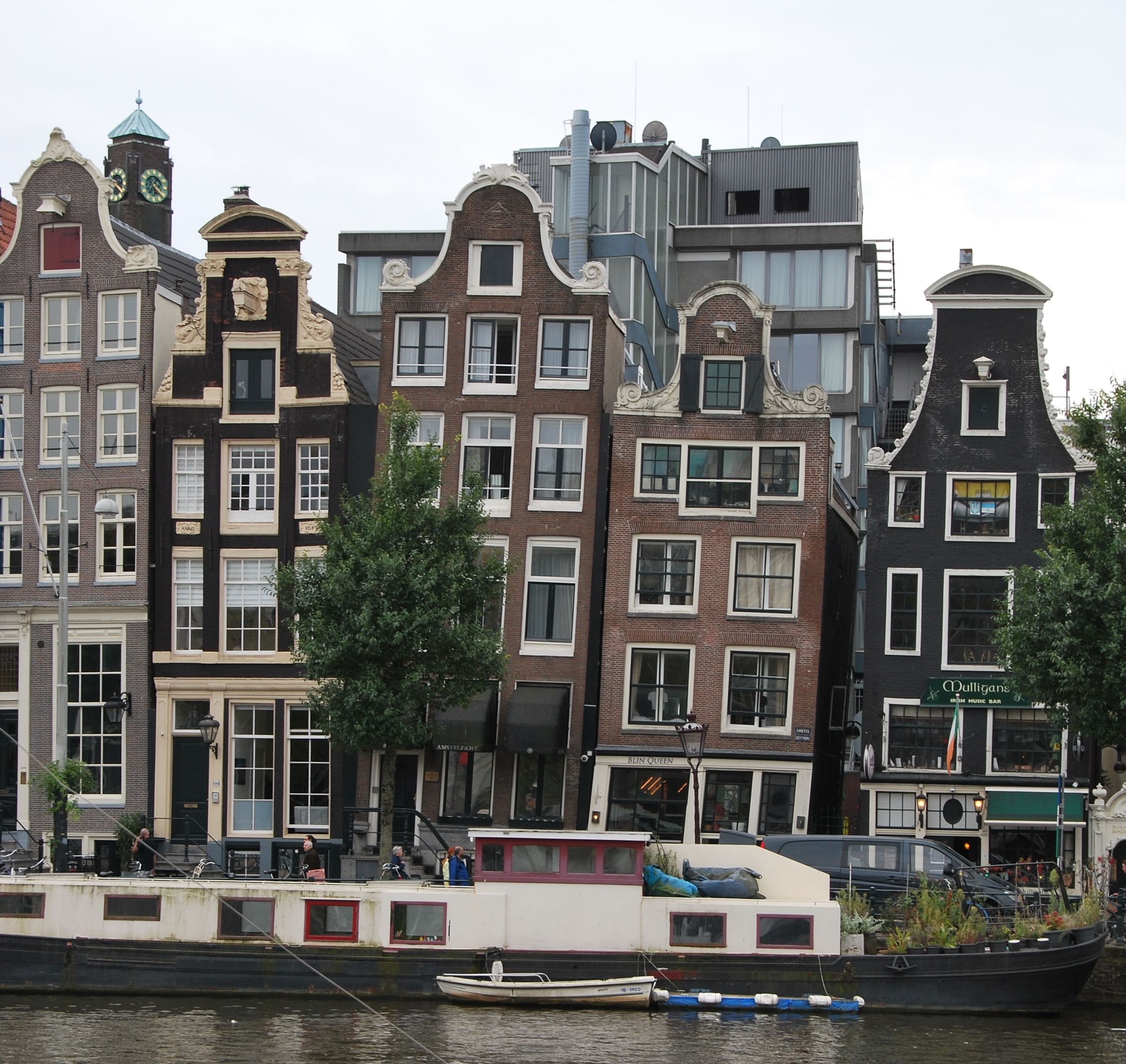
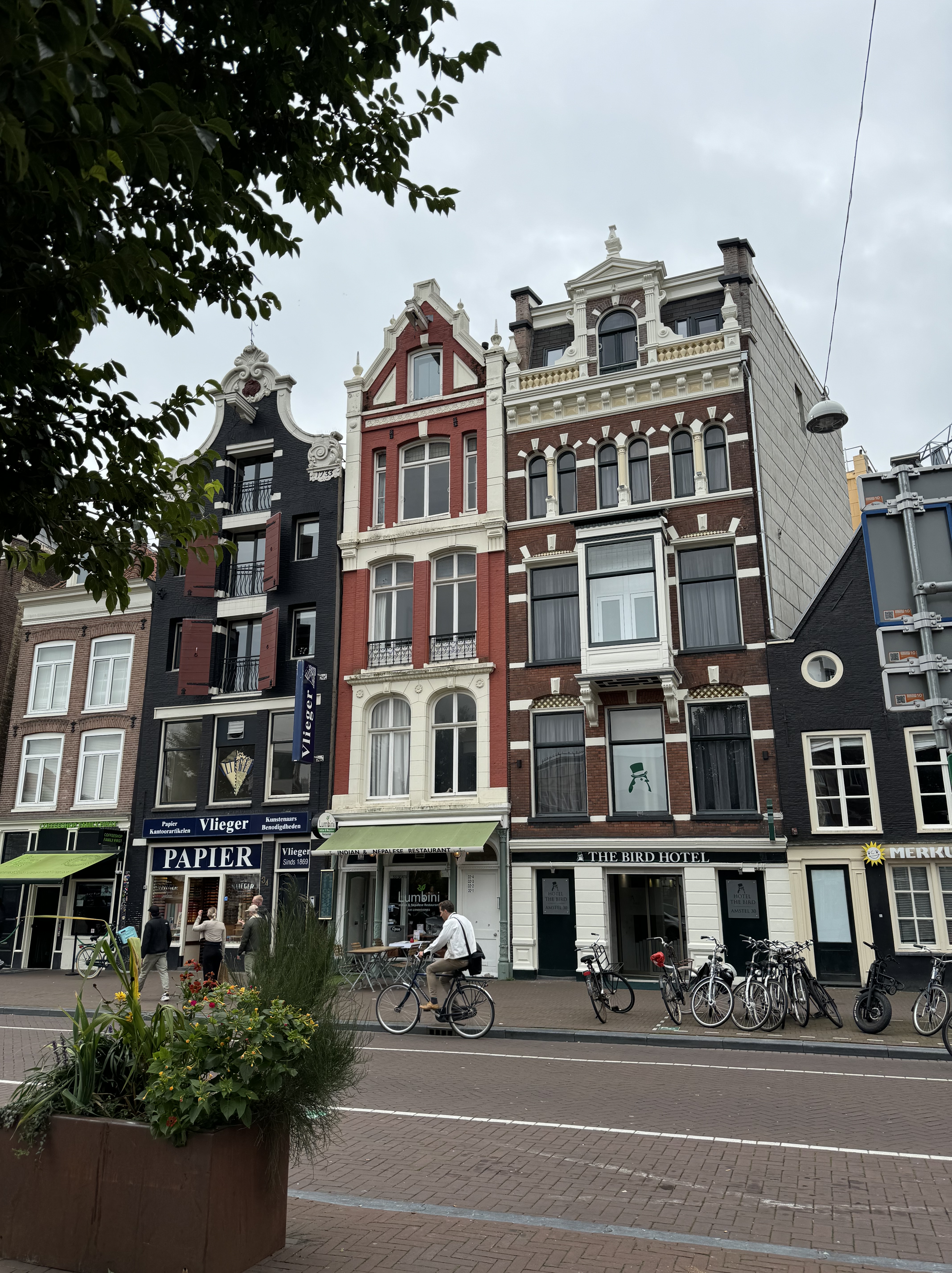
Following the canal tour, we visited the “drunken houses” also called the “dancing houses” which are named for their leaning together created by wood stilts causing foundational issues. We briskly strolled through the red light district. During the day, there isn’t much activity there. I have little doubt it’s quite different at night.

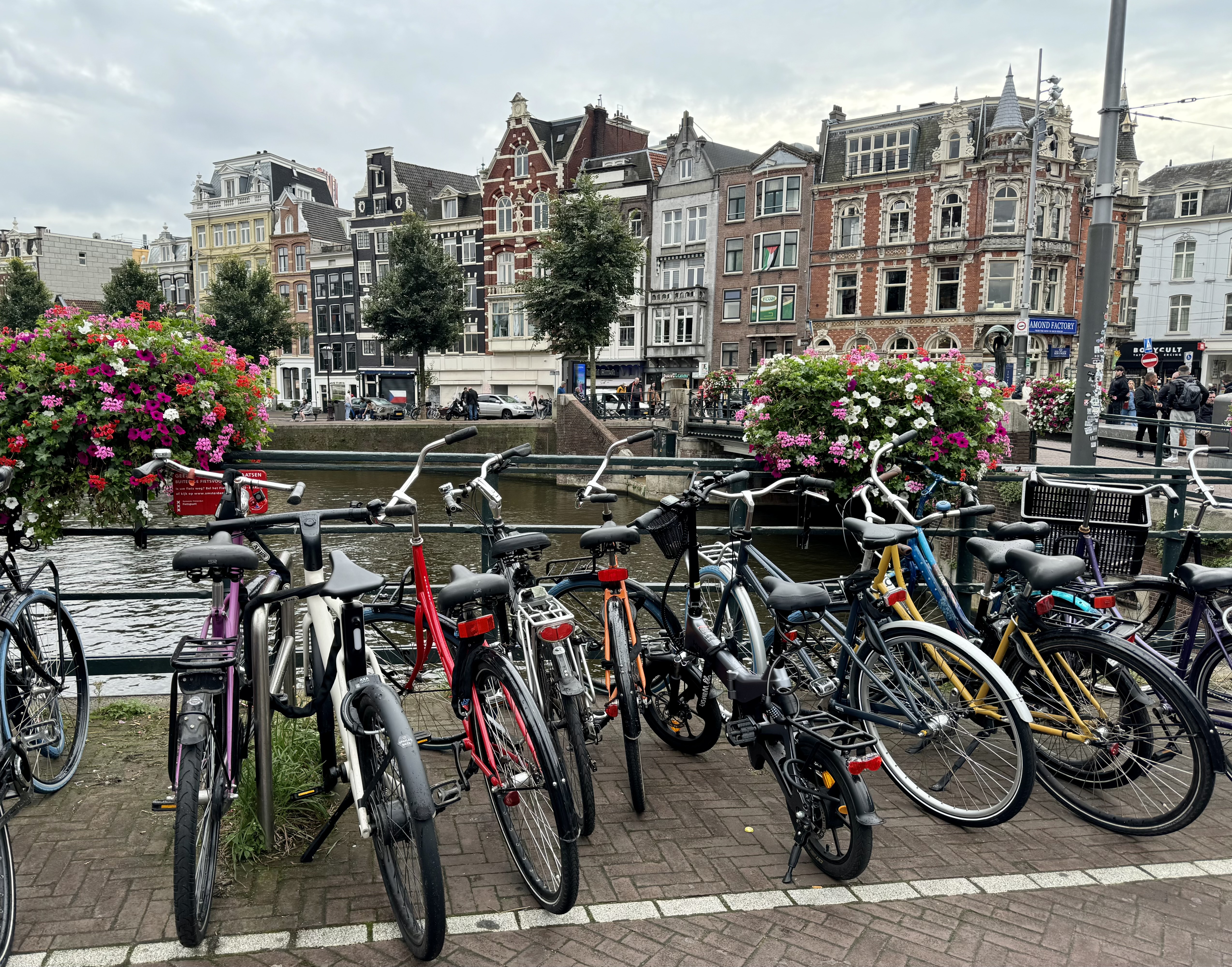
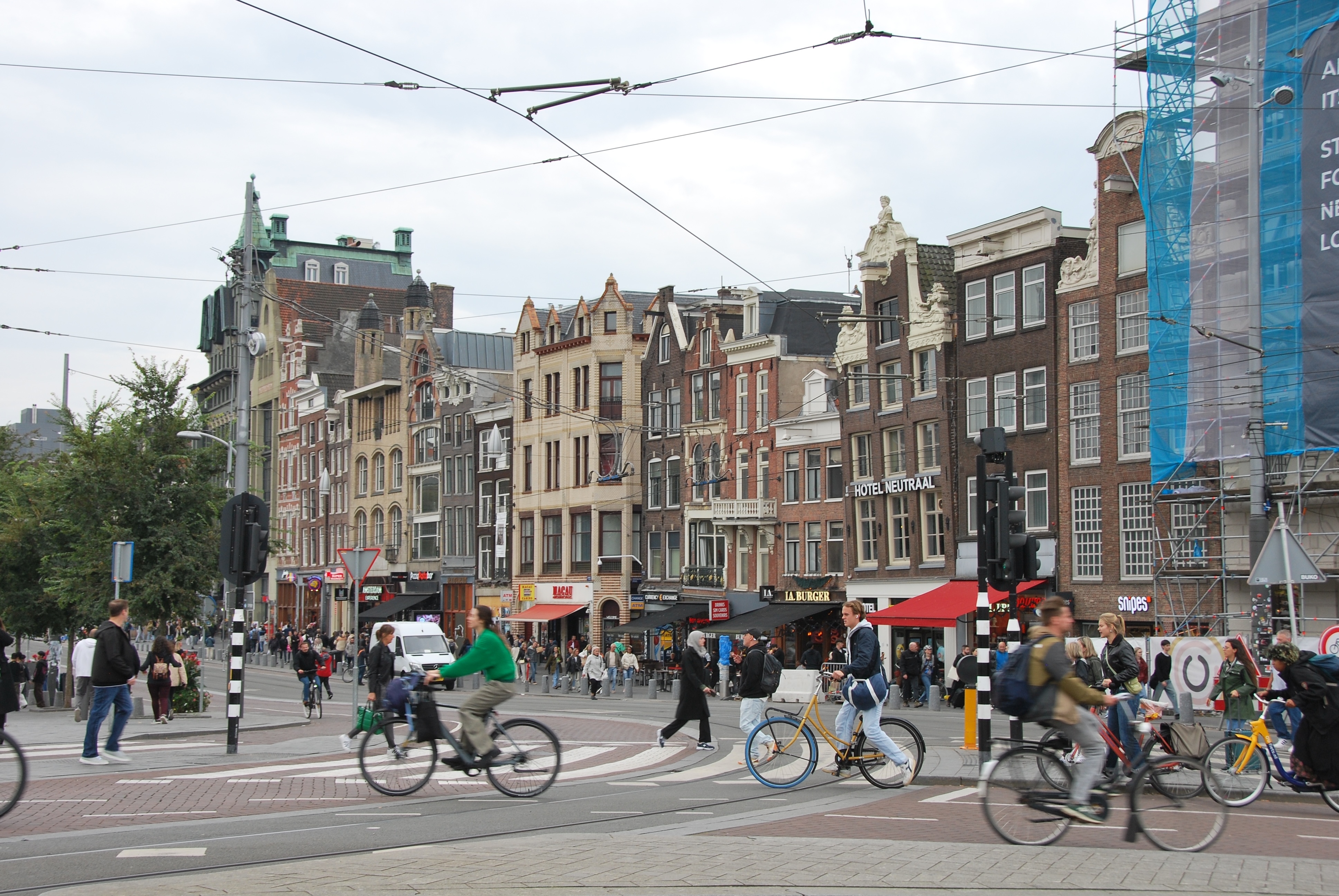
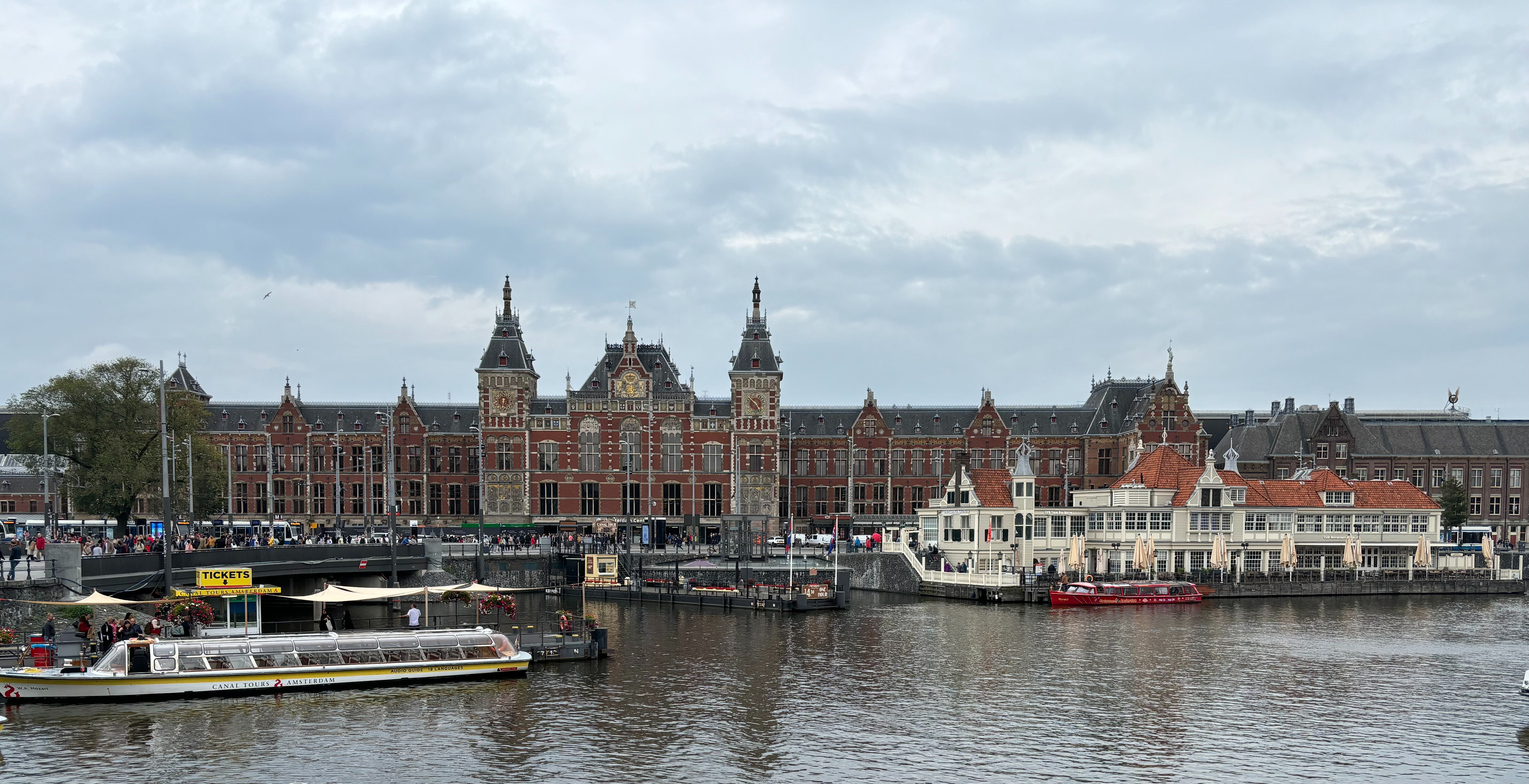
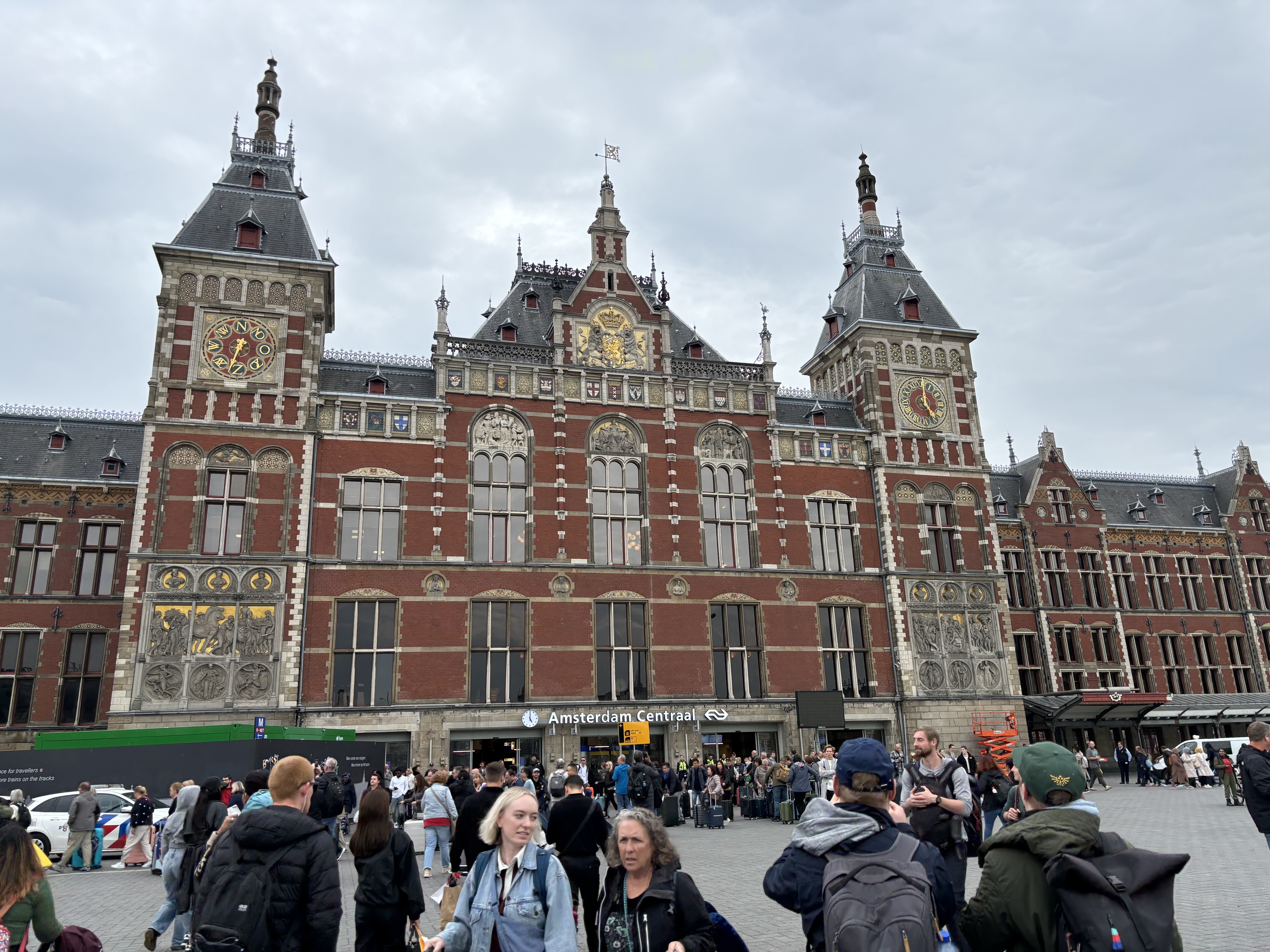
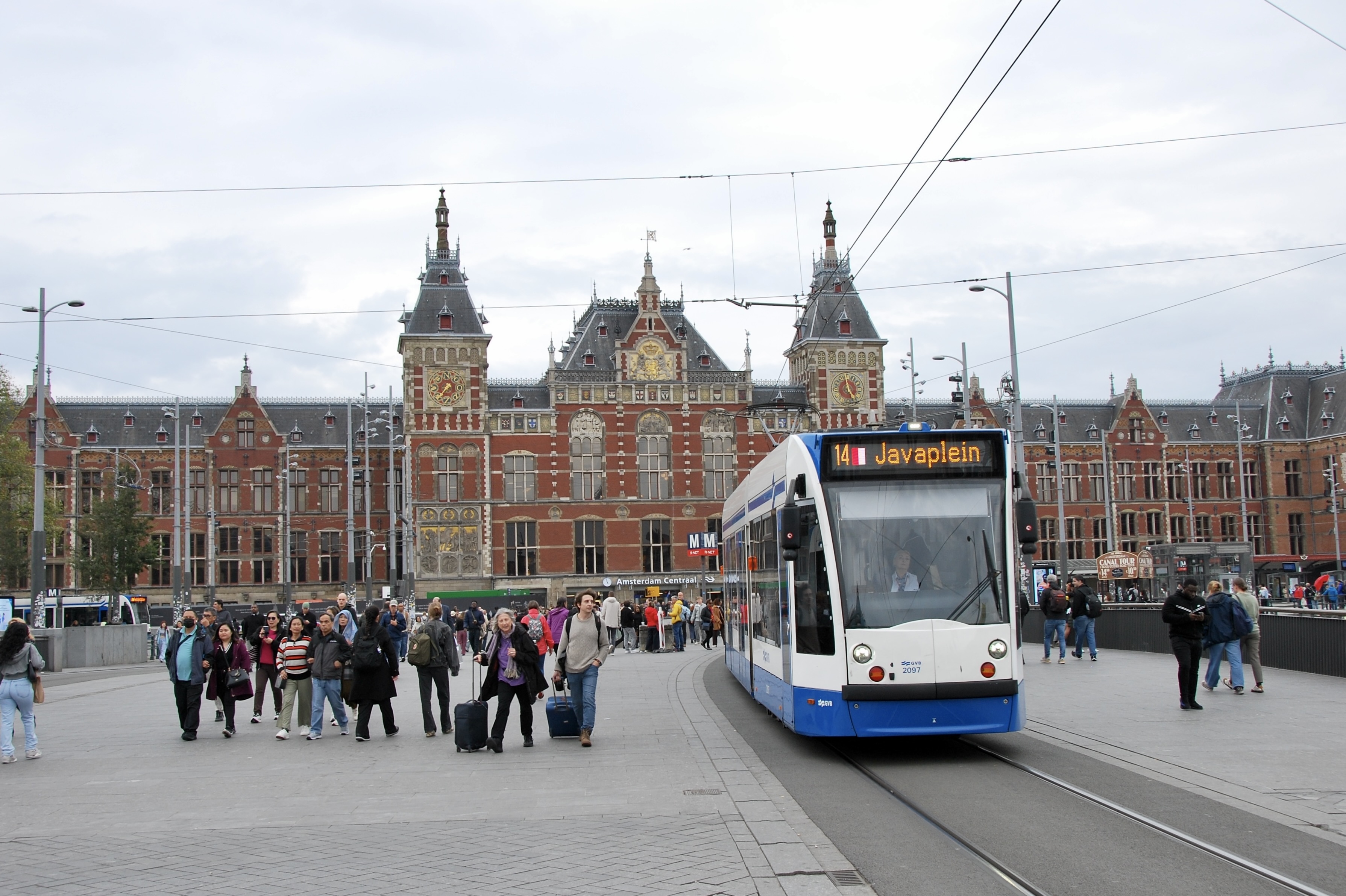
As evening approached, we walked charming side streets toward the Amsterdam Centraal Station. Having used the subway in the morning, it was great to see the impressive train station’s exterior during our walk. As mentioned, the architecture matches the Rijksmuseum, but on a much grander scale. Using the NS app, the official app of the Dutch railways, we easily found a suitable train to get back to Leiden.

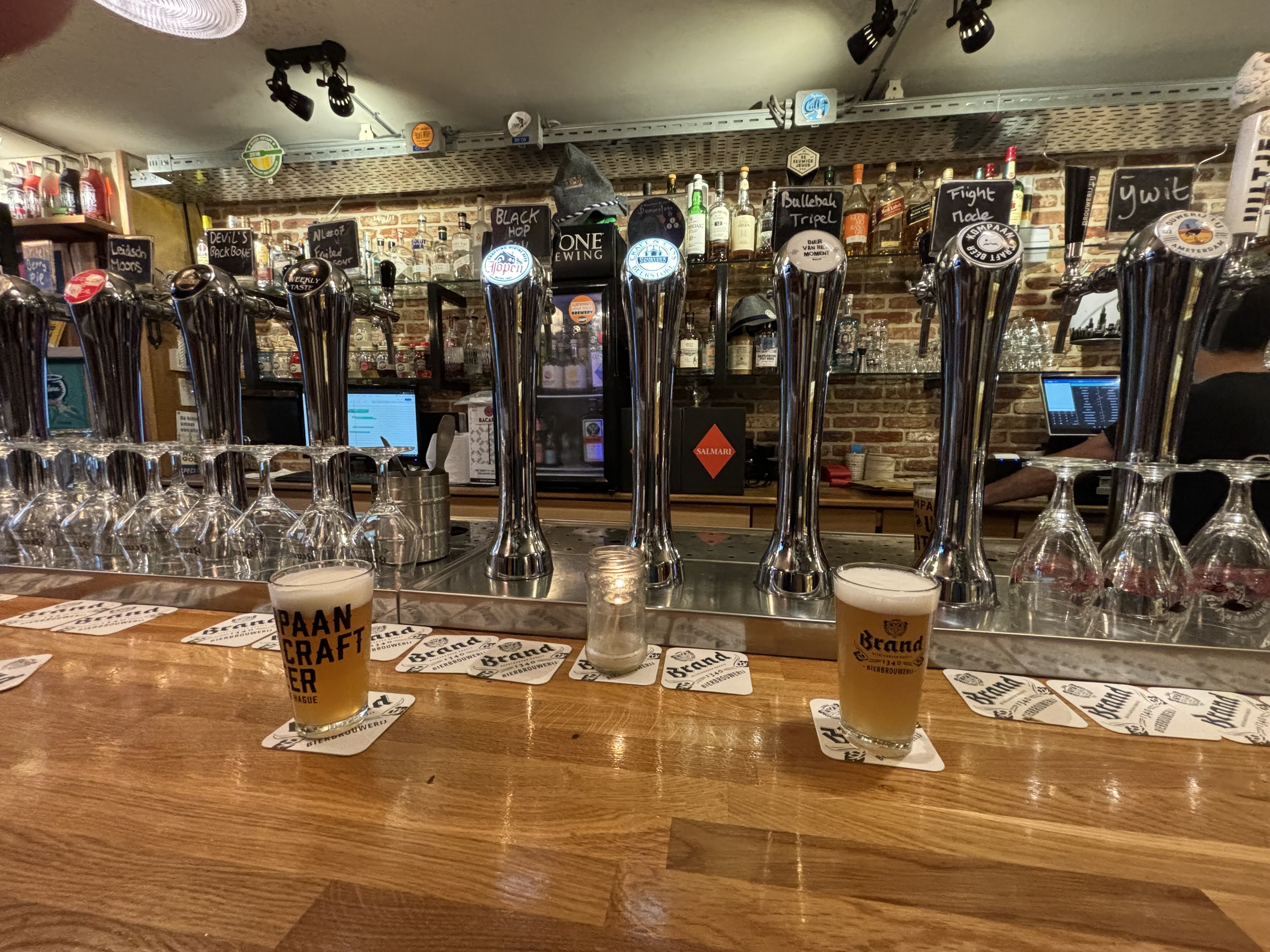
Having seen the Stadsbrouwhuis (a local brewery and tap house) in Leiden the previous day, we had a dinner and drink destination in mind. We sampled four different beers from the area and recapped our day. It was our final night before we had to hit the airport for our long trip back to the US.



(Dates: September 13-15 and September 24-26, 2024)


 journeyaj.com